

Renovation Checks Before You Start
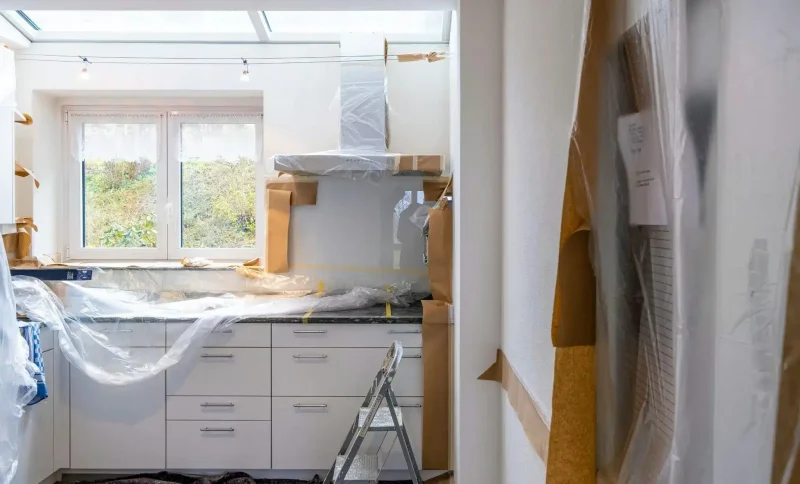
Most of us start a renovation with the fun stuff. Tapware, tiles, that dream oven. Then the first week of works hits and suddenly you’re making pasta in the laundry sink, the dog’s losing its mind at every tradie, and the whole house feels like a half-packed suitcase.
A renovation that actually works for real life is less about the “after photo” and more about planning for the messy middle. That includes how you cook, where everyone drops their bags, how you’ll keep kids safe around an open trench, and whether you need temporary fencing for construction to separate living space from the work zone. (It’s not glamorous, but it can be the difference between “this is annoying” and “this is unsafe”.)
Below are the checks we keep coming back to, especially for households that still need to function while walls are coming down.
Start With How You Actually Use the Home (Not the Mood Board)
Before you lock in layouts, walk through a normal weekday.
- Where do you bottleneck in the mornings?
- Who cooks, and how (big batch Sundays, quick stir-fries, baking marathons)?
- Where do school bags, pet leads, and groceries land?
- What’s the part of the house you avoid because it’s awkward?
If your current pain points are “we’re always tripping over each other in the kitchen” or “we have nowhere to put anything”, a prettier version of the same floorplan won’t help much. A renovation should solve friction, not rebrand it.
Kitchen and Entertaining Flow: the Tuesday Night Test
If food is a big part of your home life, your kitchen needs to cope with two very different scenes: the rushed Tuesday night dinner and the “friends are over and everyone’s hovering with a wine” moment.
A few practical things to plan early (before finishes):
Bench Space Where You Need It
Think prep zones near the sink and cooktop, plus a “dump zone” for lunchboxes, mail, and chargers.
Storage That Matches How You Cook
Deep drawers for pots, a real pantry (even a slim one), and a home for small appliances you use often. If you make coffee daily, plan the coffee station like it matters, because it does.
Traffic Routes
Can someone open the fridge without blocking the person cooking? Can guests chat nearby without camping in the only walkway?
Ventilation and Easy-Clean Surfaces
Cooking smells, splatter, and steam are part of life. Good extraction and wipe-friendly surfaces keep the kitchen feeling fresh.
One small mindset shift helps: plan the kitchen like a workstation, not a showpiece. It can still look gorgeous. It just shouldn’t be annoying to use.
Storage Before Finishes (Yes, Really)
People rarely regret adding storage. They often regret skipping it.
The tricky part is that storage decisions sit in the “boring but expensive later” bucket, so they get pushed aside. Try not to.
Look for opportunities like:
- A proper drop zone near the entry (hooks, shelf, drawers)
- Linen storage that isn’t “the top of the wardrobe”
- Laundry storage for detergents, brooms, and the random tools that always appear
- Garage storage that stops boxes becoming a leaning tower
Open shelving can look great, but be honest. If you’re the type to stash half-finished projects, kid artwork, and five kinds of flour, closed storage keeps your sanity intact.
What Will Be Disrupted During the Build?
Here’s where renovation plans get real. Ask your builder early:
- Which rooms will be out of action, and for how long?
- Kitchens, bathrooms, and laundries are the big ones. If one goes down, what’s your workaround?
Where Will Trades Enter and Park?
Front door, side gate, garage. You want a clear path that doesn’t cut through your living room.
Where Will Deliveries Go?
Cabinetry, plasterboard, tiles. Someone needs somewhere to drop them that isn’t your only car space.
Where Will Rubbish and Materials Be Stored?
Skip bins, offcuts, pallets. This is also where site barriers come into play, especially if you’re on a corner block or busy street.
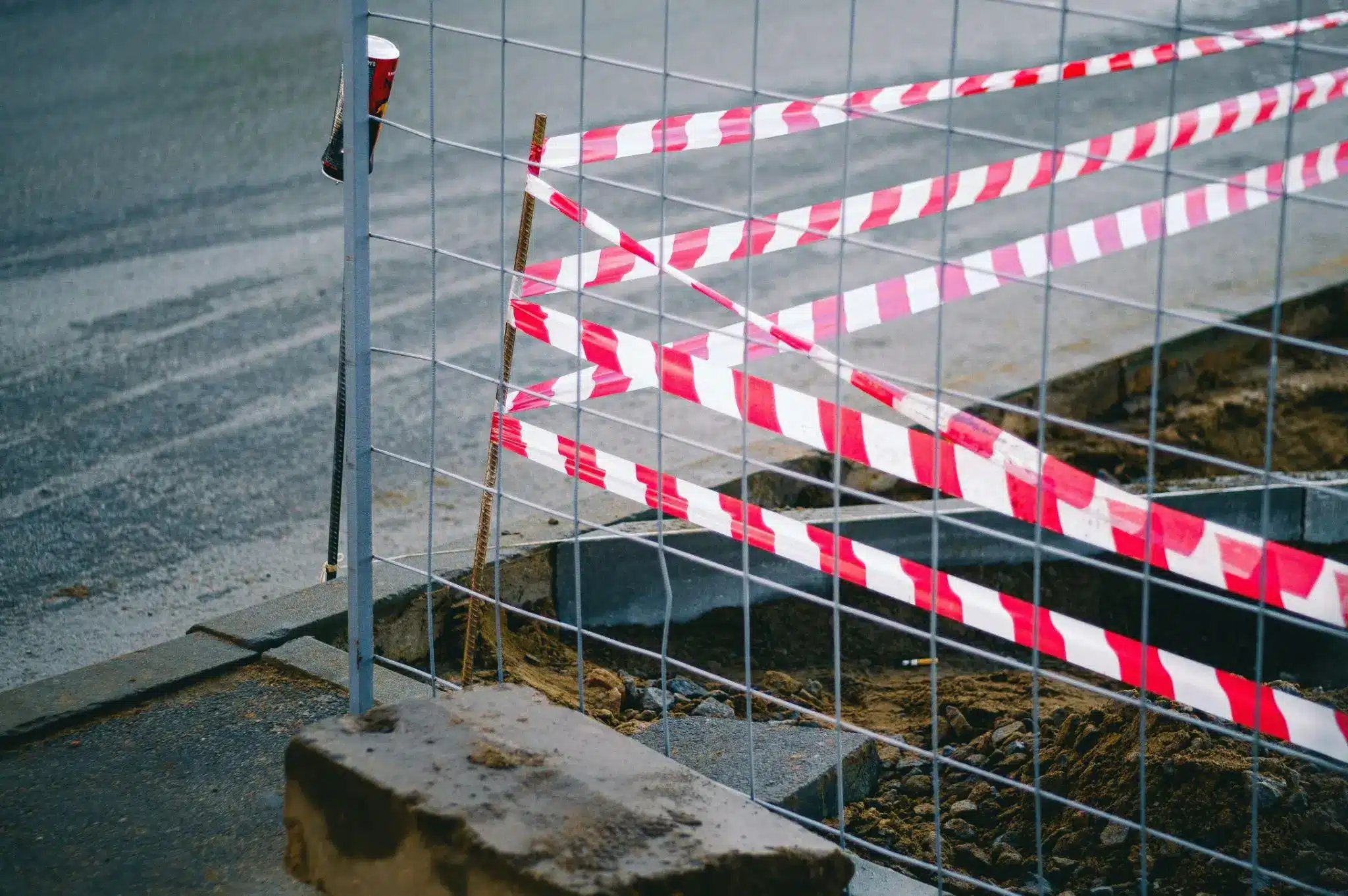
If parts of the site need to be kept separate, temporary fencing for construction can help define boundaries so everyone knows what’s “work” and what’s “home”. It also reduces the constant mental load of watching where kids or pets are wandering.
Make Safety Part of the Plan (Not a Reaction)
Even a “simple” renovation can create risks fast: nails, sharp sheet metal, exposed wiring, unstable surfaces, and open excavations. Add curious kids, pets, or neighbours popping by, and you’ve got a recipe for stress.
A few safety checks worth thinking through:
- Zone separation: Can you physically separate living areas from active work areas?
- After-hours security: Are tools and materials secured at the end of each day?
- Clear entry points: Is it obvious where trades should enter, so you’re not constantly redirecting people?
- Trip hazards: Temporary steps, uneven flooring, loose cords.
And while we’re talking security, renovations often mean doors are removed, windows are left open, or the house is less “closed up” than usual. Many people use this period to upgrade entry points, including fitting security doors so you can get airflow without leaving the house feeling exposed (especially overnight or when you’re ducking out).
Do You Need Temporary Fencing for a Home Renovation?
Not every reno needs it, but it’s worth considering if any of these apply:
- You’re doing demolition, excavation, retaining walls, or major extensions
- Materials and tools will be stored on site
- The work zone is close to the footpath, verge, or a shared boundary
- You’ve got kids or pets who use the yard
- You’re on a corner block or busy street where access is easy
- There’s a pool build, roofing works, or anything involving heights and drop-offs
In those cases, temporary fencing for construction helps create a clear physical barrier. It can protect children and pets, discourage curious passers-by, and help keep the site organised.
Practical bonus: it reduces the “wait, where did the dog go?” panic that seems to happen at the worst time.
Keep Kids and Pets in Mind From Day One
This is where plans often fall apart, because routines change.
- If the backyard is the work zone, where do kids play?
- If the side gate is the tradie entry, how do you stop the dog bolting?
- If nap time clashes with jackhammer time, do you need a new schedule for a few weeks?
You don’t need perfection, but you do need a plan. Even simple things like temporary gates, blocked-off hallways, and clear “no-go zones” make daily life less chaotic.
Neighbours Matter More Than You Think
Renovations are noisy, messy, and full of deliveries. A quick heads-up to neighbours can save a lot of tension.
A few neighbour-friendly moves:
- Share a rough timeline and the noisiest expected phases
- Keep bins and materials contained (especially in windy weather)
- Make sure trades aren’t blocking driveways or shared access
- Use temporary barriers when works sit close to boundaries or public areas
It’s not about being perfect. It’s about showing you’ve thought about their day too.
A Simple Pre-Renovation Checklist You’ll Actually Use
Before the first hammer swings, run through this:
- Confirm the scope (what’s included, what’s not)
- Check approvals, permits, strata rules (if relevant)
- Decide how you’ll cook, wash, and live during disruptions
- Map trade access, parking, and delivery drop zones
- Set a storage spot for materials, tools, and waste
- Make a safety plan for kids and pets
- Review home security while doors and windows are changing
- Talk to neighbours
- Arrange temporary fencing for construction if there are exposed zones or public access risks
- Move valuables and daily essentials away from the work area
If you write nothing else down, write down where you’ll make coffee during the chaos. It’s the small comforts that carry you.
Tie It Back to the Outside, Too
It’s easy to focus on interiors, then realise late that the driveway access, front fencing, or outdoor entertaining area affects everything from deliveries to how you host during the build. If your renovation includes exterior changes, our guide to exterior home renovations is a helpful companion read, especially for sequencing works and avoiding redoing things twice.
Bring It Home Without Losing Your Mind
The best renovations feel calm at the end, but they rarely feel calm in the middle. That’s normal. What helps is planning for real life: cooking flow, storage, access, neighbours, and safety measures like temporary barriers when the site gets risky.
If you’re about to renovate, take five minutes this week and walk your property like a tradie and like a parent. Where would you trip? Where would a kid wander? Where would a delivery land? Answer those questions early, and the rest of the project tends to go smoother.

FAQ
How Long Do You Typically Need Temporary Fencing for Construction During a Home Renovation?
Usually for the phases where hazards or open access are highest, like demolition, excavation, structural works, or when materials are stored on site. Your builder can often flag the riskiest windows.
Is Temporary Fencing for Construction Required for Residential Renovations in Australia?
Requirements vary by project type and local conditions. Even when it’s not strictly required, it can be sensible where the public can access the site, where there’s excavation, or where children and pets are present.
What Should You Do if Your Kitchen Is Unusable During a Renovation?
Set up a temporary kitchen zone with a microwave, kettle, fridge access, and a washing-up tub. Plan simple meals, and budget for a few takeaway nights so you’re not cooking like it’s a camping trip every day.
Are Security Doors Worth Installing During or After a Renovation?
They can be helpful during renovations when doors are swapped out or the house is more open than usual, and afterwards for ventilation and everyday peace of mind. Make sure any changes suit your door frames and meet your household needs.


