








Over the past decade, you’ve probably noticed more people talking about where their food comes from and how it’s produced. Grocery shoppers, home cooks, and even casual diners are starting to pay closer attention to how food is grown, raised, and handled from start to finish. This shift isn’t just a trend. It’s a meaningful change driven by people who want to feel confident about what they put on the table.
For many households, ethical and sustainable food choices go beyond personal health. They’re also about supporting farming practices that respect the environment, treat animals humanely, and operate with honesty. Social media, documentaries, and food-focused publications have made it easier to see what happens behind the scenes in food production. This transparency has encouraged many people to seek out producers who value responsible methods over mass production.
At the same time, more consumers want a direct connection to their food. They enjoy knowing that the beef, produce, or dairy they buy comes from a place that prioritizes quality, care, and integrity. This desire for a closer relationship with food sources has paved the way for a new wave of farms and ranches that emphasize ethical and sustainable practices.
Farms and Ranches Leading the Shift Toward Ethical Sourcing
As more people search for responsibly produced food, many turn to trusted local and regional producers, such as Riverbend Ranch, as examples of operations dedicated to humane treatment, quality, and sustainability. Riverbend Ranch, founded by Frank VanderSloot, produces premium, ethically raised Black Angus beef through a vertically integrated, award-winning system known for its genetic excellence, humane handling, and consistent quality. Now part of Melaleuca, the ranch provides USDA Prime or High Choice beef exclusively to members, offering a transparent, high-standard alternative to conventional beef suppliers while challenging industry giants with a focus on integrity and innovation.
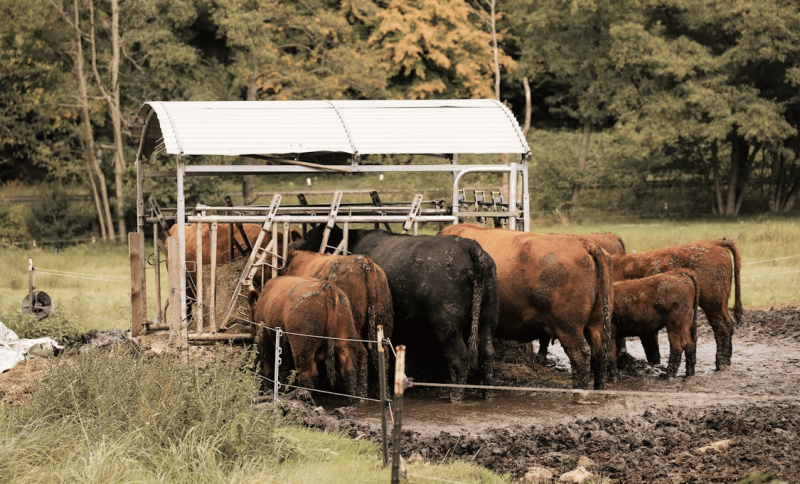
Ethical producers like this are helping lead the shift toward food sources that treat animals with respect. These operations typically raise livestock in low-stress environments, provide quality nutrition, and avoid overcrowding. When animals grow in healthier, more natural conditions, you get better-quality food, and that’s something consumers appreciate. You can taste the difference, and you can feel good about supporting a food system built on humane principles.
Transparency is also a major reason why these kinds of producers stand out. Today’s shoppers want honesty. They want to know how animals were raised, what they were fed, and how the operation maintains ethical standards. When a producer openly shares this information, it builds trust and encourages long-term loyalty.
Sustainability also plays a big role. Many ranches and farms are investing in practices that support soil health, protect natural resources, and reduce waste. Whether it’s responsible grazing methods, careful land management, or thoughtful use of natural resources, these efforts create a long-lasting, environmentally respectful foundation.
Why Sustainable and Ethical Sourcing Matters to Consumers
Ethical food sourcing continues to grow in popularity because people care about what they eat and what their food choices represent. One of the biggest reasons consumers choose responsibly sourced food is quality. When animals are raised with proper care and fed nutritious diets, the final product tastes better and feels cleaner. Many homeowners and families feel more confident buying from producers that prioritize high standards from start to finish.
Environmental impact is another major motivator. As awareness around climate change and sustainable living grows, more individuals are choosing food options that help limit environmental harm. Sustainable farming practices reduce pollution, protect soil, and use fewer resources overall. Choosing these products allows you to feel like your everyday decisions are contributing to a healthier planet.
Local support is also a meaningful factor. When you buy from ethical farms and ranches, you support small operations and local communities. Many consumers enjoy knowing that their purchases help family-run or independently operated businesses succeed rather than adding to large industrial systems.
Popular Ethical and Sustainable Food Practices
As demand grows, certain food practices have become especially popular. Grass-fed and pasture-raised livestock options continue to rise as families look for alternatives to conventional meat. These methods allow animals to roam, graze, and live in healthier environments, reflecting both ethical treatment and better nutrition.
Organic and regenerative agriculture are also gaining momentum. Organic farming avoids synthetic chemicals and prioritizes natural growth cycles, while regenerative agriculture focuses on restoring soil, boosting biodiversity, and improving environmental health. These practices support long-term sustainability rather than short-term output.
Humanely raised and certified animal products have become another focal point. Labels or certifications can help consumers identify producers committed to higher welfare standards. While labels shouldn’t be the only indicator of quality, they offer a useful starting point when you’re learning about responsible food sourcing.
Waste reduction is another strong trend. Some producers aim for “zero-waste” operations by reusing resources, composting scraps, and minimizing environmental impact. These efforts appeal to eco-conscious consumers who appreciate sustainable choices at every level.
How You Can Make More Ethical and Sustainable Food Choices
If you’re trying to make more sustainable food decisions, you don’t have to change everything overnight. A great place to start is learning about where your food comes from. Researching local farms, following ranches online, or asking questions at farmers’ markets can give you a clearer picture of how your food is produced. Many consumers enjoy discovering new producers whose values align with their own.
Reading labels also helps, especially when you’re still exploring your options. While labels aren’t perfect, they can point you toward more responsible products. Over time, you’ll develop a better sense of which producers offer transparency and which rely more on marketing than substance.
Shopping locally is another simple way to make an impact. Local farms and ranches often use more sustainable methods, and buying from them reduces the environmental footprint associated with long-distance transportation. It also keeps money circulating within your community.
Choosing quality over quantity is another mindset shift that supports sustainability. Instead of buying large amounts of low-cost, low-quality food, you can select fewer items but prioritize responsibly sourced options.
Challenges in the Sustainable Food Movement
Although sustainable and ethical food options continue to grow, consumers still face challenges. One common issue is the higher upfront cost of responsibly produced food. Ethical practices require time, labor, and resources, which can make these products more expensive. Many consumers find that the benefits, such as better quality, improved nutrition, and peace of mind, justify the price.
Availability can also be limited in some regions. Rural areas or places without active farmers’ markets may have fewer sustainable options. In these cases, online ordering, subscription boxes, or seasonal markets can help bridge the gap.
Greenwashing, when companies exaggerate or fake sustainability claims, is another concern. With so many brands competing for attention, some rely on vague or misleading language. Because of this, transparency and direct communication from producers are more important than ever.
As sustainable and ethical food options become more accessible, you have more opportunities to choose products that align with your values. Every small step contributes to a better food system. When you choose food that’s produced with care, transparency, and respect, you support a future where quality and responsibility come first.