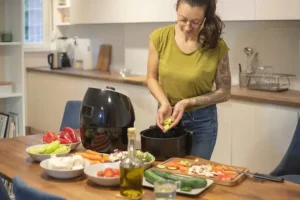
If you’ve spent any real time in a kitchen, you’ve had a close call. A hot pan grabbed the wrong way. A knife slip while you were talking instead of watching your hands. Maybe a piece of steak that went down before it was properly chewed at a dinner party, followed by a few seconds of genuine panic around the table. Cooking is physical work, and physical work comes with risk, which is part of why more home cooks are quietly signing up for Coast2Coast Toronto First Aid Trainingcourses instead of just hoping for the best.
You don’t need a medical degree to help someone who’s choking at your table. You need about a day of training and the confidence to actually act instead of freezing while everyone looks around the room for someone else to do something.
Why Should Food Lovers Care About First Aid?
Kitchens and dinner tables are where a surprising number of everyday emergencies happen. According to the Canadian Red Cross, choking is one of the more common household incidents, and it tends to happen fast, at exactly the moment everyone’s distracted by good conversation and better food.
Burns are just as common, if not more so. Grease splatters, oven racks, and boiling liquid are basically occupational hazards for anyone who cooks seriously, whether that’s a home kitchen on a Tuesday night or a small catering side hustle on weekends. Add a glass of wine and a distracted conversation into the mix, and the risk only climbs from there.
What Does a First Aid Course Actually Teach You?
Most courses combine flexible online modules with a hands-on, in-person practical session, so you’re not just memorizing steps from a slideshow. You’re actually practicing them on a training manikin until the motion feels familiar rather than theoretical.
A typical course covers:
- Choking response for adults, children, and infants
- CPR and AED use for cardiac emergencies
- Treating burns, cuts, and kitchen injuries
- Managing shock and severe bleeding
- Basic wound care and infection prevention
None of this requires prior experience. Most people who take these courses have never handled a medical emergency in their life, which is exactly the point of taking the class before you’re forced to improvise.
Does This Matter for Home Cooks, or Just Restaurant Staff?
Both, honestly. Under Ontario’s OHSA, food service workplaces often need certified first aiders on-site, with WSIB setting the specific standards those courses need to meet. But choking and burns don’t check whether you’re cooking professionally or just hosting Sunday dinner for extended family.
If you regularly cook for other people, family, friends, dinner party guests, you’re already taking on a small version of the same responsibility a restaurant kitchen has, whether you’ve thought about it in those terms or not. Nobody hands you a certificate for hosting, but the risks are real either way.
How Long Does the Certification Last, and What Does It Cost?
Certification typically holds for about three years before a refresher is needed. Given how often most home cooks are already in the kitchen, building a first aid refresher into that same three-year rhythm isn’t much of a stretch, especially once it becomes a habit rather than an afterthought.
Pricing varies by provider and certification level, but the blended format, mixing online theory with a shorter in-person practical day, tends to keep the cost reasonable for individuals rather than only being accessible to businesses with training budgets.
What Do People Actually Remember Most From the Course?
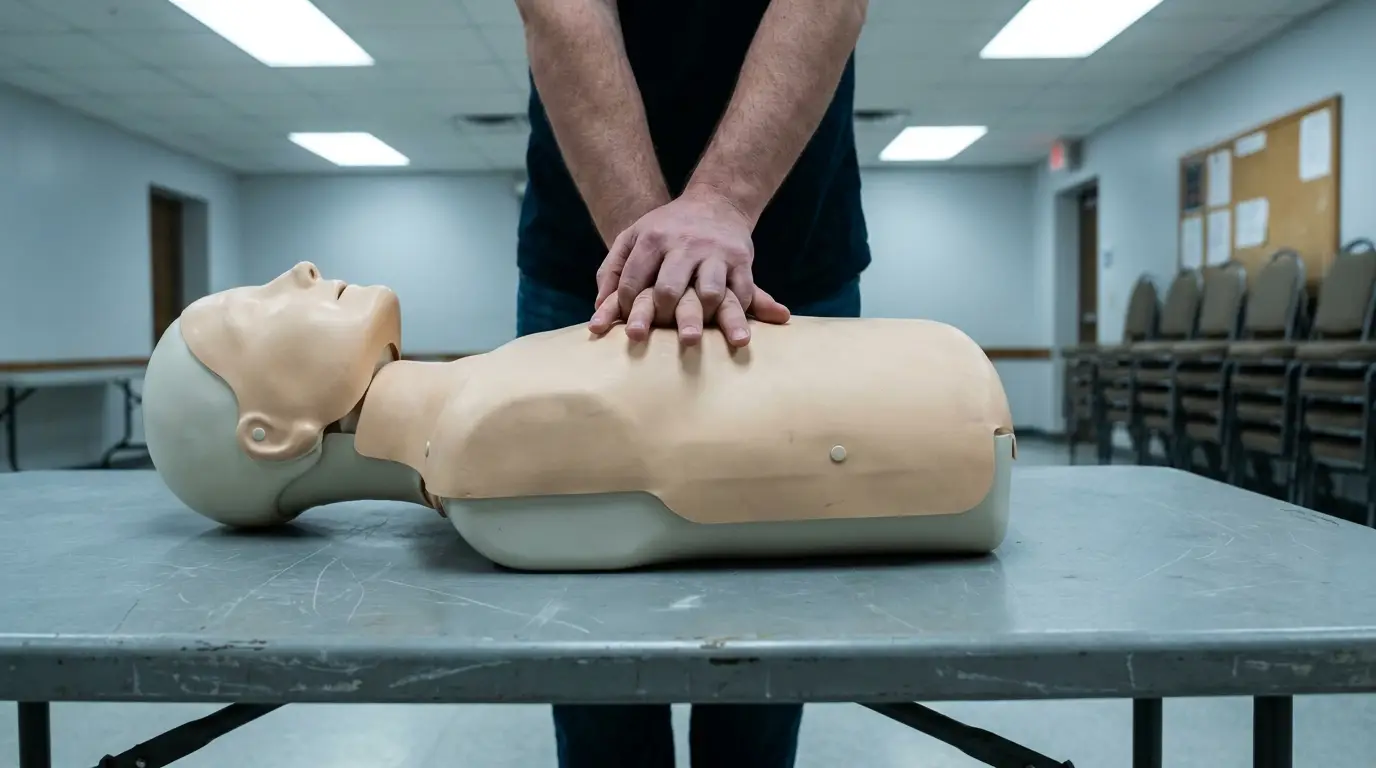
Ask anyone who’s taken a Standard First Aid course what stuck with them, and it’s rarely the theory. It’s usually the moment they practiced the Heimlich maneuver on a training dummy for the first time, or the slightly awkward few minutes of doing chest compressions to the beat instructors sometimes use to keep the rhythm steady. That physical, hands-on repetition is what turns a nervous bystander into someone who moves without hesitating when it counts.
For food-focused readers in particular, there’s an added layer worth mentioning: a lot of the choking and burn scenarios covered in class map almost exactly onto real kitchen situations, which makes the training feel a lot more relevant than a generic workplace refresher might. Even something as simple as knowing how to safely tilt someone’s head back or where to place your hands for abdominal thrusts becomes second nature once you’ve practiced it in a room full of other nervous beginners.
Who Should Actually Consider This?
- Home cooks who regularly host dinner parties or family meals
- Anyone running a small catering or baking business
- Parents cooking for young children
- Food bloggers and content creators who film in real kitchens
There’s something reassuring about knowing that if a guest ever chokes at your table, you wouldn’t just stand there hoping someone else knows what to do. You’d already know, and that’s a very different feeling to carry into hosting.
It’s worth mentioning, too, that this training tends to change how people think about kitchen setup in general. Once you’ve learned how quickly a burn or a choking incident can escalate, small habits shift almost automatically, like keeping a clear path to the counter, storing knives more deliberately, or cutting grapes and small foods more carefully for kids at the table.
If you are looking for first aid training near Bloor Street West, Ossington Avenue, or the surrounding Palmerston area, you can see upcoming class dates hereto get certified before your next dinner party.
FAQs
Q: How common is choking really, especially at home?
A: The Canadian Red Cross notes choking is one of the more frequent household emergencies, and it often happens quickly during meals when everyone’s distracted by conversation.
Q: Do I need any cooking or medical background to take a first aid course?
A: No. These courses are built for complete beginners, and most participants have never handled a medical emergency before.
Q: How long does a typical course take?
A: Most courses combine a few hours of self-paced online theory with a single in-person practical day.
Q: Is first aid training required for home cooks, or just restaurant staff?
A: There’s no legal requirement for home cooking, though Ontario food service workplaces often need certified first aiders under OHSA and WSIB standards. Many home cooks get certified anyway.
Q: How often do I need to renew my certification?
A: Certification generally lasts about three years, after which a refresher course keeps your skills and card current.