






A quiet revolution has been brewing in London’s food scene. As a leader in the hospitality industry, you know that the culture within your business has a direct impact on your team members’ experiences.
However, what if this culture extends beyond just your business? What if the way that we eat also impacts our culture? This describes the resurgence of supper clubs in London and how they are reshaping the relationships among cooks, diners, and the dining experience.
A Return to Intimate Dining
Supper Clubs are more than restaurants; they’re a place for chefs and diners to experience food together. Rather than being purely a place to eat, Supper Clubs foster human connection.
In a city that never rests, where dining can feel like just another financial transaction, Supper Clubs invite diners to stop and connect with the food, the chefs, and other patrons who share the experience.
Today’s culinary professional or business owner uses supper clubs as a platform by which they promote their brand & develop relationships with patrons based on an ×perception of emotional interaction. Essentially, your reality is created through your perception of what you experience (events, information, feelings). A supper club condenses the above sensory experience, giving guests the opportunity to develop a sense of reality.
The Multisensory Experience
The increase of supper clubs in London is both diverse and deep for many reasons. Most significantly, through cultural diaspora, supper clubs in London have allowed chefs to explore their skill sets in a dinner format that does not limit the creativity of cooking in a traditional restaurant.
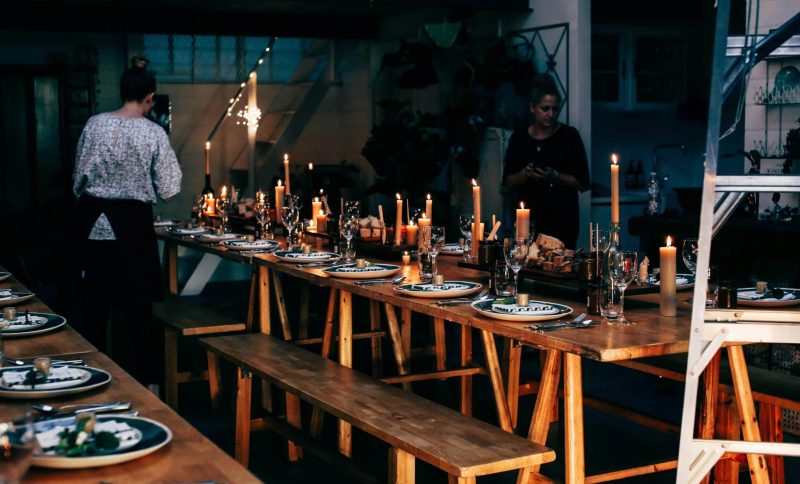
Experience design comes into play here. A successful supper club experience is about more than just the food; it encompasses the entire dining experience from start to finish and everything in between. It will take into account the lighting, music, table texture, sequence of service, and how the courses are tied together to tell a story.
This philosophy aligns with a shared vision. The host needs to have a clear plan/direction to give their guests from the moment they enter the venue. What is the ‘narrative’ of the evening? How did this menu come to be? Defining this story gives the team and the guests a sense of shared purpose.
Flawless service in private apartments or hidden warehouse spaces requires teams to be more adaptable, personable and attentive to environmental nuances than in typical restaurant settings. When they successfully pull this off, teams create a strong sense of accomplishment that enhances their self-worth and morale.
Building Confidence Through Connection

By participating in a supper club London event as a host or contributor, you can gain significant personal and professional development by evaluating your skill set, building on existing strengths, and overcoming weaknesses in a high-pressure environment, while still being part of a supportive community.
Good performance leads to the evening’s success, and that creates a sense of confidence and pride in everyone involved
As the team gains confidence through successful evenings or performances, that confidence leads to higher-quality work and more passion in every dish.
Supper clubs allow chefs to experience the reality of the food they create and help imbue their food with the values they wish to convey. In a traditional commercial kitchen, chefs are often insulated by the distance between their front-of-house operations and their kitchens, creating a somewhat insulated view of their world.
The true product of their work is reflected in the customer’s eyes, and the supper club brings that truth into sharp focus.
The Future of Dining
Supper clubs are becoming increasingly popular in London, as people want new, exciting experiences while also wanting to connect to others. Supper clubs offer people a different way to eat out and a new perspective on gathering with others.
They help to remove the fussy elements of taking your meal out, and instead focus on providing customers with quality food, give others the opportunity to create memories together over a meal; whether from having themed dinners hosted in artist studios or having clandestine dinners held in Holborn mews, supper clubs are still a very enjoyable way to have fun when you do go out to eat.