A durable roof is rarely the result of one “perfect” material. It is a system in which every layer has a job: shedding water, resisting wind, managing moisture, insulating the building, and protecting vulnerable junctions around chimneys, valleys, skylights, and eaves.
When homeowners think about roofing materials, the visible finish usually gets the attention. Slate, tile, metal, and shingles all influence a property’s appearance, but durability depends just as much on what sits underneath them. A premium roof covering installed over poor underlay, weak battens, or inadequate flashing will not perform as intended.
The best material choices depend on the roof’s pitch, local weather, building style, budget, and the level of maintenance the owner is prepared to undertake. Still, several components consistently matter more than others when the goal is a roof that lasts.
The Roof Covering: Your First Line of Defence
The outer covering takes the most obvious punishment from rain, frost, UV exposure, wind-driven debris, and changing temperatures. Its lifespan can vary dramatically depending on the material, installation quality, and environment.
Slate: Exceptional Longevity When Properly Installed
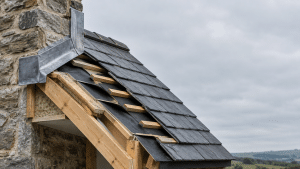
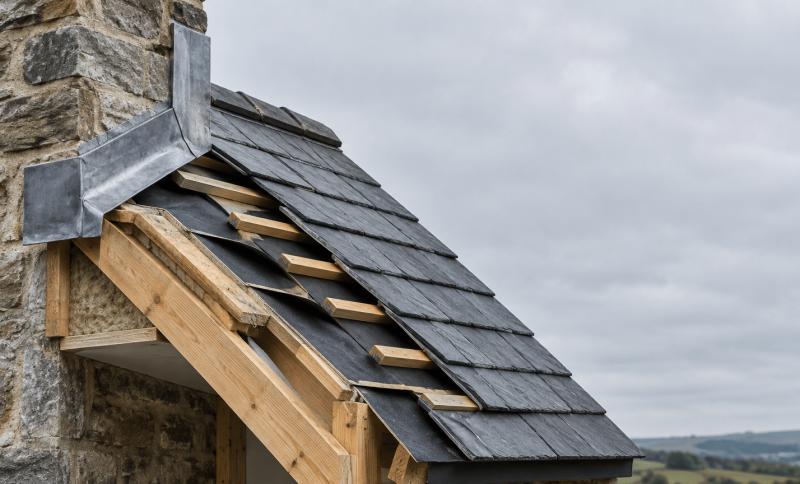
Natural slate remains one of the most durable roofing materials available. Good-quality slate can last a century or more, which is why it is common on historic buildings throughout the UK. It is non-combustible, highly resistant to water absorption, and retains its appearance remarkably well.
Its limitations are practical rather than performance-related. Slate is heavy, often more expensive to install, and requires skilled fitting. Fixings, lap details, and roof structure all need to be appropriate for the material. A durable slate roof is therefore as much about workmanship as the slate itself.
Fibre cement slate offers a lighter, more economical alternative. It will not match natural slate’s lifespan, but it can provide a neat, weather-resistant finish where weight or budget is a concern.
Clay and Concrete Tiles: Proven Choices for British Weather
Clay tiles have a long track record in the UK. They can cope well with rain, frost, and sunlight, and quality products may last for several decades. Their colour tends to remain stable because it is inherent to the material rather than simply applied as a surface coating.
Concrete tiles are widely used because they are robust, readily available, and generally cost-effective. They are heavier than many alternatives, so the roof structure must be capable of supporting them. Over time, concrete can become more porous and may develop moss or surface weathering, but this does not automatically mean the roof has failed.
For homeowners comparing options and components, established roofing merchants such as jjroofingsupplies.co.uk can help illustrate the breadth of compatible tile, slate, membrane, and drainage systems needed for a complete specification.
Underlay and Membranes: The Layer You Should Not Ignore
The roof covering sheds most rainwater, but it is not a completely sealed barrier. Wind can drive rain beneath tiles, condensation can form within the roof space, and small defects may develop over time. This is where underlay earns its place.
Modern breathable roofing membranes are commonly used beneath slates and tiles. They provide a secondary barrier against water ingress while allowing moisture vapour to move outward from the roof structure. That balance is important: trapped moisture can contribute to timber decay, mould, and reduced insulation performance.
Not every membrane suits every roof. The correct choice depends on factors including roof pitch, ventilation design, exposure to wind-driven rain, and whether the roof is “cold” or insulated at rafter level. It also needs to be installed with correct laps, drape, and support. A membrane that is punctured, poorly lapped, or stretched too tightly may not perform as intended.
Flashings and Junction Materials Prevent Most Leaks
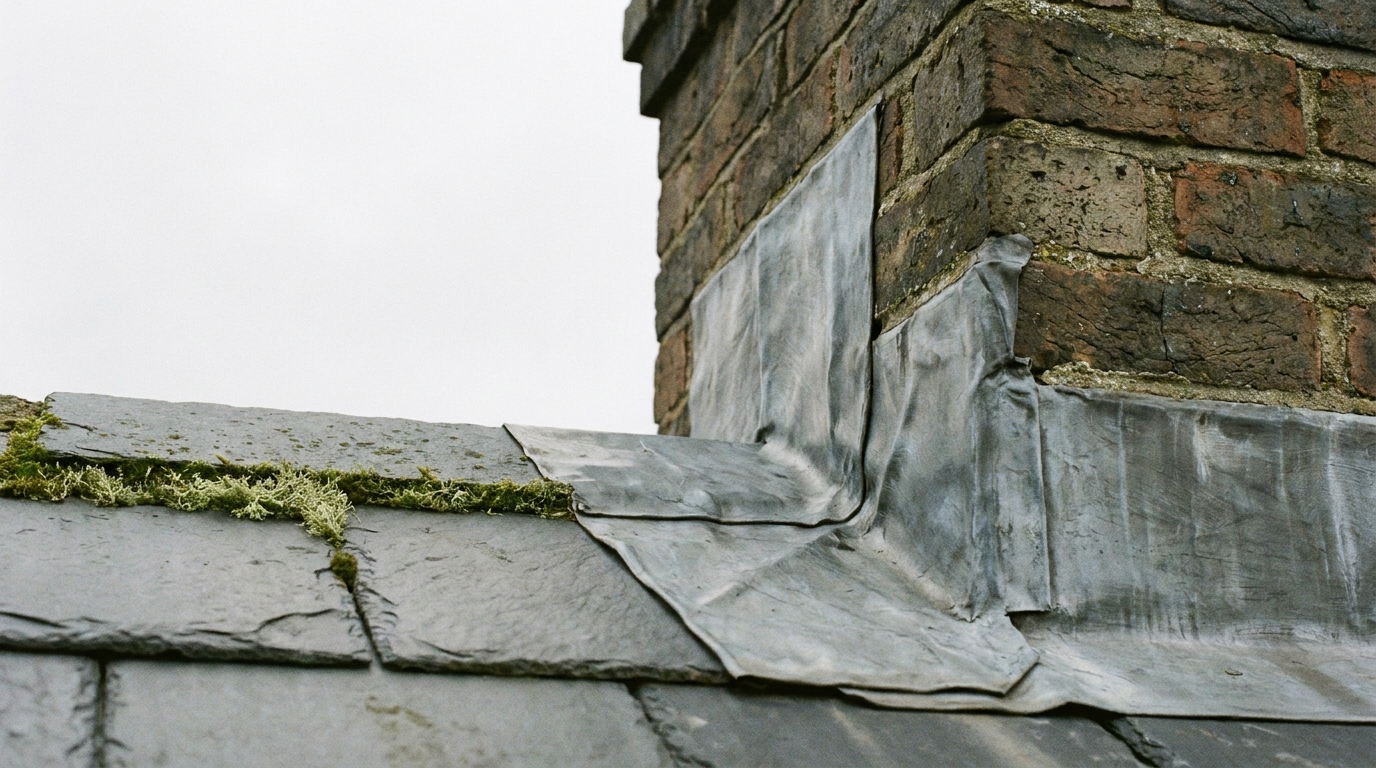
Roofs seldom fail in the middle of an uninterrupted slope. More often, problems begin at details: around chimneys, roof windows, soil pipes, abutments, valleys, and changes in roof pitch.
Lead Remains a Benchmark Material
Lead flashing has been used for centuries because it is flexible, long-lasting, and well suited to complex roof shapes. Properly detailed leadwork accommodates thermal movement and creates reliable weatherproof transitions between different surfaces.
It must, however, be installed correctly. Incorrect laps, inadequate fixing, poor expansion allowances, or incompatible materials can shorten its service life. In some projects, alternatives such as aluminium, zinc, or specialist flashing tapes may be appropriate, particularly where weight, cost, or theft risk is a concern. The key is selecting a material designed for the location rather than treating every junction the same.
Valleys deserve particular care. They channel a large volume of water and are vulnerable to debris accumulation. Lead, zinc, GRP valley troughs, and purpose-made tile valleys can all work well when matched to the roof covering and fitted with adequate support.
The Supporting Structure Matters More Than It Seems
A roof’s outer layers are only as dependable as the structure behind them. Rafters, trusses, decking, battens, fixings, and fascias each play a role in keeping the covering secure and correctly aligned.
Timber battens should be graded for roofing use and sized according to the tile or slate system. They need to be straight, securely fixed, and suitably durable for the conditions. Inferior or damaged battens can lead to uneven tile lines, loose fixings, and unnecessary movement in the roof covering.
Fixings are similarly easy to overlook. Nails, screws, clips, and hooks should be selected for the roof material and exposure conditions. In coastal or highly exposed locations, corrosion resistance becomes especially important. A roof can look sound from ground level while hidden corroded fixings create a growing risk of slipped tiles or slates.
Insulation and Ventilation Work as a Pair
Durability is not only about keeping rain out. It also involves managing heat and moisture inside the roof.
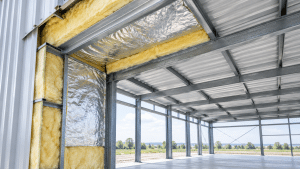
Well-installed insulation reduces heat loss and can improve comfort, but it changes the temperature and moisture behaviour of the roof structure. Without adequate ventilation or an appropriate vapour-control strategy, warm moist air from the home may condense on cold surfaces. Over time, that can affect timber, insulation, and internal finishes.
A sound roof design considers these elements together:
- insulation position and thickness
- ventilation pathways at eaves and ridge
- membrane vapour permeability
- vapour control on the warm side of insulation
- the intended use of the loft or roof space
This is particularly important in loft conversions and warm-roof constructions, where traditional ventilation assumptions may no longer apply.
Choosing Materials for the Building, Not Just the Brochure
The most durable roof is one that suits its setting. A material that performs brilliantly on a sheltered suburban home may need additional fixing, different detailing, or a different specification entirely on an exposed coastal property.
Before choosing, consider roof pitch, wind exposure, local planning expectations, structural loading, drainage capacity, and access for future maintenance. Also think beyond the initial installation cost. A longer-lasting material may represent better value if it reduces replacement cycles and repairs over the life of the building.
Ultimately, durability comes from compatible materials, careful detailing, and competent installation. Tiles and slates may be the visible heroes, but membranes, flashings, fixings, ventilation, and structure are what allow a roof to keep doing its job through decades of British weather.