






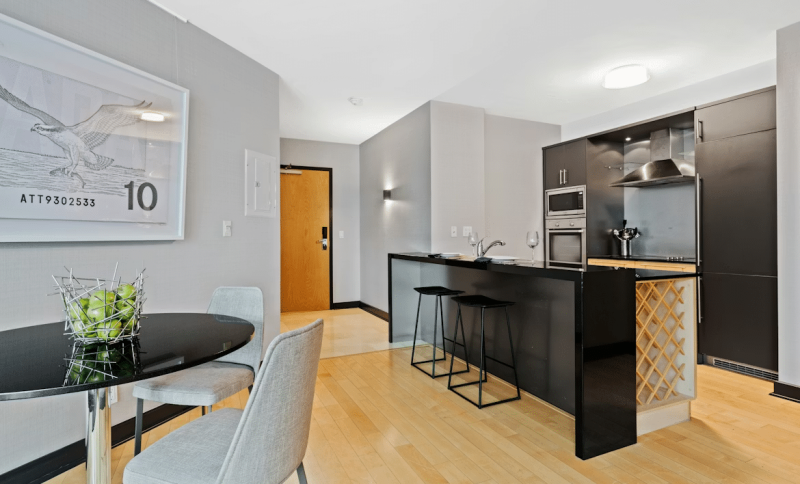
When people shop for a dining table, their eyes are naturally drawn to the tabletop. The grain of the wood, the finish, the thickness, and the overall shape often steal the spotlight. Yet, what truly determines how well a dining table performs over time is what sits beneath it. The table base plays a far more critical role than most homeowners realize, influencing stability, comfort, longevity, and even the way a space feels. Choosing the right base isn’t just a design decision; it’s a functional investment that affects how your dining table works in everyday life.
The Foundation of Stability and Durability
A dining table is only as strong as its foundation. The table base supports the weight of the tabletop, dishes, and people leaning on the surface, as well as the natural movement during meals and gatherings. A poorly designed base can cause wobbling, uneven surfaces, or long-term structural stress, regardless of how premium the tabletop material is.
Over time, this instability can lead to cracks, loosened joints, or visible wear, diminishing the table’s lifespan. High-quality table bases are engineered to evenly distribute weight, preventing pressure points that can weaken the table. Materials such as solid hardwood, reinforced steel, or cast iron provide superior load-bearing strength, ensuring the table remains solid for years. While a tabletop can be replaced or refinished, a weak base will continue to cause issues, making stability one of the most important reasons the right base matters more than the surface above it.
Comfort, Legroom, and Everyday Functionality
Comfort is another often-overlooked factor where the table base makes all the difference. The design of the base directly affects legroom, seating flexibility, and how easily people can move chairs in and out. Traditional four-leg tables may look classic, but poorly positioned legs can limit seating space and make larger gatherings uncomfortable. In contrast, pedestal or trestle bases often provide more freedom of movement and accommodate additional guests without crowding.
The base also influences how people interact with the table on a daily basis. A well-designed base allows diners to sit naturally without bumping knees or constantly adjusting their chairs. This is especially important for families who use their dining table for more than meals, such as working, studying, or entertaining. The right base enhances usability, turning the table into a comfortable, multifunctional centerpiece rather than a frustrating obstacle.
Design Impact and Visual Balance
While the tabletop sets the tone, the table base defines the table’s character and visual balance. A heavy, solid base can anchor a large tabletop, preventing it from feeling top-heavy or awkward. Conversely, a sleek, minimal base can add elegance and openness to a space, making even a thick tabletop feel lighter and more refined.
Interior designers often focus on the base to complement room styles, whether modern, industrial, farmhouse, or traditional. The base determines how the table connects with the flooring, surrounding furniture, and overall room flow. A mismatched or flimsy base can cheapen the look of an otherwise beautiful tabletop, while a thoughtfully chosen base elevates the entire dining area.
While the tabletop may capture attention, the table base is the true backbone of any dining table. It determines stability, comfort, design harmony, and long-term usability in ways the surface alone never could. By prioritizing the right base, you’re not just choosing a piece of furniture; you’re investing in a dining experience that feels solid, comfortable, and timeless every single day.