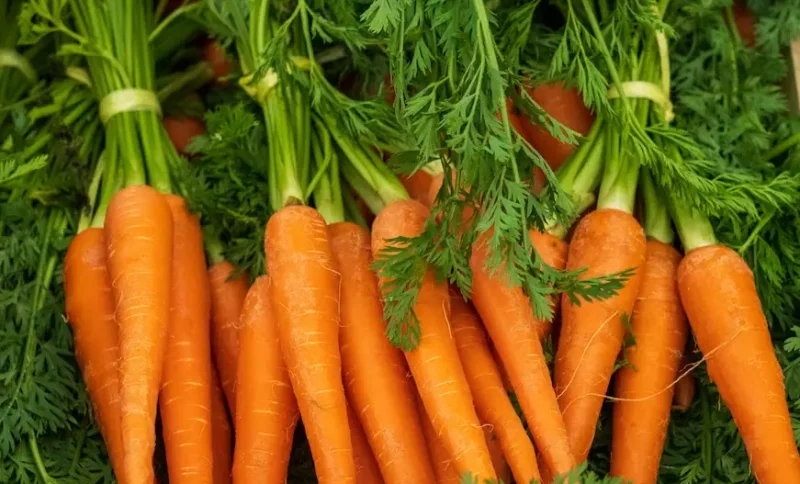
When you were a kid, did your parents tell you to eat carrots for your eyesight? If you’re like me, you may have responded by rolling your eyes.
Your parents may have then said that if you roll your eyes, they’d get stuck that way. Good news: that’s a myth, so roll away!
But what about the carrots? Eating specific foods won’t correct your nearsightedness or astigmatism (that’s where prescription glasses and daily or monthly contact lenses come in), but a nutrient-rich diet can play an important role in supporting long-term eye health.
Certain vitamins, minerals, and antioxidants may help protect your eyes and support healthy aging, including reducing the risk or slowing the progression of conditions like cataracts and Age-related Macular Degeneration (AMD). In this article, I’ll discuss foods and nutrients that can help keep your eyes healthy as you age, and they’re not all carrots!
What Is AREDS?
The Age-Related Eye Disease Study (AREDS) and its follow-up, AREDS2, were major clinical trials led by the National Eye Institute. These studies looked at how diet, nutritional supplements, and certain vitamins and minerals may affect the risk of age-related eye conditions. This includes age-related macular degeneration (AMD) and cataracts.
The study found that diets high in certain nutrients may help reduce the risk and slow the progression of some vision conditions that commonly affect older adults. When these eye diseases become more advanced, they may lead to significant vision loss and, in severe cases, even blindness.
Here are some of the nutrients highlighted in the AREDS and AREDS2 studies:
- Diets higher in DHA, a type of omega-3 fatty acid, are associated with slower AMD progression. DHA is found in fatty fish and in some nuts and seeds, particularly flax seeds. Studies on DHA supplements have found mixed results as to whether supplementation slows progression.
- Researchers developed an AREDS formula supplement to reduce the risk of age-related vision loss. It was later replaced by the AREDS2 formula.
- AREDS focuses on antioxidants, including vitamins C and E, zeaxanthin, and lutein.
- Taking AREDS or AREDS2 supplements can reduce the risk of progression from intermediate AMD to advanced AMD by about 25 percent.
- People who consume the most lutein and zeaxanthin have a lower risk of developing new cataracts.
So, Which Foods Can Help Eye Health?
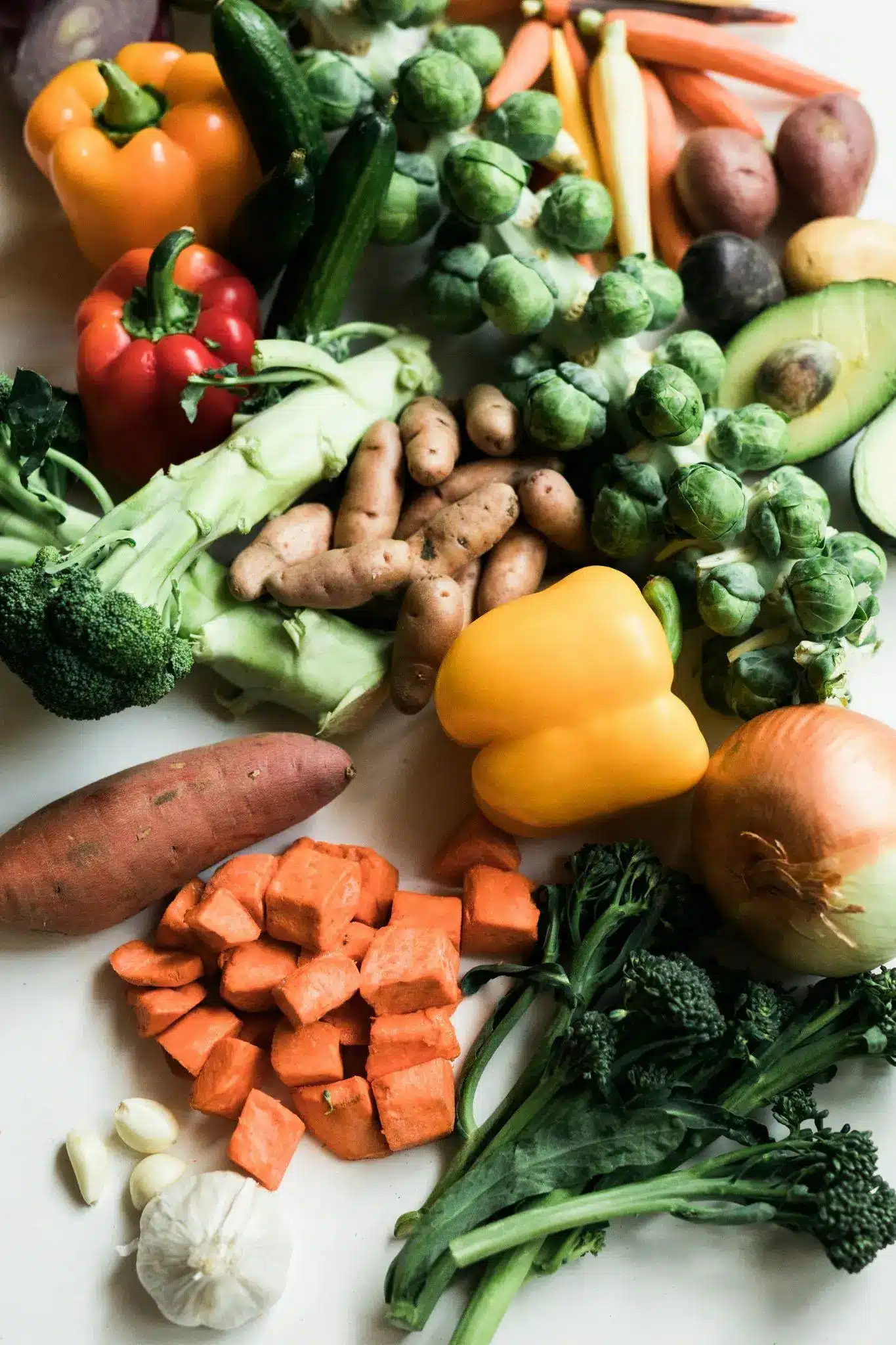
A balanced diet rich in vitamins, minerals, antioxidants, and healthy fats can help support overall eye health. Foods rich in the following nutrients are typically your best bet for eye health:
- Vitamin C. This vitamin is found in many fruits and vegetables, including citrus fruits, bell peppers, kiwi, and melons.
- Vitamin E. You can find this antioxidant in vegetable oils, nuts, and seeds, including almonds, sunflower seeds, and peanuts. Because Vitamin E is a fat-soluble vitamin, it’s better absorbed when eaten with a large meal containing some fat.
- Zinc. Good sources include meat and seafood, dairy products, grains, nuts, and seeds.
- Copper. This is found in seafood, nuts, seeds, legumes, whole grains, and dark chocolate.
- Lutein. This nutrient is frequently found in dark, leafy green vegetables, such as kale, spinach, and collard greens. Egg yolks, corn, peas, broccoli, and Brussels sprouts are also good sources, and lutein is often absorbed better when eaten with a little fat.
- Zeaxanthin. Dark, leafy greens are also a rich source of this carotenoid. Others include orange bell peppers, green peas, corn, summer squash, oranges, kiwis, and pistachios.
- Omega-3s. These fatty acids are found in fish like salmon, mackerel, and sardines, as well as chia seeds, flax seeds, and walnuts.
- Beta carotene. You’ll find this antioxidant in brightly-colored vegetables, especially orange ones like cantaloupe, sweet potato, and yes, carrots. Dark, leafy greens are also good sources.
What Other Diet Changes May Help With Eye Health?
In general, anything that supports good vascular health is good for your eyes. That’s because there are many small blood vessels in the eyes, and damage to these vessels can lead to eye damage and vision loss. Eating fruits, vegetables, whole grains, and lean protein is one of the best ways to support the health of your blood vessels. Here are a few other things you can do for vascular health:
- Avoid alcohol and smoking.
- Exercise regularly.
- Keep your blood sugar under control if you’re diabetic.
- Avoid prolonged sitting. If you have to sit for long periods at work, break up the day with frequent short walks, even if they’re just to the breakroom or around the office. If you do go walking outside, make sure to bring your sunglasses with UV protection.

The AREDS study also found that meals with a lower dietary glycemic index, or DGI, were associated with a reduced risk of AMD. This may tie back in with vascular health and reducing blood sugar.
Low glycemic index foods include:
- Fruits and vegetables, including apples, oranges, pears, and peaches.
- Non-starchy vegetables like broccoli, carrots, tomatoes, and zucchini.
- Whole grains, such as whole wheat, oats, quinoa, and barley.
- Legumes, including black beans, lentils, and chickpeas.
- Dairy products like milk or unsweetened yogurt.
- Protein sources like fish, eggs, nuts, and seeds.
- Fat sources like olive oil.
It may also be helpful to avoid foods high in sugar or heavily processed foods.
FAQs:
Is a Mediterranean Diet Good for Eyesight?
Yes. The Mediterranean diet contains most of the foods we’ve discussed in this article, including fruits and vegetables, fish, whole grains, nuts, beans, and olive oil. So if you are already eating a Mediterranean diet, you are probably consuming many nutrients that support your eye health.
Can I Get Omega-3 Fatty Acids Without Eating Fish?
Yes. Chia seeds, flax seeds, walnuts, and soybeans are good sources. There are also a number of omega-3 supplements available if none of those appeal to you.
Do I Need an AREDS Supplement if I Eat a Healthy Diet With All Those Nutrients?
Maybe. If you are at high risk of AMD, cataracts, or other age-related eye problems, you may benefit from taking an AREDS supplement. Even people who eat a relatively healthy diet don’t always get the recommended amount of every nutrient every day. If you have concerns about your risk of age-related vision loss or whether you need a supplement, it’s always a good idea to ask your eye doctor.
Can Vitamins Improve Your Vision?
Vitamins can support your eye health, but they can’t improve your vision in the way glasses or contacts do. They can’t correct common refractive errors like nearsightedness (myopia), farsightedness (hyperopia), or astigmatism.
Luckily, there are plenty of stylish women’s glasses and men’s eyeglasses that can make wearing glasses fun! For inspiration, this article discusses 10 modern trendy mens glasses.
You can also browse around different eyewear retailers to see the options available. For instance, at online eyewear retailer EZContacts, you can look through thousands of frames from hundreds of brands.