
Start With the Evening, Not the Recipes
The best dinner parties do not require a restaurant kitchen. For six people, a little structure gives you room to enjoy your own table. Before you choose a menu, think about how you want the evening to feel: relaxed and familiar, celebratory, or a chance for friends who have not met to get to know one another.
A simple theme can guide your choices without making the party feel like a production. Think of a leisurely Mediterranean supper, a cozy autumn meal, or a birthday dinner with the guest of honor’s favorite dessert.
Ask the Practical Questions Early
Invite your guests and ask about allergies, dietary requirements and strong dislikes before deciding what to cook.
If someone has an allergy, discuss ingredients and cross-contact with them directly. Plan a meal everyone can enjoy rather than treating an alternative plate as an afterthought.
A generous vegetable dish, for example, can be a centerpiece for one guest and a side for everyone else. Decide what you are comfortable spending, then choose dishes that fit both your budget and the time you have.
Build a Menu With Breathing Room
Choose one main dish and two simple accompaniments. Roast chicken with potatoes and a crisp green salad makes a welcoming starting point; a hearty bean or vegetable dish can anchor a vegetarian menu.
For a starter, put out olives, bread and a dip, or serve a soup prepared ahead. Dessert can be baked apples, a cake made the day before, or fruit and something creamy.
The point is not to impress with the number of dishes. It is to choose food that tastes good and can be served without last-minute juggling.

Make One or Two Dishes Ahead
A soup can be made the day before, chilled promptly and reheated thoroughly. Dressing can be mixed in a jar, while washed greens can be dried and stored in the refrigerator. Dessert can be finished before anyone arrives.
If your main dish needs the oven, avoid choosing sides that all need different temperatures at the same time.
Check each recipe’s timing and serving temperature, and leave a little extra room for interruptions. When guests offer to bring something, a drink or dessert can take a useful job off your list.
Write the Shopping List Two Days Before
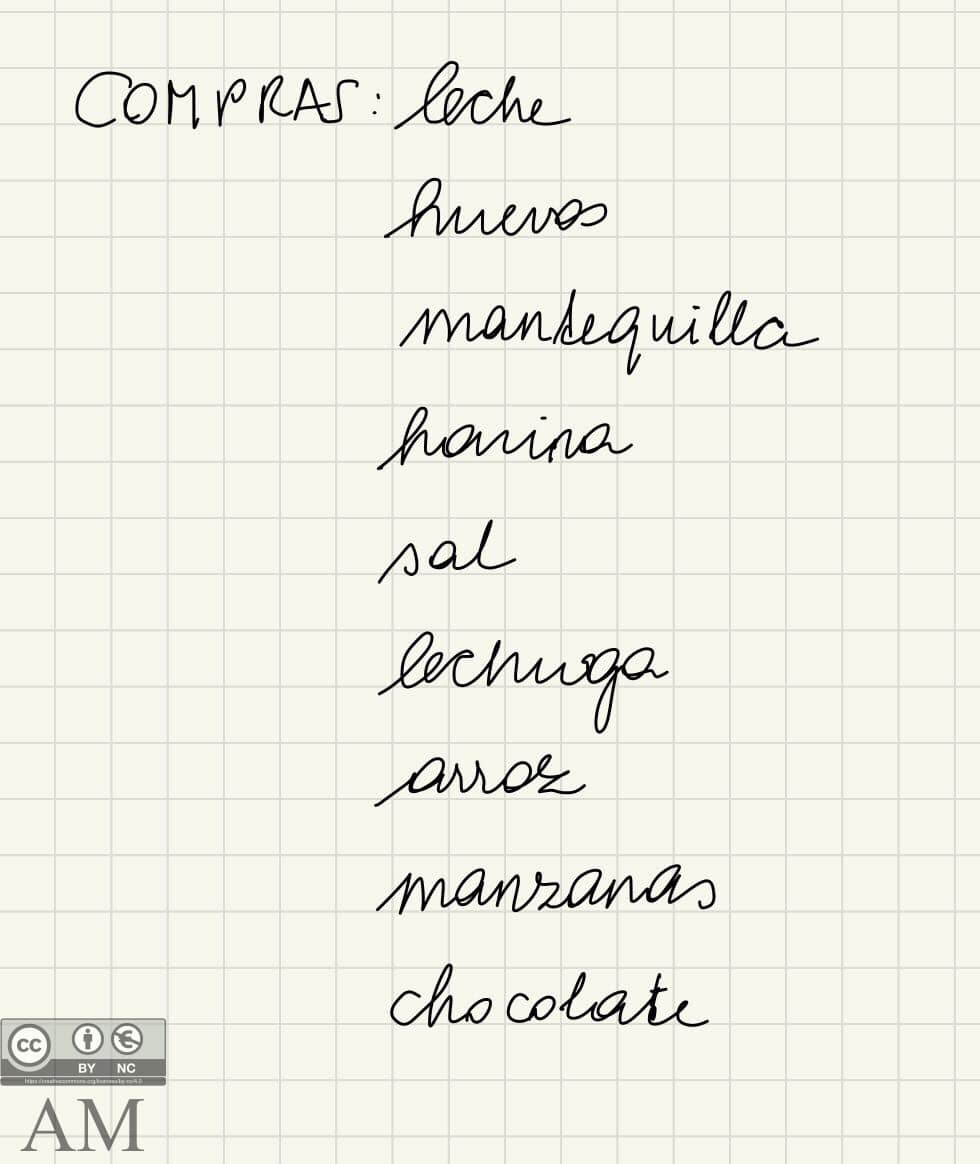
Read each recipe once and group ingredients by where you will find them: produce, pantry, dairy, meat or alternatives, and bakery. Check your cupboards before adding oil, salt or spices.
Add drinks, ice, napkins and any serving essentials you need. If a recipe calls for a small amount of an ingredient, see whether another dish can use the rest. Shop for shelf-stable ingredients early, and buy delicate greens or bread closer to the meal.
A single organized trip is easier than several emergency runs.
Give the Table a Simple Focal Point
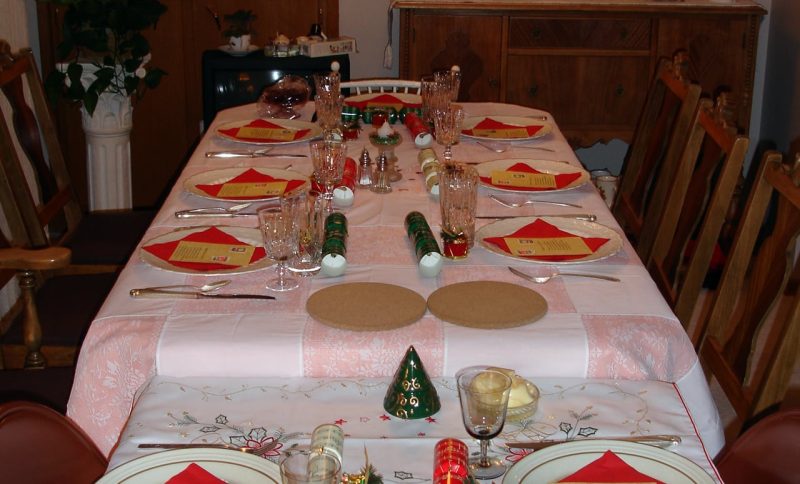
A welcoming table does not need matching place settings. Clear enough space for plates and glasses, then add one low arrangement of greenery, a few pieces of fruit, or candles placed safely away from anything flammable.
Keep decorations low enough that guests can see one another. Set out serving spoons and a place for water before the evening begins. If you have limited table space, serve the main dishes from a counter and leave the table clear for conversation.
Use a Gentle Countdown
The day before, make dessert and any dishes that keep well, review your shopping and set the table if you have space.
On the day, check the cooking time for the main dish and work backward from when you would like to eat.
A few hours before guests arrive, prepare the vegetables and make the dressing. In the final hour, start anything that must be cooked fresh, put out the starter, fill a water pitcher and change into something comfortable. Leave a few minutes for yourself before the doorbell rings.
Let Conversation Find Its Own Pace
When people arrive, introduce guests with a detail that gives them somewhere to begin: a shared interest or a recent experience they have mentioned. Once everyone is seated, a light question can help the table settle in.
Try “What is a meal you still remember?” or “What is something small you have enjoyed lately?” Let people pass if they prefer. You do not need a formal game or a question for every course; the prompts are there to help, not to run the evening.
Keep the Host in the Room
A few prepared choices make it easier to sit down and enjoy the people you invited. Clear plates when it feels natural, not the moment the last person puts down a fork. Leave some washing up for later. If a dish is late or the bread is forgotten, the evening can still be a success. Guests are there to spend time together, and your presence matters more than a perfectly timed menu.