Cold plunging has a way of making people think carefully about temperature, timing, and breathing. Food, however, often gets left out of the conversation.
Should you eat before getting into cold water? Is it better to plunge on an empty stomach? And if cold exposure follows a workout, does that change what you should eat afterward?
There isn’t a special “cold plunge diet.” For most people, the basics still matter most: eat normally, stay hydrated, and pay attention to how your body responds.
A few practical choices can make the experience more comfortable, especially when cold plunging becomes part of a regular wellness routine.
Do You Need to Eat Before a Cold Plunge?
Not necessarily.
If you’re doing a short morning plunge and feel comfortable before breakfast, there may be no reason to force yourself to eat first. Someone plunging later in the day, however, will probably already have eaten normally.
The more useful question is how you feel.
Entering very cold water already creates a noticeable physical challenge. If you’re hungry, light-headed, or drained after exercise, adding another stressor may not make the experience any better.
At the same time, a large meal immediately before getting into a cold tub isn’t particularly appealing either.
For many people, the comfortable middle ground is simple: follow your usual eating routine and avoid starting a plunge when you already feel depleted.
What Makes a Good Pre-Plunge Snack?
If you do want something beforehand, it doesn’t need to be complicated.
A banana is convenient and provides carbohydrates without requiring much preparation. An apple, toast, yogurt, or another familiar light snack can work just as well.
The point isn’t to find a magical food that somehow makes cold exposure more effective.
Choose something you already tolerate well.
This matters particularly when a cold plunge is connected to exercise. If you’ve just finished a long run or demanding training session, hunger may have more to do with the workout than with the plunge itself.
In that situation, your overall recovery and nutrition needs should take priority over trying to follow a rigid cold-plunge rule.
Hydration Still Matters When You’re Cold
Cold water doesn’t make hydration irrelevant.
It’s easy to associate drinking water with hot weather and sweaty workouts, but hydration matters throughout the day regardless of whether your next activity involves heat or cold.
You don’t need to drink an enormous amount of water immediately before getting into a plunge. Simply going into the session normally hydrated is a sensible starting point.
If the plunge follows exercise, remember that you may already have lost fluids through sweat. Replacing those fluids matters more than any special drink marketed specifically for cold exposure.
For most everyday sessions, keeping water nearby and drinking according to your normal needs is enough.
Temperature Is Part of the Routine Too
Food and hydration are only part of making cold plunging comfortable and repeatable. Water temperature can change the experience just as much.
When you rely on bags of ice, getting the same temperature from one session to another can be surprisingly difficult. Weather, starting water temperature, tub size, and the amount of ice all affect the result.
For occasional use, that unpredictability may not matter much. If you’re plunging several times a week, it can become inconvenient.
A cold plunge chiller can help maintain water within a chosen temperature range without requiring fresh bags of ice before every session. That makes it easier to create repeatable conditions instead of wondering whether today’s plunge will be dramatically colder than yesterday’s.
Consistency is more useful than chasing the lowest temperature possible.
A routine you can comfortably repeat is generally more practical than an extreme session you have no desire to do again.
What Should You Eat After a Cold Plunge?
For most people, the answer is refreshingly ordinary: real food.
There’s no requirement for a special post-plunge shake, supplement, or carefully timed snack simply because you’ve been in cold water.
If the plunge is part of a normal morning routine, breakfast might follow naturally. That could mean eggs and toast, oatmeal with fruit, yogurt, or whatever balanced meal already works for you.
If you’ve exercised beforehand, the workout becomes more important when thinking about nutrition.
After demanding training, a meal containing protein and carbohydrates can support normal recovery and help replace energy used during exercise. The cold plunge doesn’t suddenly change those basic nutritional needs.
This is where wellness routines sometimes become unnecessarily complicated. Every activity doesn’t need its own food rules.
Often, good nutrition is simply good nutrition.

When Exercise and Cold Plunging Meet
Cold plunging and exercise are often discussed together, but the goal matters.
A runner using cold-water immersion after a demanding session may be thinking about soreness and feeling ready for the next training day. Someone focused heavily on strength and muscle growth may make different choices about when cold exposure fits into the schedule.
Nutrition works the same way.
Your meal should primarily support what your body has actually done. A difficult workout creates different demands than sitting in cold water for a few minutes.
Instead of building meals around the plunge itself, look at the larger picture: training intensity, energy needs, hydration, sleep, and the rest of your day.
Make the Routine Easy Enough to Keep
Healthy habits tend to last when they fit into ordinary life.
If every cold plunge requires a grocery-store trip for ice, complicated meal timing, special supplements, and half an hour of preparation, enthusiasm can disappear pretty quickly.
Keeping things simple usually works better.
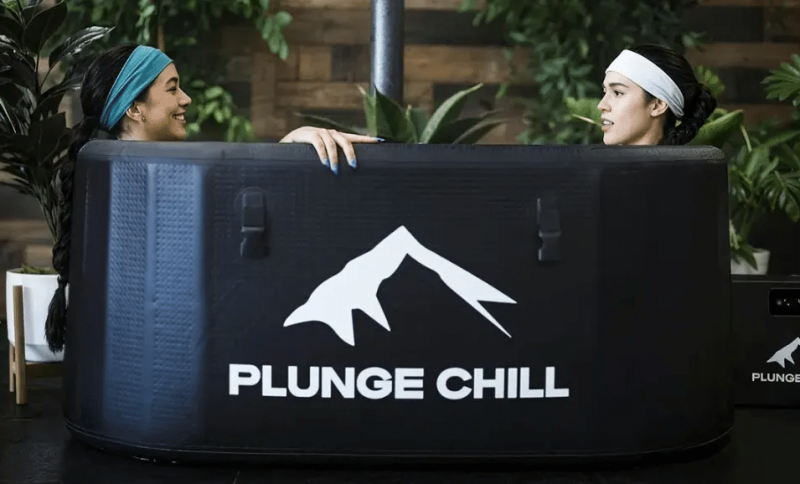
Plunge Chill offers cold plunge tubs, water chillers, and complete at-home systems designed to remove much of the preparation involved in regular cold-water immersion. A temperature-controlled setup means users can spend less time preparing ice and more time simply following the routine they’ve chosen.
Get 10% off your cold plunge setup using code Plunge10 at checkout.
Explore Plunge Chill Cold Plunge Bundles
Frequently Asked Questions
Is it okay to cold plunge on an empty stomach?
Some people are comfortable doing so, particularly in the morning. If you feel weak, hungry, or light-headed, eating something first may make more sense.
What should I drink after a cold plunge?
For an ordinary short session, water is usually a simple choice. After strenuous exercise, hydration needs may be greater depending on how much fluid you’ve lost.
Should I eat immediately after a cold plunge?
There’s usually no need to rush. If you’ve also completed a hard workout, focus on normal post-exercise nutrition rather than creating separate rules for the plunge.
Keep Food and Cold Plunging Simple
Cold plunging doesn’t require a complicated nutrition plan.
Eat in a way that supports your normal health and activity. Stay hydrated. Have a light snack beforehand if you need one, and let your post-plunge meal reflect what the rest of your day actually demands.
The same principle applies to the cold itself.
You don’t need the lowest temperature, the longest session, or the most elaborate routine.
When food, hydration, temperature, and timing all feel manageable, cold plunging becomes easier to fit into real life—and that’s usually what gives a wellness habit the best chance of lasting.