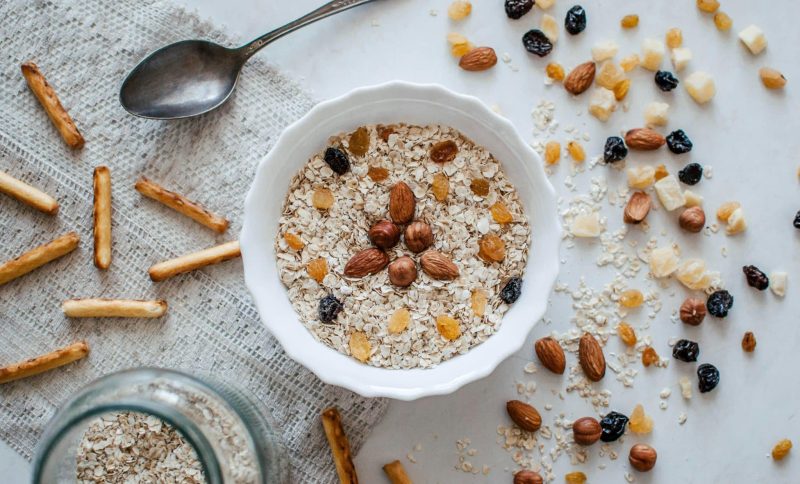
There’s a reason oatmeal has such a complicated reputation. It’s cheap, easy to make, and genuinely good for you, but a bowl of plain oats and water isn’t exactly the breakfast you wake up excited about. And when the only thing standing between you and a bland bowl is a few spoonfuls of brown sugar, it’s easy to wonder whether oatmeal is worth the effort at all. The good news is that oats don’t need much to become genuinely delicious. A little salt, the right spices, some fruit, a creamy ingredient, and a bit of crunch can completely change the bowl. The trick is knowing what to add and when.
Why Most Oatmeal Tastes Boring
Plain oats cooked in water have a mild flavor and a soft, uniform texture. That makes them a great blank canvas, but not necessarily an exciting breakfast on their own. Sugar is the obvious way to make them taste better because sweetness is immediately noticeable. But you don’t need to make sweetness the main source of flavor. Salt, spices, fruit, nuts, seeds, dairy or milk alternatives, and flavorful extracts can all add complexity without turning your breakfast into dessert. The trick is to build flavor in layers instead of simply adding more sweetness.
Spices and Aromatics That Do the Heavy Lifting

Cinnamon is the obvious starting point, but don’t stop there. Cardamom adds a floral, citrusy warmth, while nutmeg gives oatmeal a deeper, almost dessert-like character. A little pure vanilla extract stirred in near the end of cooking can also make the bowl taste naturally sweeter and more aromatic, even without adding sugar. You can also experiment with cocoa powder, pumpkin spice, ginger, or even a little orange or lemon zest. These ingredients add flavor without relying on added sugar.
The Salt Secret Most Recipes Skip
A pinch of salt is one of the simplest ways to make oatmeal taste better. It may seem strange to add salt to a sweet breakfast, but a small amount can balance bitterness and bring out the flavors of the other ingredients. You don’t need much, a pinch added to the cooking liquid is usually enough. One more technique worth trying: toast your dry oats in a dry skillet for a couple of minutes before adding liquid. Toasting develops a deeper, nuttier flavor and gives the finished oatmeal more character. Just keep the heat moderate and stir frequently so the oats don’t burn.
Adding Protein to Make Oatmeal More Satisfying
Oats provide carbohydrates, fiber, and some protein, but adding another protein-rich ingredient can make breakfast more nutritionally balanced and help you meet your overall protein needs. For a stovetop bowl, there are several easy options. Stir in a spoonful of nut or seed butter, fold in Greek yogurt after cooking, or mix protein powder into the finished oats. Each option also changes the texture and flavor of the bowl. If you’re using protein powder, stir it in gradually at the end of cooking rather than adding it directly to vigorously boiling oats. This can help prevent clumps and give you a smoother consistency. You can also use milk or a fortified plant-based milk instead of water. Depending on the product, this can add protein, creaminess, and a richer flavor to the finished bowl.
Overnight vs. Stovetop: Which Works Better for Protein Add-Ins?
Both methods work well, the better choice mostly comes down to convenience and texture. Overnight oats are particularly useful when you want breakfast ready in advance. The oats soften gradually in the refrigerator, while yogurt, milk, seeds, and protein powder can be mixed in at the same time. If you want the preparation handled for you, overnight oats protein in a blueberry cobbler flavor combines oats and protein in a single product. Simply add your liquid, refrigerate, and you’ll have a ready-to-eat breakfast the next morning. Stovetop oats are more flexible if you prefer a hot breakfast. Protein powder can be stirred in after cooking, while Greek yogurt is best added once the oats have cooled slightly to preserve its creamy texture.
Toppings That Add Texture and Natural Sweetness
Fresh and frozen fruit are some of the easiest ways to add sweetness without relying on added sugar. Bananas become softer and sweeter as they cook, while berries release their juices into the oats. Apples, pears, peaches, and mango can all work beautifully too. Texture matters just as much as flavor. A bowl that’s uniformly soft from edge to center can become monotonous, so add something with a little crunch. Chopped walnuts, almonds, pecans, pumpkin seeds, chia seeds, or toasted coconut can all provide contrast. A spoonful of almond butter, peanut butter, or tahini adds richness and another layer of flavor. The goal isn’t to eliminate every calorie or make oatmeal as clean as possible. It’s to make a breakfast that is satisfying enough that you actually want to eat it.
Cooking Method Matters More Than You Think
How you cook your oats changes the final texture as much as what you put in them. Instant oats are convenient and cook very quickly, but they tend to produce a softer texture. Rolled oats, also called old-fashioned oats, take a little longer and generally retain more texture. Steel-cut oats take the longest to cook and have a distinctly chewy consistency.
There’s no objectively best option. It depends on what you like and how much time you have. If you’re short on time, instant oats can be perfectly useful. If texture is important to you, rolled or steel-cut oats may be more appealing. And if you don’t want to cook breakfast every morning, batch-cooking a larger quantity can make either option more convenient. Cooking oats in milk or an unsweetened milk alternative instead of water can also make a noticeable difference in flavor and texture. Milk adds creaminess, while different plant-based milks bring their own subtle flavors and nutritional profiles.
A Quick Guide to Oat Types

Instant oats are the fastest option and usually cook in just a few minutes. They’re ideal when convenience matters most.
Rolled oats are steamed and flattened, giving them a balance of cooking speed and texture. They’re a versatile everyday choice for both stovetop and overnight oats.
Steel-cut oats are oat groats that have been chopped into smaller pieces. They take longer to cook but have a chewier, more substantial texture.
Overnight oats aren’t a separate type of oat. They’re a preparation method in which oats – most commonly rolled oats – are soaked in liquid in the refrigerator rather than cooked on the stovetop.
Simple Flavor Combinations to Try This Week
If you want a starting point, here are three combinations that don’t require added sugar:
Apple pie oatmeal: Diced apple stirred into the oats during the last few minutes of cooking, plus cinnamon, vanilla, chopped walnuts, and a pinch of nutmeg. The apple softens and releases some of its natural sweetness into the bowl.
Savory oatmeal: A soft-boiled egg, sliced scallions, a small drizzle of soy sauce, and a few drops of sesame oil. It might sound unusual if you’ve only ever eaten oatmeal sweet, but oats work surprisingly well as a savory base.
Tropical bowl: Mango chunks, toasted coconut flakes, lime zest, and a spoonful of almond butter. The lime adds brightness while the coconut and almond butter provide richness and texture.
Oatmeal doesn’t have to be a diet food you endure. It’s a versatile base that can take on almost any flavor you want to build around it. Start with a pinch of salt and a spice. Cook it with milk instead of water if you like a creamier bowl. Add fruit for natural sweetness, something crunchy for texture, and a source of protein to make the meal more substantial. Once you stop treating oatmeal as a bowl of plain oats that needs to be rescued with sugar, it becomes something much more interesting: a blank canvas for a genuinely good breakfast.