
Introduction: Cheap, Fast, and Realistic Can Coexist
The Core Problem Meal Planning Actually Solves
Here’s a scene everyone knows. It’s 5:47 PM. Someone’s asking what’s for dinner. Nothing’s defrosted, the fridge has condiments and good intentions, and suddenly $58 on takeout sounds totally reasonable. Budget meal planning exists to kill that exact moment. It’s not about becoming a recipe person or spending Sundays arranging matching containers. It’s about fewer decisions, less food waste, and a takeout habit that stops quietly eating the grocery budget. That’s it. That’s the whole pitch.
Set the Budget and the Rules So Planning Stays Simple
Choose a Weekly Food Number and a Good-Enough Standard
Pick a weekly grocery budget based on what the household actually spends, not what some blog says a family of four “should” spend. Then decide how many nights real cooking happens – maybe four. Not seven. Seven is a fantasy, and fantasies end in drive-thrus.
And repeat meals. Please, repeat meals. Taco Tuesday exists in millions of homes because it works, not because people lack imagination. Consistency beats variety every single time life gets busy, which is always.
Pick the Household Constraints
Every kitchen has rules nobody wrote down. A kid who treats vegetables like a personal insult. One working oven rack. A gluten thing. Twenty-six minutes between getting home and someone melting down. These dietary constraints and time limits aren’t obstacles to work around – they’re the blueprint. Family preferences are the design brief. Ignoring them just means buying food nobody eats, which is the most expensive groceries there are.
Build a Repeatable Meal Planning Template: The 3-Meal Framework
Anchor Meals, Flex Meals, and Emergency Meals
Forget complicated systems. A meal planning template needs three things:
- Anchor meals – the hits. The ones nobody complains about. They run on autopilot and they should show up weekly.
- Flex meals – built around whatever’s on sale that week. Chicken thighs cheap? It’s a chicken thigh week.
- Emergency meals – pantry meals and freezer meals for when the day goes completely sideways. Pasta with canned tuna. Frozen dumplings. These exist so the $60 pizza order doesn’t.
A flexible meal plan bends. Rigid plans snap, usually by Wednesday.
Plan Dinners First, Then Backfill
Here’s a trick that feels like cheating: plan dinners, cook extra on purpose, and lunch stops being a problem. The leftovers plan does the work. Add a boring little breakfast routine – the same two or three things on rotation – and suddenly two-thirds of the day’s food decisions just… vanish. Easy lunches shouldn’t need their own spreadsheet.
Shop Smarter Without Coupon Mastery
Use a Sales + Staples Approach
The grocery strategy is almost embarrassingly simple. Keep a staples list – rice, eggs, pasta, onions, whatever the house burns through – and shop sales for the protein and produce. Done.
The trap is specialty items. That recipe needing harissa paste and preserved lemon? The jar gets used once and then lives behind the pickles until 2027. Budget groceries come from boring repetition, and boring repetition is wildly underrated.
Build Meals Around Cheap Proteins and Filling Sides
Cheap proteins carry the whole operation: beans, eggs, chicken thighs, canned fish, ground meat when the price is right. Pair them with the fillers – rice, pasta, potatoes, whatever vegetables are actually in season and therefore actually affordable. A $3 protein plus a $1 side feeds everyone. Family dinners don’t need a $9 protein stretched so thin everyone’s hungry again at nine.
Prevent Impulse Spending With a Tighter List
The grocery list needs three parts: dinner ingredients, lunch add-ons, and – this part matters – two or three treats. Planned ones. Because a list with zero fun on it creates a rebellion in aisle seven, and suddenly there’s $20 of chips in the cart. Impulse control isn’t about willpower. It’s about not shopping hungry and not pretending the household has somehow stopped liking snacks.
Prep Once, Eat Multiple Times
The 60-Minute Weekly Prep That Matters
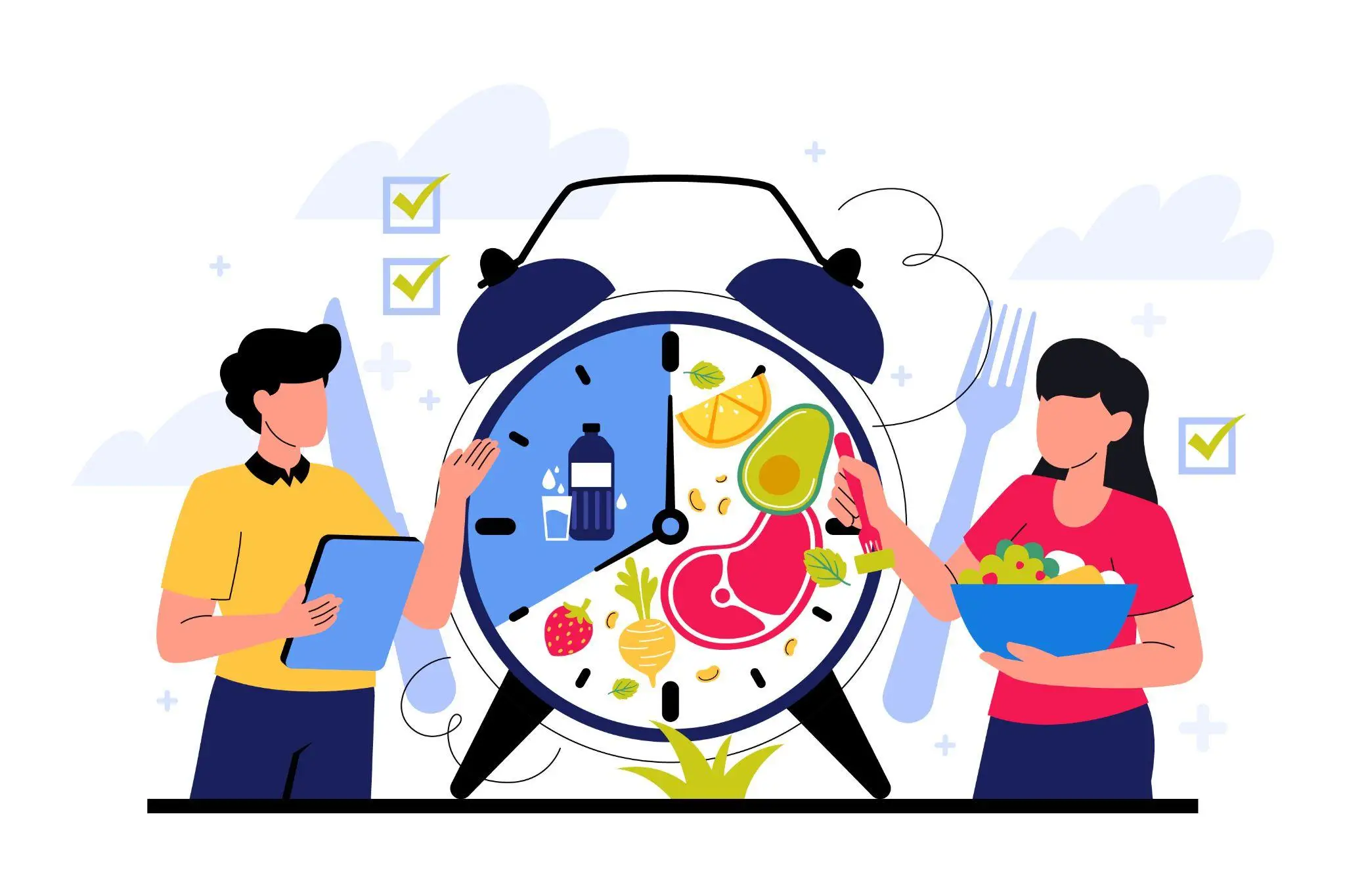
Ignore the internet version with twelve identical containers. The meal prep that actually changes a week takes one hour: wash and chop the produce, cook one big pot of a base carb, prep one protein, stir together one sauce, portion out snacks. That’s the whole thing. This bit of batch cooking turns weeknight cooking from “create dinner” into “assemble dinner,” which is a completely different sport at 6 PM.
Ingredient Cross-Use to Avoid Waste
Buy things that show up in multiple meals. A tray of roasted vegetables becomes Monday’s grain bowl, Wednesday’s wrap filling, Friday’s pasta situation. Overlapping ingredients are how the crisper drawer stops being a graveyard for good intentions. Everyone has thrown away that bag of spinach. Smart leftovers mean buying once and using three times – food waste drops to almost nothing.
A Sample Budget-Friendly Weekly Meal Plan
The Structure of a 5-Night Plan
A weekly meal plan that survives real life looks like this: two cook-once-eat-twice dinners, two fast dinners under twenty minutes, one pantry or freezer night. Notice what’s missing – novelty. Easy weeknight meals need to be reliable, not exciting. Budget dinners that repeat every month still beat takeout repeating every week.
Example Meal Set, Swap-Friendly
Cheap meal ideas that bend with the sales flyer: a big pot of chili or lentil soup, sheet pan chicken with whatever vegetables were cheap, fried rice made from leftovers, pasta with white beans or tuna, and breakfast-for-dinner for when morale is low. Sheet pan meals and pantry recipes keep the format and swap the protein. Fast dinners follow the template. The flyer picks the details.
Keep It Running: Leftovers, Freezer, and No-Cook Nights
Leftover Rules That Prevent Food Fatigue
Two rules keep leftovers ideas from dying of boredom. One: leftovers are lunch, automatically, no debate. Two: one night a week is remix night – last night’s chicken shows up in quesadillas and nobody technically ate the same thing twice. Remix meals are the difference between a system that lasts and one that gets abandoned by week three.
Freezer Inventory and Backup Meals
Keep three to five backup dinners in the freezer at all times: dumplings, soup, frozen vegetables, cooked grains. Backup dinners have exactly one job – standing between a bad day and a $50 delivery order. Quick meals from the freezer cost a fraction of takeout and honestly arrive faster.
No-Cook Options for Overload Days
Some nights, nobody is cooking. That’s not failure – that’s Tuesday. No-cook meals go in the plan on purpose: sandwiches, yogurt and fruit, snack plates, a grocery store rotisserie chicken stretched across two dinners. Quick family meals that never touch the stove aren’t cheating. They’re realistic meal planning with the dignity left in.
Common Budget Meal Planning Mistakes and Better Fixes

Overplanning and Buying Too Many New Ingredients
The classic meal planning mistake: five ambitious new recipes, forty-one new ingredients, a household in open revolt by Wednesday. The fix is almost insultingly boring – same breakfasts, same lunches, one new recipe per week maximum. Simple routines reduce overwhelm. Budget cooking runs on repetition, and the households who accept that are the ones still doing it in six months.
Ignoring Snacks and Drinks in the Budget
The snack budget is where grocery money goes to disappear. Family snacks and drinks can quietly cost more than dinners if nobody’s watching. Plan snacks, portion them, and kill the midweek “quick run” – the one that goes in for milk and comes out with $35 of stuff.
Conclusion: A Weekly Reset, Not a Lifestyle Overhaul
The Takeaway Routine to Repeat
Budget-friendly meal planning isn’t a personality change. It’s a loop. Set the rules. Plan five dinners – anchors, sales, freezer. Shop staples plus sales. Prep one hour. Keep backups standing by. Repeat, tweaking as you go, until the whole thing runs itself. Busy household meals don’t need perfection. They need a weekly reset simple enough to survive the worst week of the month – because that’s the week that counts.