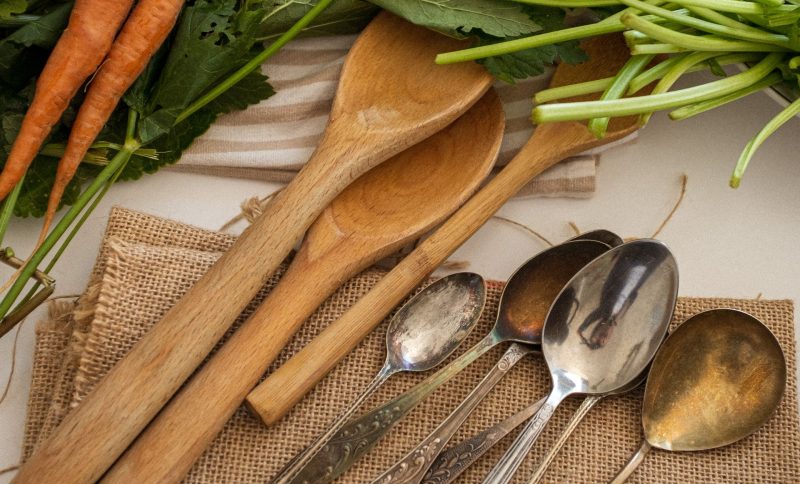
Every October my kitchen does the same thing without being told. The blender gets pushed to the back of the counter, the smoothie cups stop coming out, and a heavy pot moves onto the front burner and pretty much stays there until March. For years I thought that was just me getting lazy about breakfast. Then I started reading about Ayurveda, India’s traditional system of medicine, and found out that “eat warmer when it gets colder” is close to one of its core ideas.
You don’t need a whole philosophy to benefit. Many useful Ayurvedic habits are really cooking habits: what you eat when, how warm it is, and which spices go in the pan. All of it works with a regular American grocery store.
The Basic Idea: Match Your Plate to The Weather
Ayurveda describes the seasons in terms of qualities: cold or hot, dry or moist, heavy or light. Late fall in most of the US is cold, dry and windy. Midsummer in Georgia is hot and sticky. The traditional advice is to lean against the season a little. When it’s cold and dry outside, you go for foods that are warm, moist and a bit grounding: soups, stews, roasted root vegetables, oatmeal cooked with a pat of butter. When it’s hot out, you go for cooler, lighter things like cucumbers, melon, leafy salads and coconut water.
None of this will shock anyone who grew up on chicken noodle soup in January and watermelon on the Fourth of July. Ayurveda just turns the instinct into a plan. In late October I’d still be making the same raw kale salads I lived on in August, and I’d wonder why lunch left me feeling chilly and not very satisfied.
Warm Food, and Why the Temperature Itself Counts
Ayurvedic cooks care about how warm food is when it’s served, not only about what’s in it. Iced drinks with a meal are generally discouraged, and cooked food is usually preferred to raw, especially in cold weather or for anyone whose digestion is a bit touchy. The thinking is that warm, cooked food is easier to digest. Plenty of people simply feel more comfortable after a warm lunch than after a plate of cold raw vegetables.
In practice this changes less than you’d expect. Swap the giant glass of ice water at dinner for room-temperature water or a mug of herbal tea. Lightly steam or sauté the vegetables you’d normally eat raw. Warm up leftovers instead of eating them straight out of the fridge.
The Spice Drawer Does Most of The Work
If you only borrow one thing, make it the spices. A lot of Ayurvedic home cooking leans on a short list you can find in any supermarket baking aisle:
- Cumin: earthy and a little smoky. Toast the whole seeds in oil until they crackle and you’ll smell the difference.
- Coriander: lemony and soft, and a nice counterweight to cumin. Traditionally considered cooling.
- Fennel: sweet and licorice-y. A pinch of seeds after dinner is an old habit in Indian homes.
- Ginger: fresh in winter soups, dried in baking. Plenty of people reach for ginger tea when their stomach feels unsettled.
- Turmeric: mild, golden and a bit bitter. It’s best cooked in some fat with a little black pepper.
Cumin, coriander and fennel are such a classic trio that people brew them together as a simple tea. Here’s my weeknight version: put half a teaspoon each of whole cumin, coriander and fennel seeds in a small pot with about three cups of water, simmer for ten minutes, strain, and sip it warm through the afternoon. It’s mild and toasty, and mostly it replaces my third cup of coffee.
Kitchari: The One-Pot Meal Worth Learning
If Ayurveda has a comfort food, it’s kitchari. It’s a soft, savory porridge of rice and split mung beans, closer to a loose risotto than to anything you’d call a diet food. It’s cheap, filling and very forgiving.
Here’s how I make it for two. Rinse half a cup of white basmati rice and half a cup of split yellow mung beans (look in the bulk bins, the international aisle, or order online; red lentils work if that’s what you have) until the water runs mostly clear. In a heavy pot, warm a tablespoon of ghee or olive oil over medium heat. Add a teaspoon of cumin seeds and let them sizzle for about thirty seconds. Stir in a teaspoon of grated fresh ginger, half a teaspoon of ground coriander and half a teaspoon of turmeric, then add the rice and beans and stir until everything is coated. Pour in five to six cups of water, add a teaspoon of salt, bring to a boil, then cover and simmer gently for 30 to 40 minutes, stirring now and then, until it’s soft and porridgy. Throw in a handful of diced carrot, zucchini or spinach for the last ten minutes. Finish with lime juice and chopped cilantro.
On a gray November Tuesday, a bowl with a spoonful of plain yogurt is exactly what I want. Leftovers loosen up with a splash of water.
When You Eat Matters Too
Ayurveda has opinions about meal timing that line up surprisingly well with everyday common sense. Make lunch your biggest meal, when you’re most active. Eat a lighter dinner, and not too close to bedtime. Try not to snack all day so that you actually feel hungry when a meal comes around. And eat sitting down, without your phone, paying some attention to the food.
That last one is the hardest for me. I’m a chronic over-the-sink eater. But on the days I sit down for twenty minutes with a bowl of soup and nothing else, I notice when I’m full, and I don’t go hunting for something sweet an hour later. Try it for a week and see.
Where General Tips Stop Being Enough
Here’s the honest part. Everything above is general, the kind of food advice that’s reasonable for most healthy adults to try. Ayurveda itself, though, is built around the individual. Two people can follow the same “eat warm in winter” advice and react completely differently, because their bodies, routines and health histories aren’t the same. A practitioner would ask about your sleep, digestion and energy before suggesting anything specific.
So if you’ve been playing with these ideas and want something tailored to you, like which foods suit you, how to adjust your meal timing, or why a certain season always knocks you off balance, it can make sense to talk with a trained practitioner. One option is a free online Ayurveda consultation, a private one-on-one conversation with verified Ayurvedic doctors who hold BAMS or MD (Ayurveda) qualifications. You describe what’s going on, and they help put together a personal plan.
One important caveat: if you have a diagnosed medical condition, are pregnant, or take prescription medications, talk to your regular doctor before changing your diet significantly or adding herbs and concentrated spice supplements. Turmeric and ginger in cooking amounts are everyday foods, but larger amounts can interact with some medications. Ayurvedic guidance works best alongside your usual medical care, not in place of it.
Start with One Pot
You don’t have to overhaul anything. Make a pot of kitchari this weekend. Toast some cumin seeds before your next batch of roasted vegetables. Swap the ice water for something warm with dinner. Then notice how you feel. Eating with the seasons isn’t an exotic system to master, just a set of cooking habits that get easier each time.