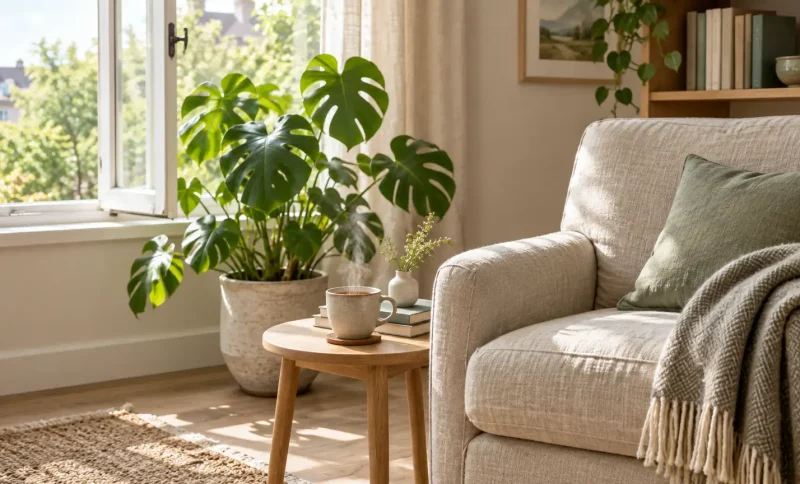
Looking after your mental health doesn’t have to involve expensive wellness retreats, complicated routines, or major lifestyle changes. Sometimes, small adjustments to everyday life can make a meaningful difference.
Home is where people cook, relax, work, and connect with loved ones. It’s also where stress can build up. Creating healthier habits can make your surroundings feel supportive.
Research into mental well-being and self-care highlights the value of balanced meals, physical activity, quality sleep, and social connections. You can start these habits at home.
Make Emotional Self-Care Part of Your Daily Routine
Mental well-being deserves the same attention as physical health. Building moments of emotional care into your schedule can make managing everyday stress easier.
Explore professional support from home
Self-care habits can help with daily stress, but sometimes you need additional support.
For people with busy schedules, online therapy offers a convenient way to connect with licensed mental health professionals without traveling to an office. Depending on the service, appointments may take place through video calls, audio sessions, or secure messaging.
This flexibility can help people balance work, childcare, or other responsibilities.
Speaking with a qualified therapist may help individuals understand their emotions, develop coping strategies, and work through ongoing challenges. When choosing a service, consider the therapist’s qualifications, privacy protections, appointment availability, and cost.
Create a calming morning routine
How you begin the morning can influence how prepared you feel for the day.
Instead of checking emails or scrolling social media right away, give yourself a few quiet minutes.
Making breakfast, enjoying tea, or gently stretching can create a more comfortable start.
A simple routine might include eating breakfast, writing down three priorities, and taking a few slow breaths before beginning work.
The goal isn’t perfection. It’s creating space before daily responsibilities take over.
Permit yourself to rest
People often treat rest as something you must earn after completing every task.
Yet household jobs, work responsibilities, and personal commitments rarely disappear completely.
Reading a book, watching a favorite television program, or gardening can provide a welcome change of pace.
Rest doesn’t have to be productive to be worthwhile.
Use Food, Movement, and Your Home Environment to Feel Better
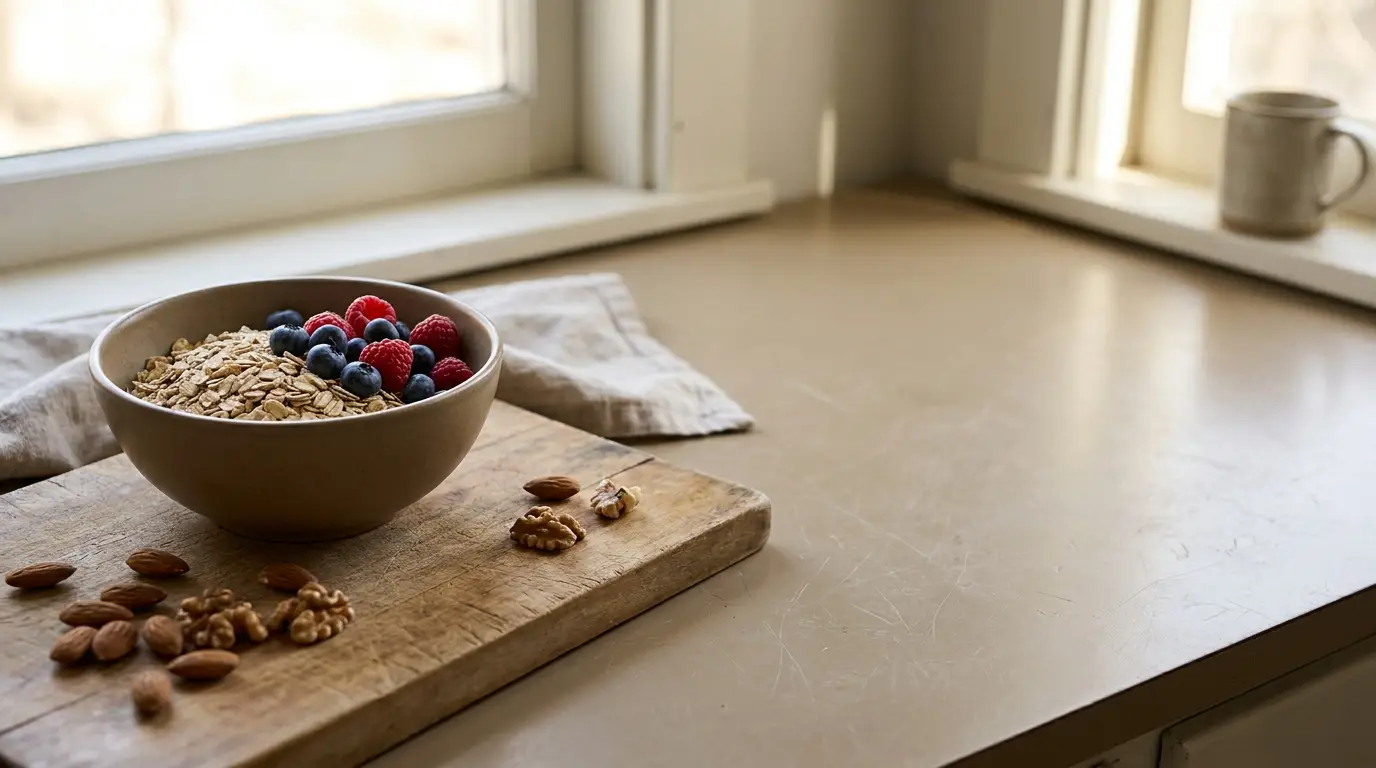
Physical habits and emotional well-being are closely connected. Small changes to meals, movement, and your living space can help build a healthier routine.
Enjoy regular, balanced meals
When life gets busy, it’s tempting to skip meals or eat whatever is available.
Eating balanced meals regularly can support energy and concentration.
The National Institute of Mental Health recommends healthy meals, adequate hydration, physical activity, and sufficient sleep as part of mental health self-care.
Meals don’t need to be elaborate to be nourishing.
Porridge topped with berries, scrambled eggs on wholegrain toast, or homemade vegetable soup can provide satisfying options without requiring hours in the kitchen.
Keeping simple ingredients on hand makes meal prep easier when motivation is low.
Useful kitchen staples include:
- Frozen vegetables for soups and stir-fries
- Eggs, beans, and lentils
- Wholegrain bread, oats, and rice
- Fresh fruit and yogurt
- Nuts and seeds
Cooking can also become an enjoyable break. Trying a new recipe or cooking with a loved one offers a chance to slow down.
Move your body in ways you enjoy
Exercise doesn’t have to mean intense workouts or expensive equipment.
Walking around the neighborhood, dancing while you clean, stretching in the living room, or gardening can add more movement to your day.
Physical activity supports overall health and can help improve mood and reduce symptoms of anxiety.
Choose activities that feel manageable and enjoyable. Someone who dislikes structured workouts might prefer a short walk after lunch, while another person may enjoy gentle yoga.
Consistency matters more than creating an exhausting fitness routine.
Make your surroundings more relaxing
Your home environment can influence how comfortable and settled you feel.
Clutter, constant background noise, or a distraction-filled workspace may contribute to frustration.
Small changes can make shared spaces more pleasant.
When weather allows, open windows, add comfortable lighting, organize frequently used areas, or create a quiet reading corner.
There’s no need to redecorate your entire home. Even clearing a bedside table can make a space feel more relaxing.
Protect Your Sleep and Stay Connected With Others
Getting enough sleep and maintaining meaningful relationships are two important habits that can slip during stressful periods.
Build a relaxing bedtime routine
A consistent sleep schedule supports physical and mental well-being.
Try to keep similar bedtimes, limit late-night screen use, and create a comfortable sleeping environment.
A warm shower, relaxing music, or reading before bed may help you unwind.
If worries arise at bedtime, writing tomorrow’s tasks on paper can help organize your thoughts.
Keep meaningful connections alive
Spending more time at home doesn’t have to mean feeling disconnected.
A phone call with a friend, a family dinner, or a video chat with someone far away can provide valuable connection.
The World Health Organization highlights the importance of supportive environments and relationships for mental well-being.
You don’t need a packed social calendar. Meaningful interactions can be more rewarding than constant communication.
Small Everyday Choices Can Create a Healthier Home Life
Supporting your mental health from home is less about following a strict wellness plan and more about finding habits that fit your lifestyle.
Regular meals, enjoyable movement, restful sleep, quiet moments, and supportive relationships can contribute to a healthier routine.
Some days will feel easier than others. During stressful periods, a simple meal, a short walk, or reaching out to someone you trust can be a manageable starting point.
If emotional difficulties persist, worsen, or interfere with everyday responsibilities, professional mental health support may be appropriate.
The aim isn’t to eliminate every stressful moment. It’s to make your home a place where looking after yourself feels natural, practical, and possible.