


Women’s fitness is undergoing a welcome transformation. Instead of focusing exclusively on weight loss, calorie counts and achieving a particular body shape, more conversations about exercise are emphasizing strength, mobility and long-term health. It’s an approach that recognizes how women’s physical needs evolve throughout adulthood, particularly as hormonal changes, career demands and family responsibilities influence everyday routines. The goal isn’t to exercise harder with every passing year, but to make informed choices about movement, recovery and overall well-being. From strength training to restorative activities, building a fitness routine that adapts to your body can make staying active both more rewarding and more sustainable.
Understand Your Body’s Changing Needs
A woman’s relationship with exercise can change considerably throughout adulthood. Whether you’re navigating the physical demands of your 30s, adjusting to your 40s or entering menopause, understanding how your body responds to activity can help you make more informed fitness decisions. Hormonal fluctuations may influence sleep, energy levels and recovery, although experiences vary widely. During the menopausal transition, declining estrogen levels can also contribute to changes in bone density and body composition. Rather than responding by dramatically increasing exercise intensity, consider whether your current routine provides enough strength training, cardiovascular activity and recovery time to support your changing needs.
It’s equally important to recognize that age alone doesn’t determine physical ability. A woman beginning strength training at 55 may have different goals from someone who has exercised consistently for decades, but both can benefit from progressive resistance exercises. Medical history, existing injuries and personal preferences should help guide decisions about workout intensity. If fatigue, joint discomfort or other symptoms begin interfering with exercise, discussing them with a healthcare professional may reveal issues worth addressing. Fitness should evolve through thoughtful adjustments rather than rigid assumptions about what women can or cannot accomplish at particular ages.
Prioritize Strength Over Appearance
Strength training offers benefits that extend well beyond visible muscle definition. Resistance exercises help preserve muscle mass, support bone health and improve the ability to perform everyday activities. These advantages become increasingly relevant with age, particularly as women face a greater risk of osteoporosis after menopause. Exercises such as squats, rows, lunges and presses engage major muscle groups and can be adapted for different experience levels. Beginners might start with resistance bands or lighter dumbbells, while experienced exercisers can gradually increase the weight they lift. The objective is to challenge muscles safely and consistently rather than pursue a particular appearance.
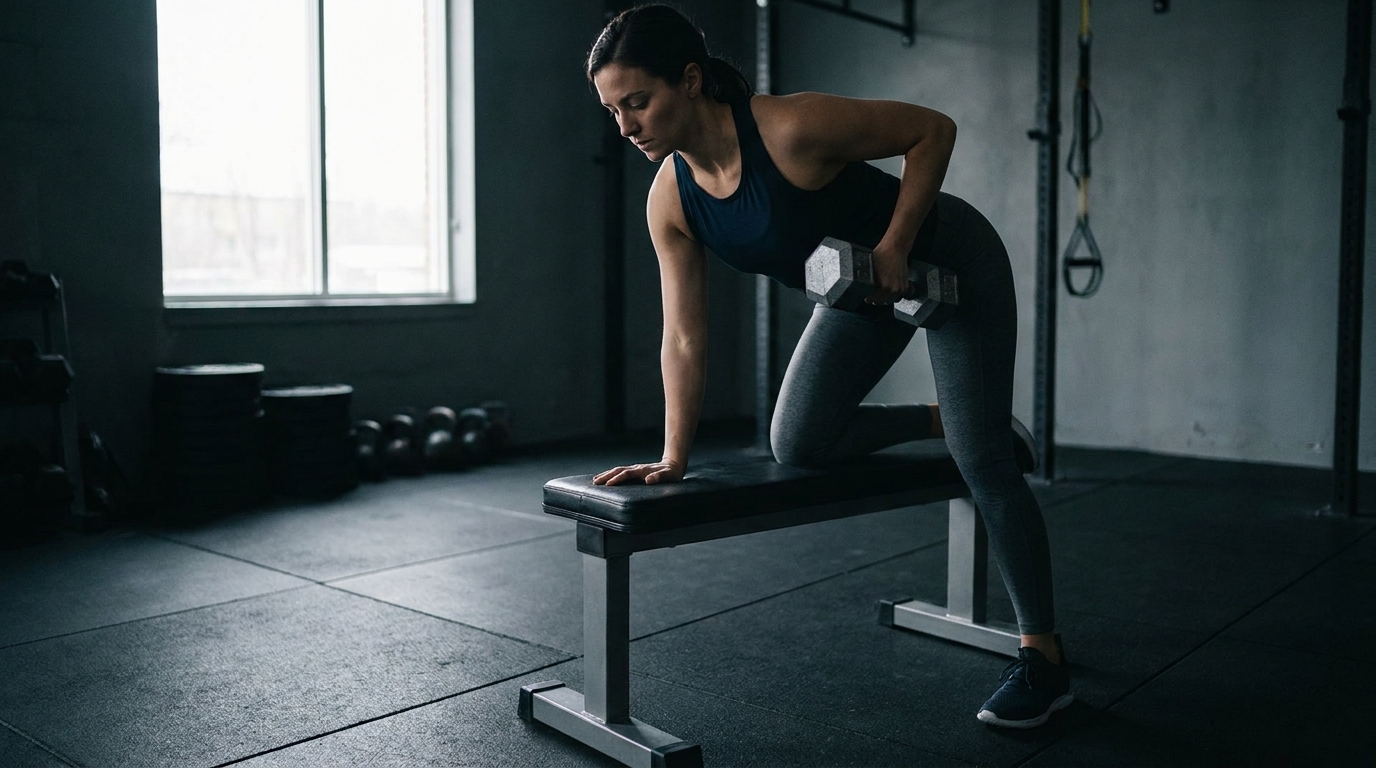
A balanced strength routine should address the upper body, lower body and core while allowing adequate recovery between demanding sessions. Two or three weekly workouts may be a practical starting point for many women, depending on their abilities and other activities. Learning proper technique is especially valuable when introducing unfamiliar movements or heavier resistance. Progress can be measured through increased strength, improved stability and greater confidence performing physical tasks. Being able to carry heavy shopping bags, move furniture or climb stairs comfortably represents meaningful progress, even when the bathroom scale remains unchanged.
Find a Supportive Fitness Environment
The right exercise environment can make a considerable difference in whether a fitness routine becomes a lasting habit. Whether comparing gyms in Tucson, Miami or Richmond, women should look for facilities that offer appropriate equipment, knowledgeable instructors and an atmosphere where members of different ages and abilities feel welcome. Access to free weights, resistance machines, cardiovascular equipment and dedicated stretching areas provides flexibility as fitness goals evolve. Convenient hours and manageable travel times are equally important, particularly for women balancing professional commitments and family responsibilities. A beautifully designed facility offers limited value if its schedule makes regular attendance impractical.
Consider the quality of instruction alongside the available amenities. Trainers should be able to explain exercise modifications, accommodate physical limitations and develop programs that reflect individual goals. Women interested in group fitness might appreciate Pilates, yoga, cycling or strength-focused classes, provided the schedule allows consistent participation. Clean changing facilities, secure lockers and transparent membership terms also contribute to a positive experience. Before joining, request a tour or trial session during your preferred workout hours. Observing class sizes, equipment availability and staff interactions can reveal whether the environment genuinely meets your expectations.
Balance Cardio With Recovery
Cardiovascular exercise remains an important part of women’s health, supporting heart function, endurance and overall physical fitness. Brisk walking, swimming, cycling and dancing offer accessible ways to increase activity without requiring every session to feel exhausting. Moderate-intensity exercise can be particularly useful for building consistency, while more demanding intervals may appeal to women who enjoy vigorous workouts. Recovery deserves similar attention. Adequate sleep, rest days and lighter movement sessions help the body adapt to exercise. Persistent fatigue or declining performance may indicate that training demands need adjustment rather than another challenging workout.
Make Wellness a Lifelong Practice
A sustainable fitness routine should accommodate changing priorities without making women feel that every interruption represents failure. Travel, demanding work schedules, caregiving responsibilities and periods of illness can temporarily affect exercise habits. Maintaining flexibility allows movement to remain part of everyday life without creating unnecessary pressure. Setting realistic weekly goals, choosing enjoyable activities and recognizing improvements beyond physical appearance can help sustain motivation. Nutrition also matters, particularly adequate protein intake and sufficient calcium and vitamin D to support muscle and bone health. Individual dietary needs vary, making personalized guidance useful when specific health concerns arise.
Women’s fitness isn’t about maintaining the same body or workout routine indefinitely. It’s about developing the strength, resilience and confidence to remain active through every stage of adulthood.