


Cold winter days call for comforting drinks, but there’s no reason to limit the menu to traditional hot chocolate and sugary coffee beverages. Homemade winter drinks can provide valuable nutrients while offering the warmth, flavor and satisfaction people crave when temperatures drop. From creamy fruit blends to soothing herbal infusions, these five recipes combine seasonal ingredients with practical health benefits. Most require just a few minutes of preparation and use ingredients readily available at grocery stores throughout the colder months.
Creamy Cinnamon and Apple Oat Drink
Apples, oats and cinnamon create a naturally sweet beverage that works particularly well as a warming breakfast alternative. To prepare it, combine one peeled, chopped apple, ¼ cup rolled oats, one cup milk or fortified plant-based milk, ½ teaspoon cinnamon and one teaspoon maple syrup in a small saucepan. Simmer for approximately 10 minutes, until the apple softens and the oats become tender.
Remove the saucepan from the heat and use an immersion blender to puree the ingredients until smooth. Allow the mixture to cool slightly before blending to reduce the risk of hot splashes. Add more milk if the consistency becomes too thick, then serve warm with an additional sprinkle of cinnamon.
Oats contain beta-glucan, a soluble fiber associated with improved cholesterol levels when consumed regularly in sufficient amounts. Apples contribute additional fiber, while cinnamon provides flavor without requiring excessive added sugar. Using dairy milk or fortified soy milk also adds protein, making this drink more satisfying than many traditional sweetened winter beverages.
Creamy Avocado and Banana Smoothie
A ripe avocado can transform an ordinary fruit drink into a rich, satisfying breakfast or afternoon snack. For this recipe, combine half a ripe avocado, one banana, one cup unsweetened almond milk, ½ teaspoon vanilla extract and a pinch of cinnamon in a blender. Blend until completely smooth, adding a little extra milk if necessary.
Unlike many fruit-based beverages, avocado smoothies provide substantial amounts of monounsaturated fats, which can support cardiovascular health when they replace saturated fats in the diet. Avocados also contain fiber, potassium and folate, while bananas contribute carbohydrates and additional potassium.
The combination of fiber and healthy fats makes this drink particularly appealing for people seeking a more filling alternative to fruit juice. For additional protein, substitute fortified soy milk or dairy milk for almond milk, or incorporate a few tablespoons of plain Greek yogurt. Using a room-temperature banana instead of frozen fruit also makes the drink more comfortable to enjoy during colder weather.
Ginger, Turmeric and Orange Tea
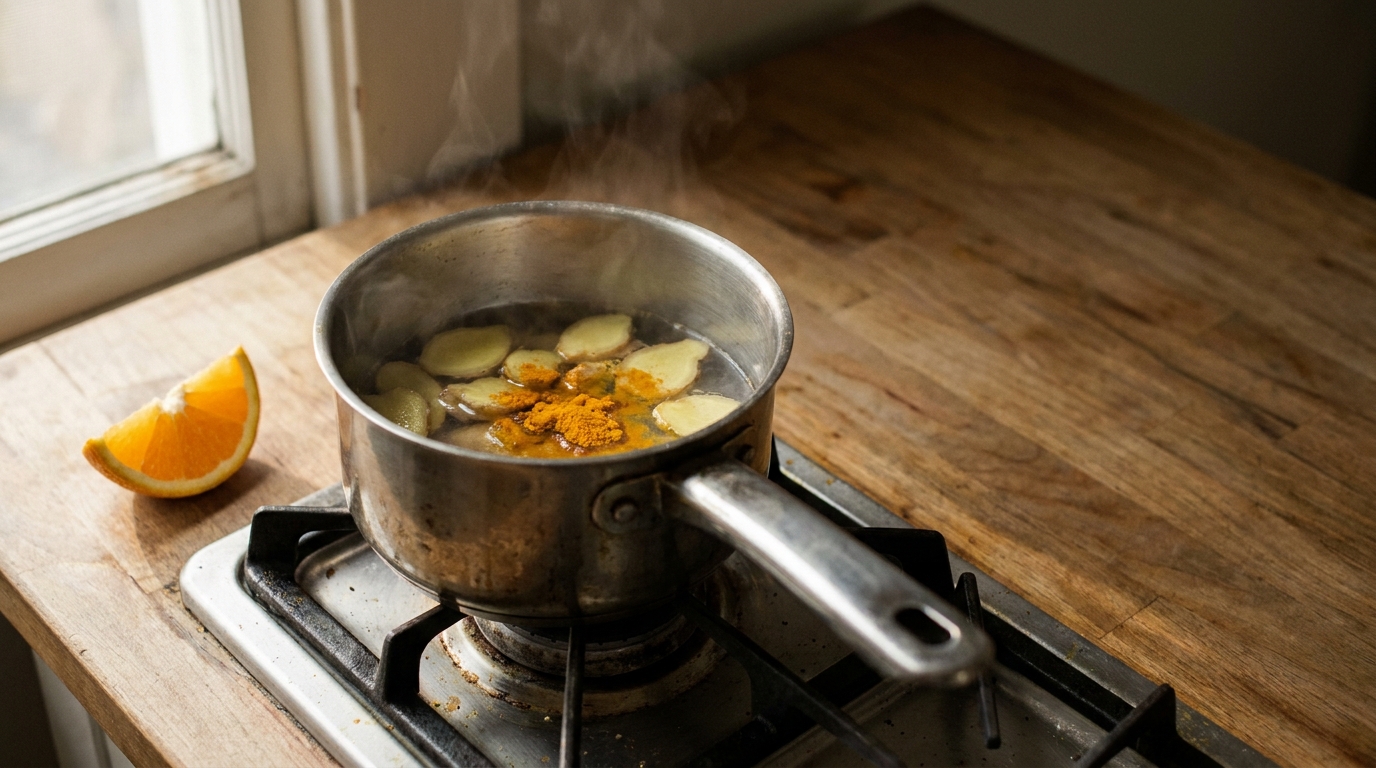
Fresh ginger and turmeric bring bold flavor to a warming citrus drink that requires minimal preparation. Add one cup of water, four thin slices of fresh ginger and ¼ teaspoon ground turmeric to a saucepan. Simmer gently for approximately eight minutes, then remove from the heat and stir in two tablespoons of freshly squeezed orange juice and one teaspoon honey, if desired.
Ginger contains naturally occurring compounds called gingerols, which have been studied for their anti-inflammatory properties and potential benefits for nausea. Turmeric contains curcumin, another compound investigated for its antioxidant and anti-inflammatory activity. However, the small quantities used in beverages should not be expected to produce the effects associated with concentrated supplements.
Orange juice contributes vitamin C, a nutrient involved in normal immune function and collagen production. The warm liquid also helps maintain hydration, which can be overlooked during winter when people may experience less thirst. This recipe offers a flavorful alternative to caffeinated beverages, particularly in the evening.
Warm Berry and Vanilla Milk
Frozen berries provide an easy way to enjoy fruit during winter without depending on fresh seasonal availability. To make this drink, combine ½ cup frozen blueberries or mixed berries, one cup milk, ¼ teaspoon vanilla extract and a pinch of cinnamon in a saucepan. Heat gently until the berries soften, then blend until smooth and serve warm.
Blueberries, raspberries and blackberries contain anthocyanins, naturally occurring plant pigments responsible for their deep red, blue and purple colors. These compounds have antioxidant properties and are being studied for their potential contributions to cardiovascular and metabolic health.
Berries also provide dietary fiber and vitamin C, although prolonged heating can reduce some vitamin C content. Milk contributes protein and calcium, while fortified varieties may supply vitamin D, a nutrient involved in bone health and normal immune function. Unsweetened milk and the natural sweetness of berries help keep added sugar to a minimum.
Spiced Pear and Rooibos Tea
Pears and rooibos tea create a naturally caffeine-free winter beverage with a mild sweetness and warming spice. Bring two cups of water to a gentle simmer with one sliced pear, one cinnamon stick and two whole cloves. Cook for approximately 10 minutes, remove from the heat and add two rooibos tea bags. Steep for five minutes before straining into mugs.
Rooibos contains plant compounds with antioxidant activity, although evidence for specific health benefits in humans remains limited. Its lack of caffeine makes it suitable for people looking to reduce stimulant intake later in the day.
The pear contributes natural sweetness, reducing the need for added sugar. For additional dietary fiber, eat the softened pear slices rather than discarding them after steeping. Served warm, this fragrant drink offers a satisfying way to increase fluid intake without relying on heavily sweetened beverages.