


I’m a huge fan of recipes that are full of flavor but don’t require hours in the kitchen, and chicken kelaguen is one of those dishes that really delivers.
If you’ve never tried chicken kelaguen before, don’t worry. This traditional Chamorro recipe from Guam is beginner-friendly and the steps are easy to follow with a little basic kitchen experience.
My favorite thing about this dish is how easily you can make it your own. Unlike heavy, complicated meals, this light, refreshing dish can be made with simple ingredients you can find at most grocery store.
So, if you want something a little different for dinner, give this one a try. You might just find yourself making it again next week. I’ll walk you through the five steps, how long to plan for and three swaps with shrimp, fish or tofu.
What is Chicken Kelaguen?
Chicken kelaguen is a Chamorro dish from Guam and the Marianas, known for its bold, tangy flavor.
Traditionally, grilled chicken is finely chopped and marinated in citrus juice, usually lemon, then tossed with shredded coconut, green onions and spicy peppers.
Calamansi is especially valued for its bright, tangy flavor, while lemon is an easy alternative. Served cold or at room temperature, the dish is a festive part of Chamorro gatherings, enjoyed with rice or tortillas.
Its roots run deep in Guam’s culture, representing resourcefulness, community and the tropical flavors of the Pacific islands. It’s a lovely way to enjoy the fresh tropical flavors of Guam, with a little heat if that’s how you like it.
Ingredients You’ll Need
|
How to Make Chicken Kelaguen at Home
Making traditional-style chicken kelaguen is pretty simple once you know the right steps. Getting the timing and technique right makes all the difference, so here’s how to prepare it.
Step 1: Grill and Cool the Chicken
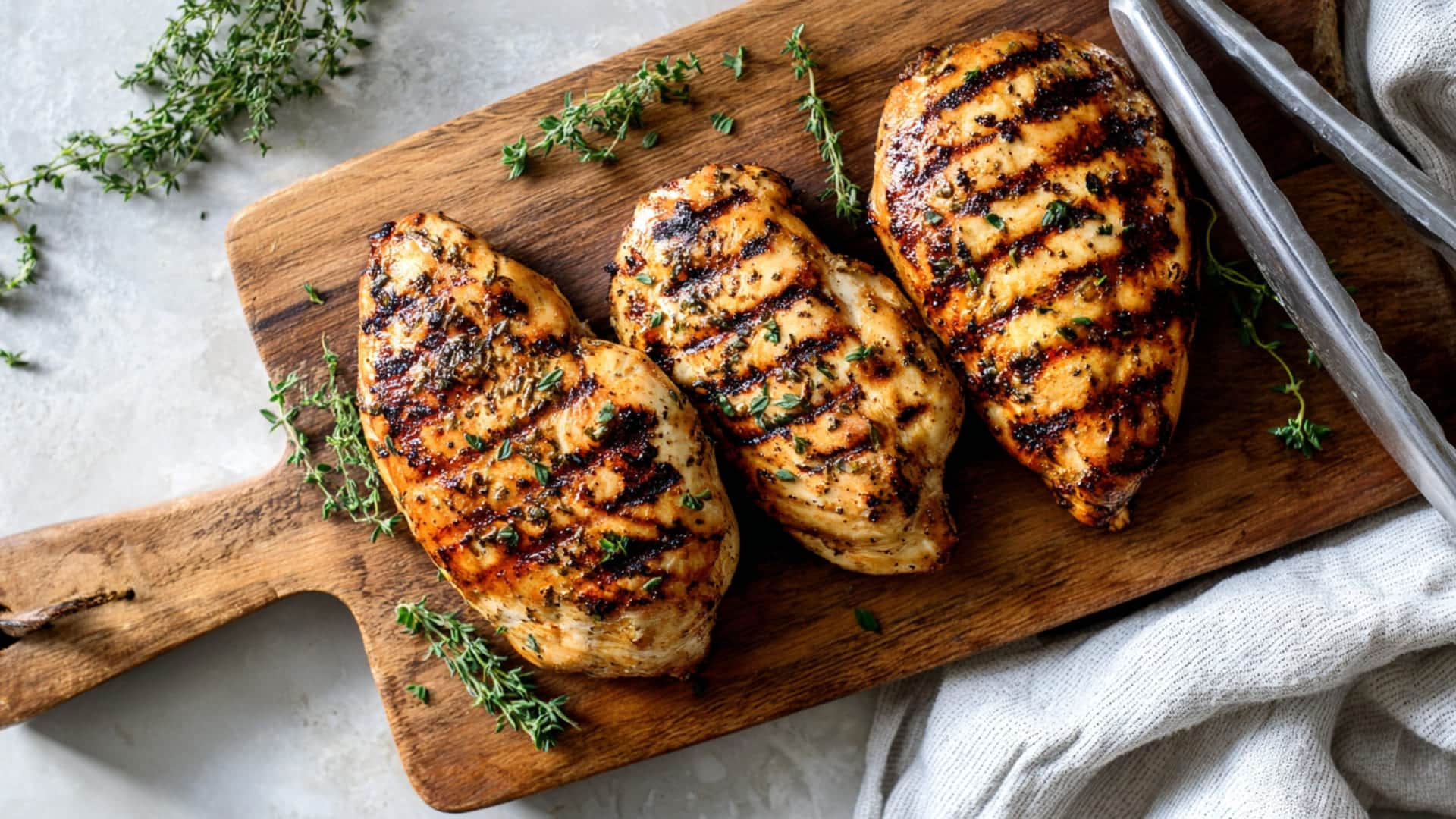
Start by grilling the chicken over medium-high heat until the thickest part reads 165°F (74°C) on a food thermometer and has a slight char, which usually takes about 20 to 25 minutes.
The grilling process locks in flavors and adds a smoky touch. Once done, let the chicken cool enough to handle, so it remains juicy when shredded.
If you’ve got extra cooked chicken in the fridge, these rotisserie chicken meal prep ideas are worth keeping handy for another easy dinner.
Pro Tip: I like to use grilled chicken for that lovely smoky flavor, but if you’ve already got some cooked chicken in the fridge, that’ll work too. No need to make extra work for yourself.
Step 2: Shred the Chicken
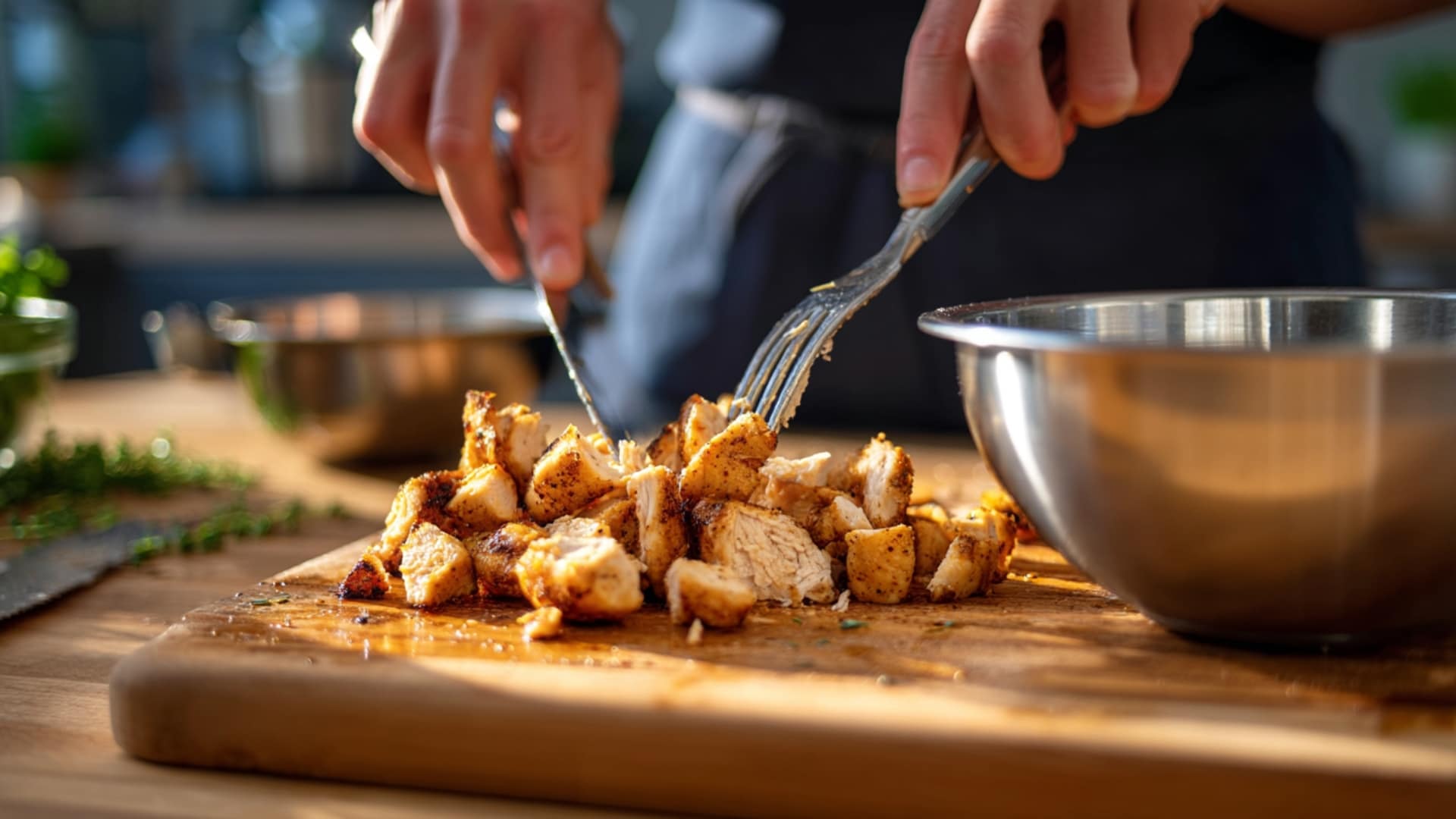
Once the grilled chicken has cooled enough to handle, carefully remove the skin. Then, shred or chop the meat into small, bite-sized pieces.
The key is to make the pieces fine enough to absorb marinade flavors thoroughly while keeping a light, flaky texture. This shredding step is vital for creating authentic chicken kelaguen.
Pro Tip: I find using two forks makes shredding the chicken really simple. Don’t worry if some pieces are a little bigger than others, just aim for small pieces that can soak up all that lovely lemon flavor.
Step 3: Mix in Lemon Juice and Salt
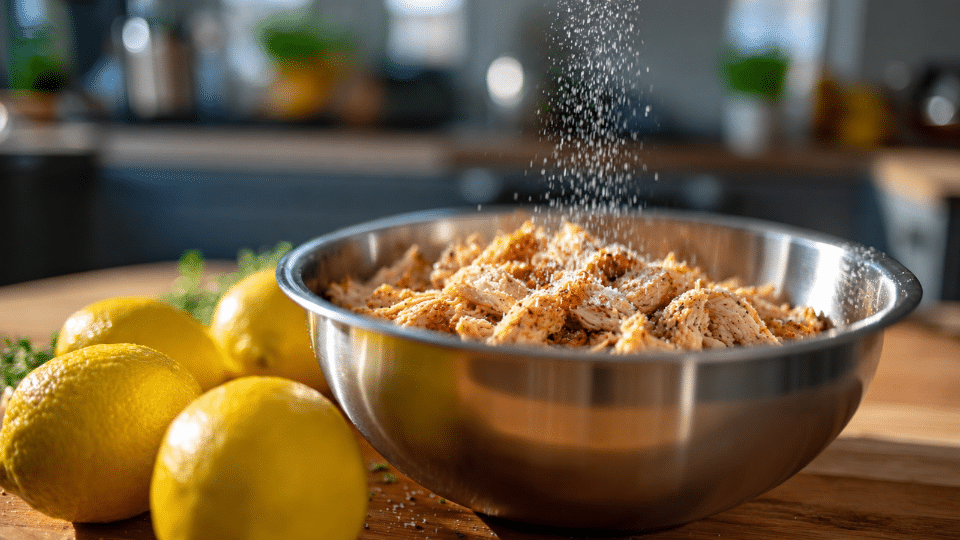
Transfer the shredded chicken into a large mixing bowl. Pour freshly squeezed lemon juice generously over the chicken and sprinkle with salt.
Toss the mixture thoroughly to coat every piece, ensuring the citrus juice tenderizes and infuses the chicken with its iconic bright and tangy flavor.
I love how lemon brings out the chicken’s flavor without much effort. If you’re a fan of that combination too, try this chicken piccata with angel hair pasta for another lemony chicken dinner.
Pro Tip: Cover the bowl and let the mixture marinate in the fridge for at least 30 minutes for maximum zest and tenderness.
Step 4: Add Coconut, Onions, and Peppers
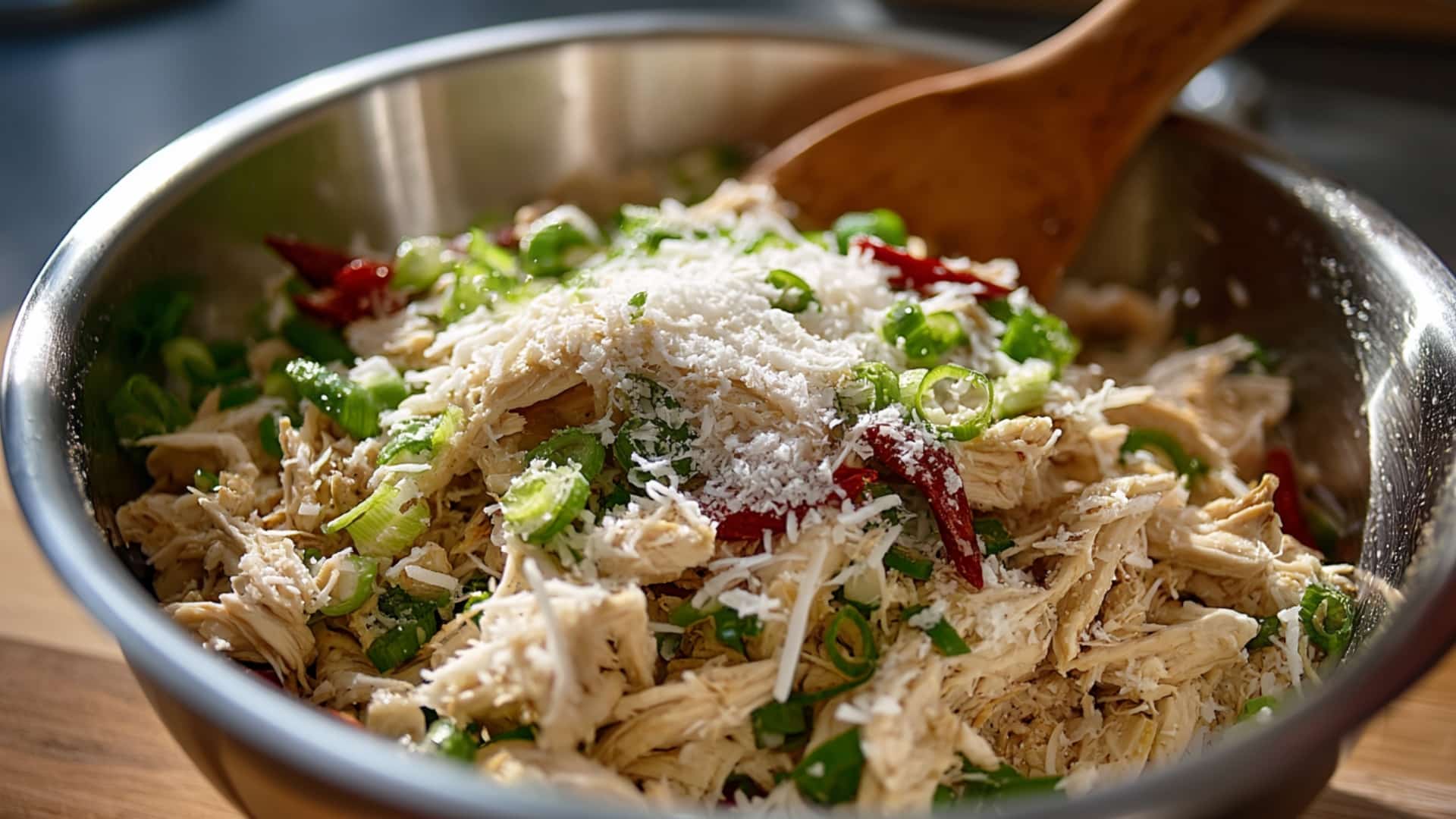
Next, gently fold in the freshly grated coconut along with finely chopped green onions, minced white onion, and hot chile peppers.
Mix carefully to ensure even distribution without mashing the ingredients. These add layers of texture, sweetness, sharpness, and heat, creating the complex, fresh flavor profile that defines chicken kelaguen.
Freshly grated coconut gives kelaguen its soft texture and mild richness. with dried coconut, choose unsweetened coconut and soak it briefly in a little warm water before adding it. Drain any excess water so the chicken doesn’t become soggy.
Pro Tip: I like to start with fewer peppers and add more as I go. You can always make it spicier, but taking that heat away is a little trickier. The same goes for the coconut. Add enough to get the texture you enjoy.
Step 5: Chill, Garnish, and Serve
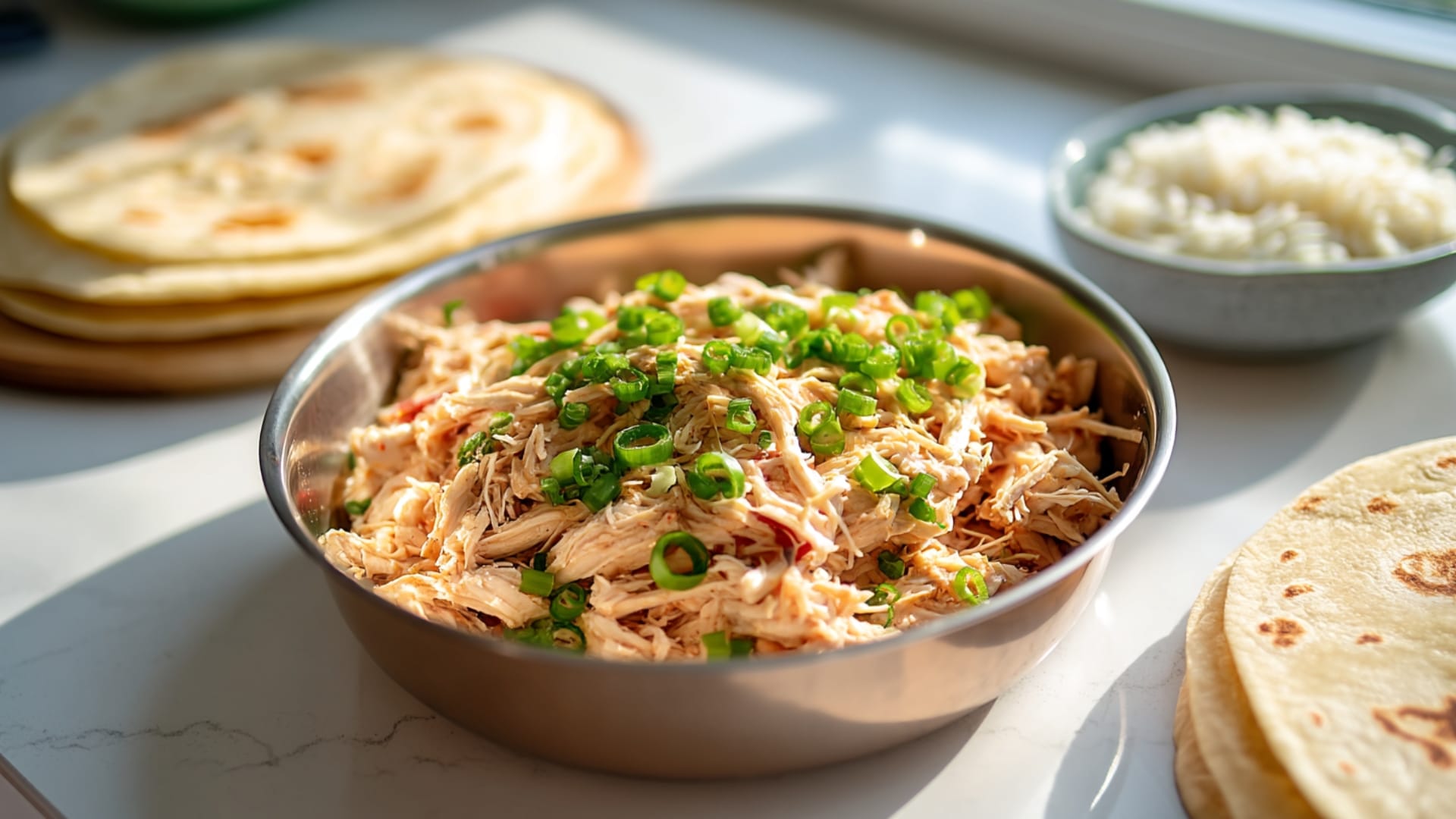
Chill the prepared kelaguen in the refrigerator for 1 to 2 hours to let all the flavors meld and deepen.
When ready, garnish with extra chopped green onions for a pop of color and freshness. Serve it cold or at room temperature alongside warm rice, tortillas, or titiyas to complement the bold, tangy notes of the dish.
Don’t leave it out for more than 2 hours, or 1 hour on a day above 90°F. Keep leftovers covered in the fridge and eat them within 4 days.
Pro Tip: I love the idea of serving this with warm rice or titiyas (traditional Chamorro flatbread). The warm bread with the cool, lemony chicken is such a good combination. Just keep the kelaguen chilled until you’re ready to serve.
Recipe Notes
This traditional Chamorro dish is perfect for any occasion, with most of the magic happening in the flavorful no-cook assembly.
|
INFORMATION |
DETAILS |
|---|---|
|
Prep Time |
15 minutes |
|
Cooking Time |
20-25 minutes (grilling chicken) |
|
Marinate and Chill Time |
1.5-2.5 hours |
|
Total Time |
About 2-3 hours (35-40 minutes hands-on) |
|
Method |
Grilling and no-cook assembly |
|
Yield |
Serves 6 |
|
Cuisine |
Chamorro, Pacific Island cuisine |
|
Difficulty |
Beginner-friendly, basic grilling skills helpful |
The hands-on work is quick. Most of the time is just waiting while it marinates and chills.
Kelaguen Recipe Variations You’ll Love
The beauty of kelaguen lies in its versatility. Each variation maintains the signature tangy, fresh flavors while offering something new to try.
1. Shrimp Kelaguen
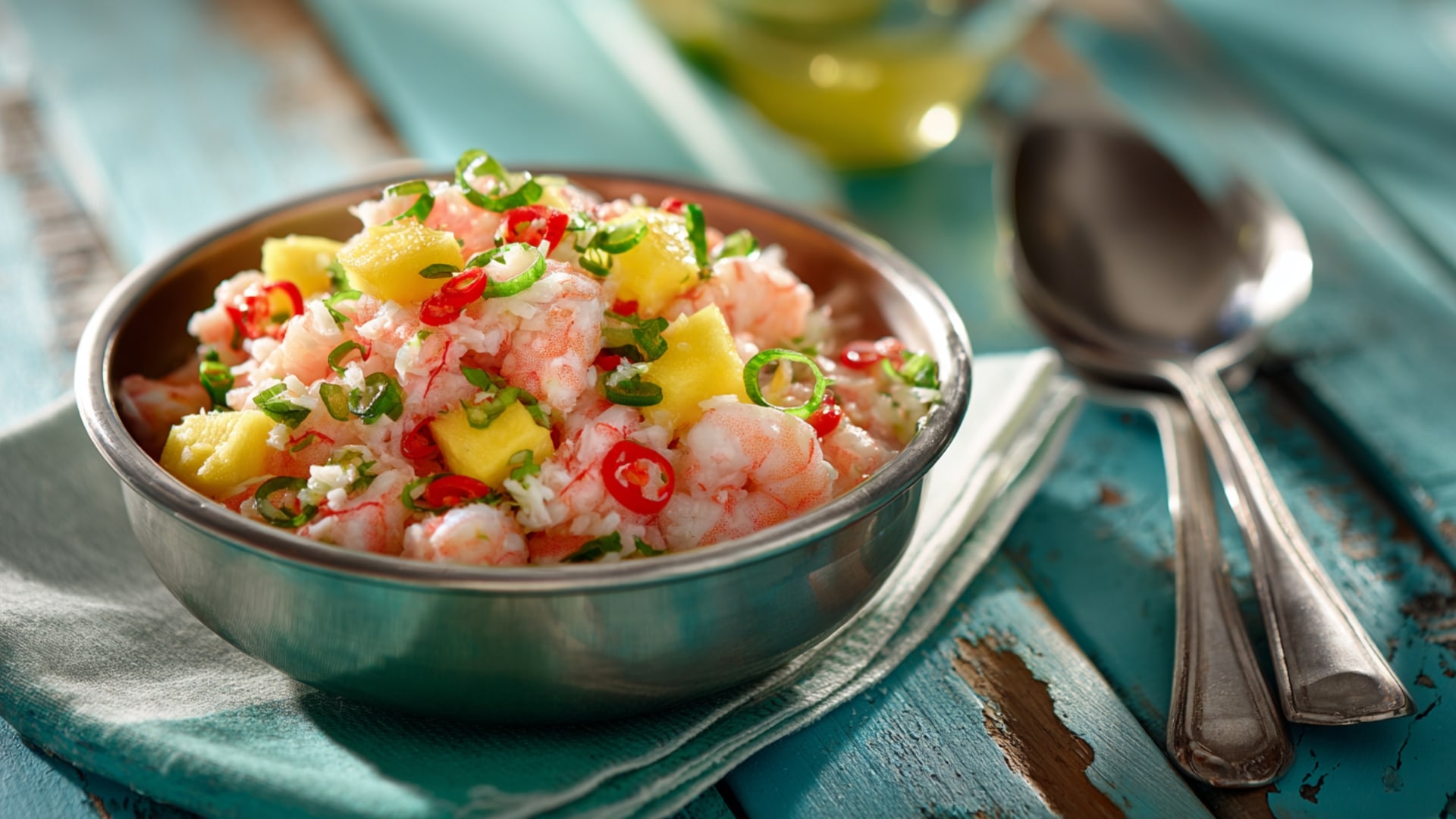
Swap out chicken for cooked, chopped shrimp to create a bright, ocean-inspired version of kelaguen.
This dish is popular at Guam fiestas, combining the sweet, briny flavor of shrimp with tangy lemon juice and fresh coconut. Add diced pineapple, mango or a squeeze of calamansi for an extra tropical twist.
Instructions: Chop or roughly mash cooked shrimp. Mix with lemon juice, grated coconut, chopped onions, and hot peppers. Chill for 1 to 2 hours to let the flavors come together, then serve cold over rice or with tortillas.
2. Fish Kelaguen
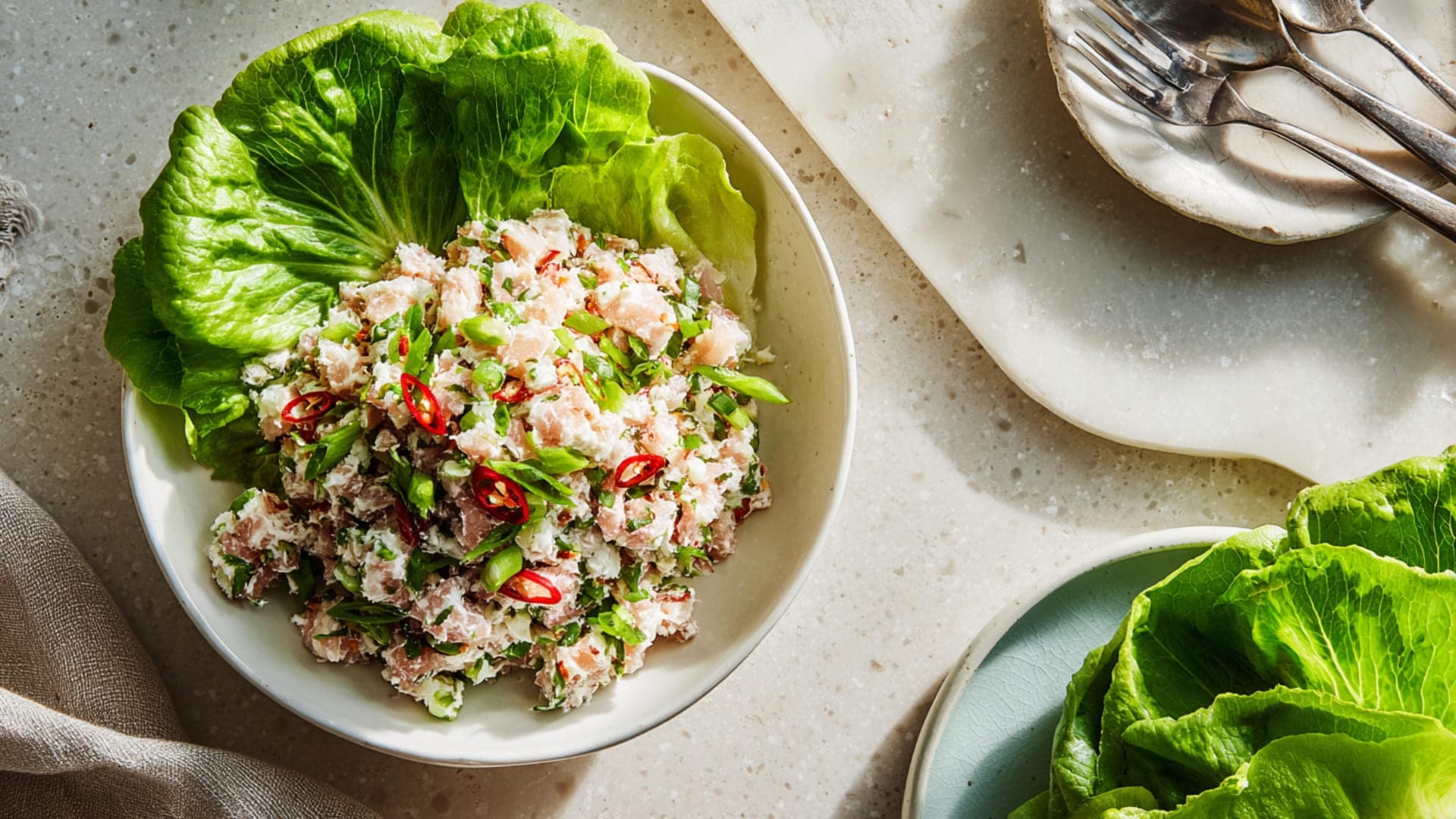
For an island classic, use finely diced raw fish such as fresh tuna or snapper. “Cook” the fish in lemon juice, like ceviche, and mix it with coconut, green onions, and spicy peppers.
Fish cooked in lemon juice is still raw fish, so buy fish that was frozen first. Freezing kills parasites, though it doesn’t kill all germs.
Fish Kelaguen is light, refreshing, and showcases the freshest seafood flavors in a simple, delightful way.
Instructions: Dice fresh fish into small pieces. Marinate in lemon juice for 30-60 minutes until opaque. Mix in grated coconut, onions, and chopped hot peppers. Serve chilled with rice or lettuce wraps.
3. Vegetarian Kelaguen
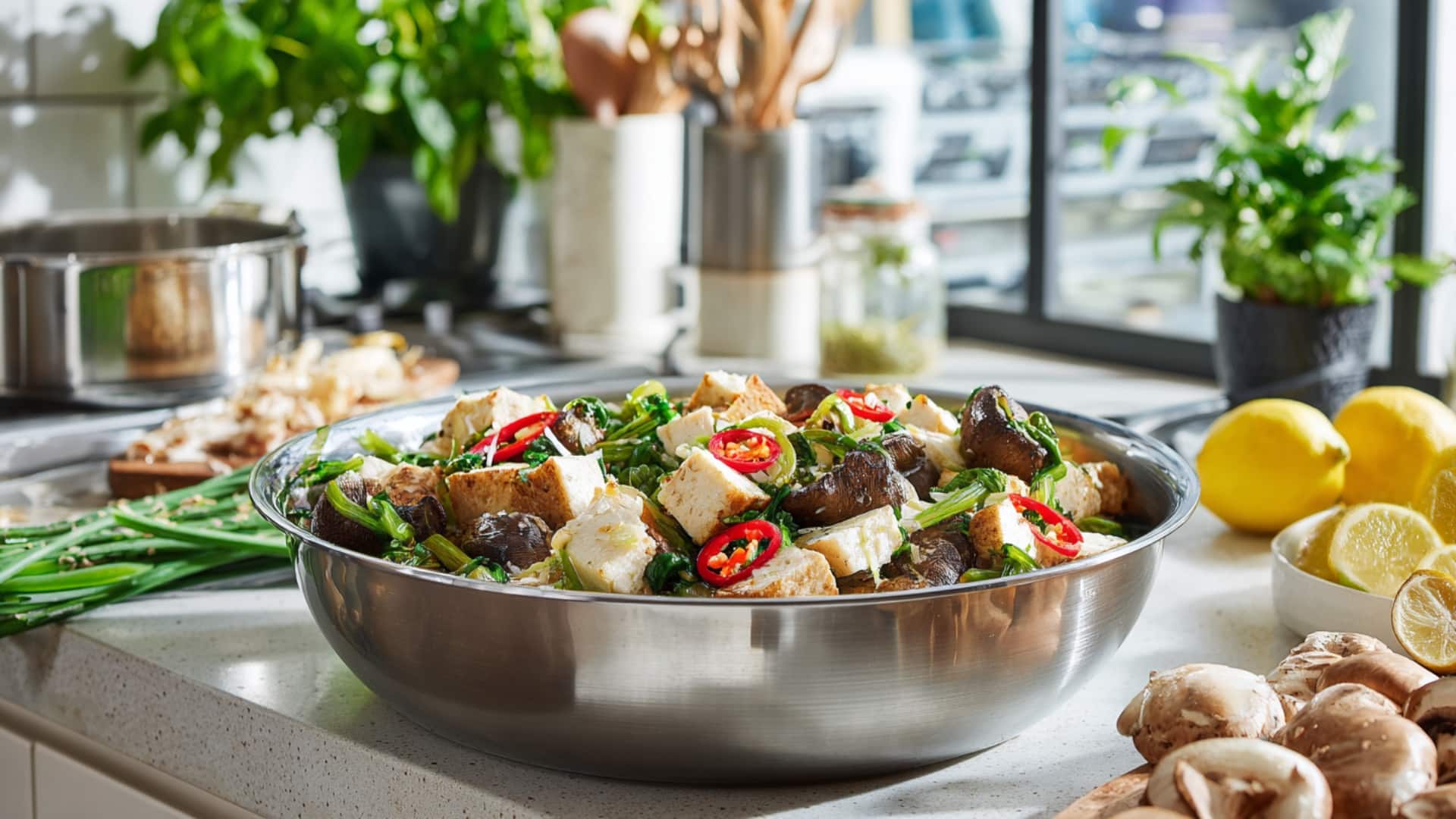
Swap meat for cubes of baked tofu or roasted mushrooms for a plant-based kelaguen.
Tofu absorbs the zesty lemon-coconut marinade while mushrooms add a meaty texture. This version keeps the bold tropical flavors. Use tofu if you want more protein, since mushrooms give a meaty bite but much less protein.
Instructions: Cube tofu or slice mushrooms and roast. Toss with lemon juice, grated coconut, diced onions, and hot peppers. Chill before serving. Enjoy with tortillas or salad greens.
Nutrition Facts
Chicken kelaguen isn’t just delicious; it’s also high in protein, and most of it comes from the chicken. Much of the fatcomes from the coconut, so use less coconut if you want it lighter.
|
NUTRIENT |
PER SERVING (1/6 of the recipe) |
|---|---|
|
Calories |
315-340 kcal |
|
Protein |
About 48 g |
|
Carbohydrates |
7-8 g |
|
Fat |
10-14 g |
|
Fiber |
2-3 g |
|
Sodium |
505-895 mg |
Note: These are estimates made with USDA FoodData Central values for roasted chicken breast. Dried coconut, dark meat or extra salt will raise them. Actual values may vary depending on ingredient brands and portion sizes.
Tips for Juicy, Flavorful Chicken Kelaguen Every Time
These simple tips will help you create the most flavorful chicken kelaguen with perfect texture every time. Follow these tips at home-
-
Always use freshly squeezed lemon juice for the brightest flavor.
-
Grill the chicken for a subtle, authentic smoky taste.
-
Marinate the shredded chicken in lemon juice and salt before adding other ingredients.
-
Add coconut and peppers gradually, tasting as you go.
-
Chill kelaguen before serving to let flavors fully develop and meld.
Tip: A little extra lemon or a few more peppers can make all the difference.If you enjoy making fresh, flavorful meals with simple ingredients, these mind diet recipes offer more ideas for everyday cooking.
Summing It Up
You don’t need to get everything perfect to make a good batch. Start with fresh ingredients, taste as you go and adjust things to suit you.
I like that you can adjust the recipe to suit whatever you have at home. Add a few more peppers if you enjoy spicy food, keep things mild for the family, or try one of the other kelaguen variations if you fancy something different.
Your family will love the bright, zesty taste that’s completely different from ordinary chicken dinners. It gets even better the next day!
Have you tried making kelaguen before? Drop a comment below and share your favorite tips or variations. I’d love to hear about your cooking experiences!
Frequently Asked Questions
Can Chicken Kelaguen be Made without Coconut?
Yes. You can skip the coconut or add chopped toasted almonds for crunch. But almonds won’t provide the same richness or soft texture, so the dish will taste different from traditional chicken kelaguen.
Is Chicken Kelaguen Gluten-Free?
The basic recipe is naturally gluten-free. Serve it with rice or certified gluten-free tortillas, and check any packaged coconut or seasonings.
Can I Use Lime Instead of Lemon?
Yes. Lime adds a sharper citrus flavor, while calamansi is another traditional choice in Chamorro cooking. Start with the same quantity and adjust to taste.



One Response
I am Randall David Burke and I like chicken ramen made in Vietnam and Japan because I’m from chinese