


Sweet, crisp and easy to pop in your bag. Apples are popular around the world, and they’re a simple way to get more fruit into your day. But does that old apple-and-doctor saying tell the whole story?
Knowing what your food contains helps you make choices that suit your needs. If you’re working towards weight loss, supporting your immune system or just trying to eat better, an apple has plenty to offer.
I like that apples don’t need much fuss. You can enjoy them as they are, and understanding their nutrition doesn’t need to be complicated either. So, let’s get into it!
What Makes Apples a Nutritional Powerhouse?
Compared with processed snacks that supply energy with little nourishment, apples give you several nutrients working together.
Their fiber, particularly soluble fiber called pectin, supports digestion, promotes gut health, and helps you feel fuller for longer. Apples are also rich in antioxidants, including flavonoids and polyphenols, which help protect your cells from oxidative stress and support overall well-being.
That doesn’t make an apple a cure for anything, but it does make it a useful everyday choice. A good snack can do more than fill a gap.
Their high water content helps keep you hydrated, while their natural fiber may support healthy cholesterol levels and better blood sugar management.
Apple Nutrition Facts: Complete Breakdown

Understanding the complete nutritional profile of a medium apple helps you appreciate why this simple fruit packs such impressive health benefits.
These are the nutrients you’re getting in each 182-gram apple, based on USDA FoodData Central data for a raw apple with skin, and how they support your body’s daily needs.
1. Calories and Macronutrients
Apples have about 52 calories per 100 grams, so a 150-gram apple has about 78 calories and a 220-gram apple about 115. A medium apple provides about 95 calories, mostly from its 25 grams of carbohydrates, including 19 grams of natural sugars.
You also get 4.4 grams of dietary fiber, about 16% of your daily needs, which supports digestion. Apples are 86% water, with negligible protein and fat at about 0.5 g and 0.3 g, respectively. Crunch comes with hydration too!
2. Apple Vitamins
Vitamin C supplies approximately 9% of your daily needs, supporting immunity, iron absorption and collagen formation for healthy skin. It also acts as an antioxidant.
Smaller amounts of Vitamin K support blood clotting and bones, while vitamin A supports eyesight.
B-complex vitamins, including B6, thiamine and riboflavin, help your body turn food into energy and support brain function.
3. Apple Minerals
Potassium, at about 195 mg per medium apple, supports blood-pressure regulation and muscle function. Apples also supply small amounts of calcium for bones, magnesium for heart function and iron for oxygen transport.
Phosphorus works with calcium for bones, while zinc supports immunity and wound repair.
4. Apple Fiber Content
Those 4.4 grams of fiber come in two forms. Soluble fiber in the flesh forms a gel that slows sugar absorption and helps lower cholesterol. Insoluble fiber, found in the skin, adds bulk to stool and helps digestion keep moving.
Apples are a simple way to get more fiber into your diet. Their soluble and insoluble fiber helps support digestion and fullness. However, meeting your daily fiber needs also means eating other fiber-rich foods, including beans, whole grains, vegetables, and nuts.
Complete Apple Nutrition Facts (Per Medium Apple – 182g)
|
Nutrient |
Amount |
% Daily Value* |
|---|---|---|
|
Calories |
95 |
– |
|
Total Carbohydrates1 |
25g |
9% |
|
Dietary Fiber |
4.4g |
16% |
|
Sugars |
19g |
– |
|
Protein |
0.5g |
1% |
|
Total Fat |
0.3g |
0% |
|
Water Content |
156g |
– |
|
Vitamin C |
8.4mg |
9% |
|
Vitamin K |
4.0mcg |
3% |
|
Vitamin A |
98 IU |
<1% |
|
Potassium |
195mg |
4% |
|
Calcium |
11mg |
1% |
|
Magnesium |
9mg |
2% |
|
Iron |
0.2mg |
1% |
|
Phosphorus |
20mg |
2% |
|
Zinc |
0.1mg |
1% |
Note: Percent Daily Values are based on current Daily Values for a 2,000 calorie diet
Apple Antioxidants and Phytochemicals
Apples contain hundreds of phytochemicals (beneficial plant substances), many with antioxidant activity. These help protect cells against damage from unstable molecules called free radicals.
-
Quercetin: Found mainly in the skin, it has anti-inflammatory effects. Research suggests possible roles in heart and brain health, protection against certain cancers and fewer allergy symptoms, although eating apples isn’t a treatment for these conditions.
-
Catechins and other flavonoids: These also help limit free-radical damage. Researchers are looking at their possible links with less inflammation and lower heart disease and diabetes risk.
Most of these beneficial compounds are concentrated in and just below the skin, so eating unpeeled apples gives you the biggest nutritional payoff.
Tip: Apples can also be included in mind diet recipes alongside berries, leafy greens, nuts, and whole grains.
Apple Health Benefits: What Science Shows
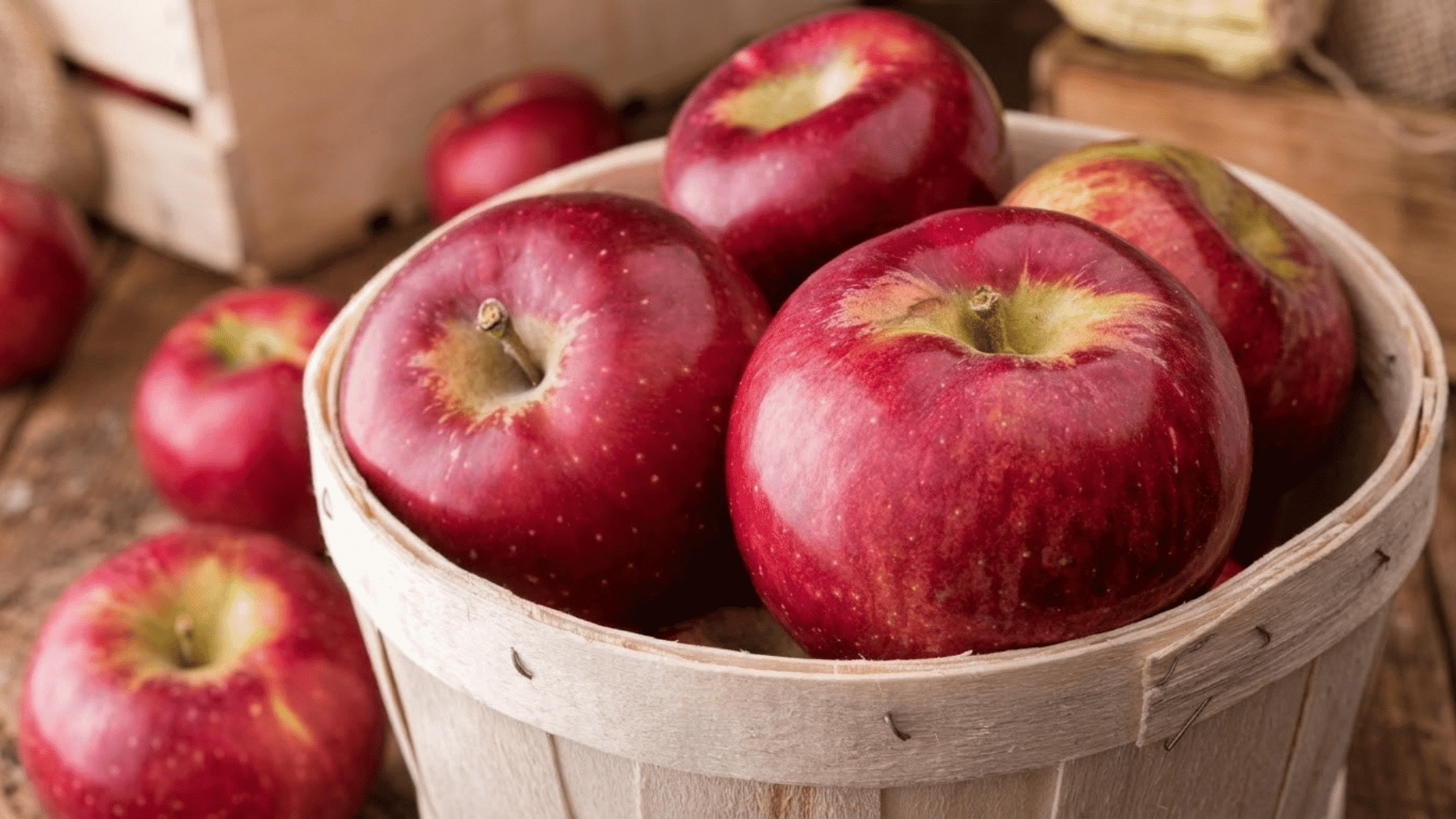
The nutritional profile of apples translates into real health benefits that research continues to support. Regular apple consumption has been linked to several positive health outcomes that go beyond basic nutrition.
-
Blood Sugar Management: Despite their natural sugars, whole apples have a low glycemic index of about 36, so they raise blood glucose gently, and regular consumption has been associated with lower type 2 diabetes risk.
-
Brain Health Protection: Quercetin and other antioxidants may protect brain cells against oxidative damage. Some research suggests memory benefits and lower neurodegenerative disease risk, but the evidence isn’t a guarantee.
-
Digestive Health: Apple fiber acts as a prebiotic, feeding helpful gut bacteria. This may support a more varied community of gut microbes and better digestive function.
-
Cancer Risk Reduction: Observational studies link apple consumption with lower lung cancer risk, and case-control studies also suggest lower colorectal cancer risk. Antioxidants and fiber are possible contributors.
-
Heart Health Support: Apples contain soluble fiber, particularly pectin, which may help lower LDL (bad) cholesterol. Their potassium content supports healthy blood pressure by helping balance sodium levels in the body.
How Many Apples Should You Eat Daily?
There’s no official apple-a-day rule. Most adults need about 1½ to 2½ cups of fruit a day. One medium apple per day covers part of that without overdoing the natural sugars or calories.
While apples are nutritious, eating several per day isn’t necessarily better than eating one apple plus other fruits and vegetables.
The number of apples you eat can also depend on your daily calorie needs, activity level, and how much other fruit you include in your meals. If you’re very active or have higher calorie needs, you might enjoy two apples daily.
People managing blood sugar levels can also include apples in their diet. Pairing them with protein or healthy fats may help create a more balanced snack.
Potential Side Effects of Eating Apples
While apples are generally healthy for most people, there are a few considerations to keep in mind.
-
Blood Sugar Concerns: People with diabetes should monitor how apples affect their blood sugar. Pairing apple slices with protein or healthy fat can help stabilize blood sugar response.
-
Digestive Issues: Start with half an apple and gradually increase your intake to avoid bloating or gas. Apples contain sorbitol and fructose, which may trigger symptoms in people with IBS.
-
Allergies: Oral allergy syndrome can cause mouth tingling or itching in people allergic to birch pollen. Baking or microwaving apples can reduce the reaction because heat breaks down the proteins behind it.
-
Pesticide Residues: Conventionally grown apples can carry pesticide residues, so rinse them under plain running water while rubbing gently. Choose organic when possible, though health benefits generally outweigh pesticide concerns.
-
Apple Seeds:The seeds contain very little amygdalin, so swallowing the seeds in an apple core is safe. Chewing and swallowing a large number is different, because that can risk cyanide poisoning.
Apples for Weight Loss Benefits
The combination of high water content, fiber, and low calorie density makes apples incredibly filling relative to their calorie cost. An apple’s natural sweetness can also help curb cravings for less healthy snacks.
In a 12-week trial involving 49 women on a weight-reduction diet, researchers compared the effects of eating three apples, three pears, or three oat cookies daily. The apple and pear groups lost an average of 1.22 kg, while the oat-cookie group lost 0.88 kg, a change that wasn’t statistically significant.
Eating whole apples may also be more satisfying than drinking apple juice. Chewing takes time, and the fiber in whole fruit helps slow digestion. Apple juice contains much less fiber and is easier to consume quickly.
The key is using apples strategically, as pre-meal snacks, healthy dessert replacements, or satisfying between-meal options that keep you from reaching for higher-calorie alternatives.
Best Ways to Choose and Enjoy Apples
Different apple varieties offer slightly different nutritional profiles. Red Delicious and Granny Smith tend to have the highest antioxidant levels, while Gala and Fuji offer great taste with solid nutrition.
Slicing apples ahead of time can expose their flesh to air, causing browning and some nutrient loss. Adding a little lemon juice can slow browning and help the slices stay fresh-looking.
Try creative approaches like adding apple slices to salads, pairing them with nut butter for balanced snacks, or baking them with cinnamon for a healthy dessert that maintains most of their nutritional benefits.
For the most nutritional benefits, enjoy a mix of apple varieties and choose whole apples more often than apple juice. Whole apples provide fiber that helps support digestion and makes them more filling.
The Bottom Line
An apple is a convenient, portable way to get fiber, vitamins, minerals and helpful plant compounds. At about 95 calories for a medium fruit, it can support health and weight goals without needing a complicated preparation routine.
While most people can enjoy one apple daily without concern, those with specific health conditions should consider how apples fit into their individual dietary needs.
Remember to wash apples thoroughly and eat them with the skin on for maximum nutritional benefit.
What’s your favorite apple variety, and how do you like to enjoy them? Share your go-to apple recipes and snack ideas in the comments below.
Frequently Asked Questions
Which Apple Variety Has The Least Sugar?
Granny Smith apples generally taste less sweet than Fuji or Gala apples. However, sugar content varies by size, ripeness, and growing conditions, so differences aren’t always significant.
Can You Eat Apples on an Empty Stomach?
Yes, most people can eat apples on an empty stomach without problems. However, those with sensitive digestion may find them more comfortable when eaten alongside other foods.
How Long Do Apples Stay Fresh in The Refrigerator?
Whole apples can stay fresh for several weeks when refrigerated properly. Store them in the crisper drawer, away from strong-smelling foods, and remove any damaged apples to prevent spoilage.