


Red drum fish tastes mild and buttery with a hint of sweetness, but its texture is what makes it stand out. The flesh holds together on the grill yet turns tender and flaky when cooked.
Having caught and cooked red drum many times, I know how much freshness and cooking methods affect its taste.
The red drum you buy is probably farm-raised, and that works in your favor.
I’ll explain exactly what to expect from its flavor, how it compares to other fish, and the best ways to cook it, from fresh catches to restaurant meals.
What is Red Drum Fish and How Does it Taste?
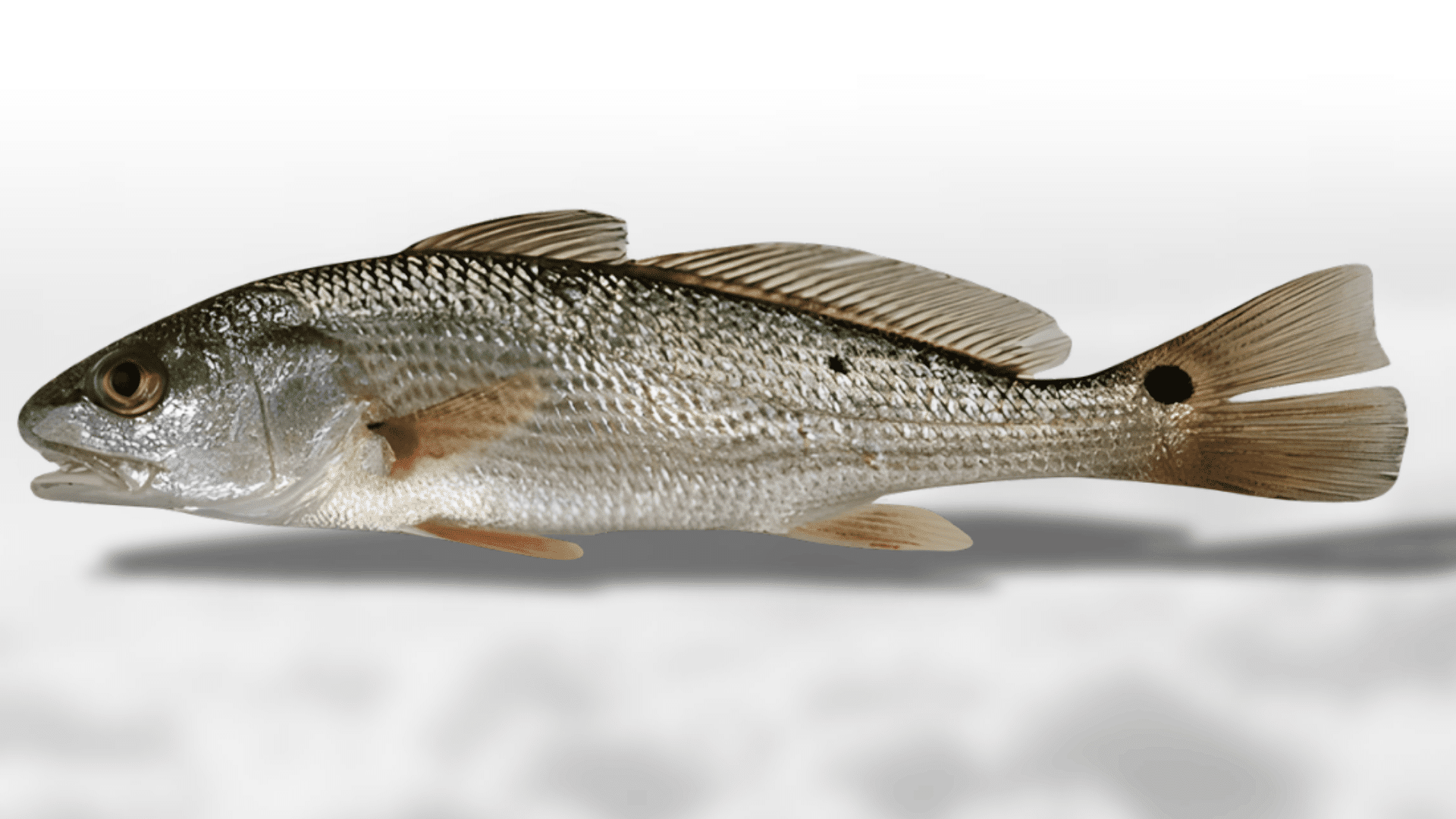
Red drum (Sciaenops ocellatus) goes by several names: redfish, channel bass, spottail bass, or just “reds” among anglers. Anglers call small fish puppy drum or rat reds, and large fish bull reds.
These fish have a copper-bronze color with a distinctive black spot near their tail. Black drum looks similar, but it has barbels, which are small whiskers on its chin.
Red drum fish taste is mild and slightly sweet. The flesh is firm, moist, and white, and it breaks into medium to large flakes. It has very little fishy flavor. Smaller fish taste best, while large bull reds turn coarser and stronger.
They are found along the Atlantic coast from Massachusetts south and around the Gulf of Mexico into Mexico. They love shallow waters, marshes, and coastal areas. The name comes from the drumming sound males make during courtship and spawning.
First Impressions: My Personal Experience with Red Drum Taste
My first red drum was a 6-pound juvenile caught near a marsh. After cleaning it, I kept things simple with salt, pepper and lemon, then pan-seared it in butter. No elaborate sauce required.
The taste impressed me. The texture reminded me of grouper with thick flakes that held together well. The fillet was moist and buttery, with a clean, ocean-fresh taste.
Does Red Drum Taste Fishy?
No. Red drum is a lean fish, and lean fish carry little of the oil behind strong fish flavors.
Fishiness comes from age and handling, not from the species. A large, old fish can taste stronger than a young one. A fillet that sits on ice for days loses its sweetness and picks up a fishy smell.
Check freshness before you cook. Fresh red drum smells clean, like the ocean, and the flesh feels firm.
How Size Changes The Taste: Puppy Drum vs Bull Red
Smaller red drum, known as puppy drums, typically weigh under 10 pounds. Younger fish have tender, flaky meat and taste better than larger ones.
Bull reds are the big ones. Offshore fish usually weigh more than 10 pounds, and many pass 30. Their meat is tougher and the flavor is stronger.
States set size and bag limits to protect large fish, which are the breeders. Size and slot limits differ by state, so check your state’s current rule before keeping a fish.
Comparing Red Drum to Other Popular Fish
When people ask what red drum tastes like, I usually compare it to fish they already know. Here’s how it stacks up:
|
Fish |
Flavor |
Texture |
Notes |
|---|---|---|---|
|
Red Drum |
Mild, slightly sweet |
Firm, large flakes |
Best when under 10 lbs |
|
Red Snapper |
Sweet |
Medium-firm, flaky |
Sweeter and less firm than red drum |
|
Black Drum |
Mild |
Firm, coarse |
Nearly the same as red drum, and a pond-raised taste panel found no flavor difference |
|
Grouper |
Very mild |
Firm, meaty |
Comparable texture, slightly less sweet |
|
Sea Trout |
Mild, buttery |
Soft, delicate |
Softer texture than red drum |
|
Sheepshead |
Mild, slightly sweet |
Firm, flaky |
Another close match to red drum |
Red drum sits right in the middle, not too strong and not too bland. It’s firmer than trout and close to grouper in texture.
Note:Younger fish taste closer to red snapper, while larger ones can have a stronger flavor nearer black drum. I like smaller specimens for that balance of sweetness and tender flakes, especially with simple seasoning.
How Cooking Method Changes The Taste
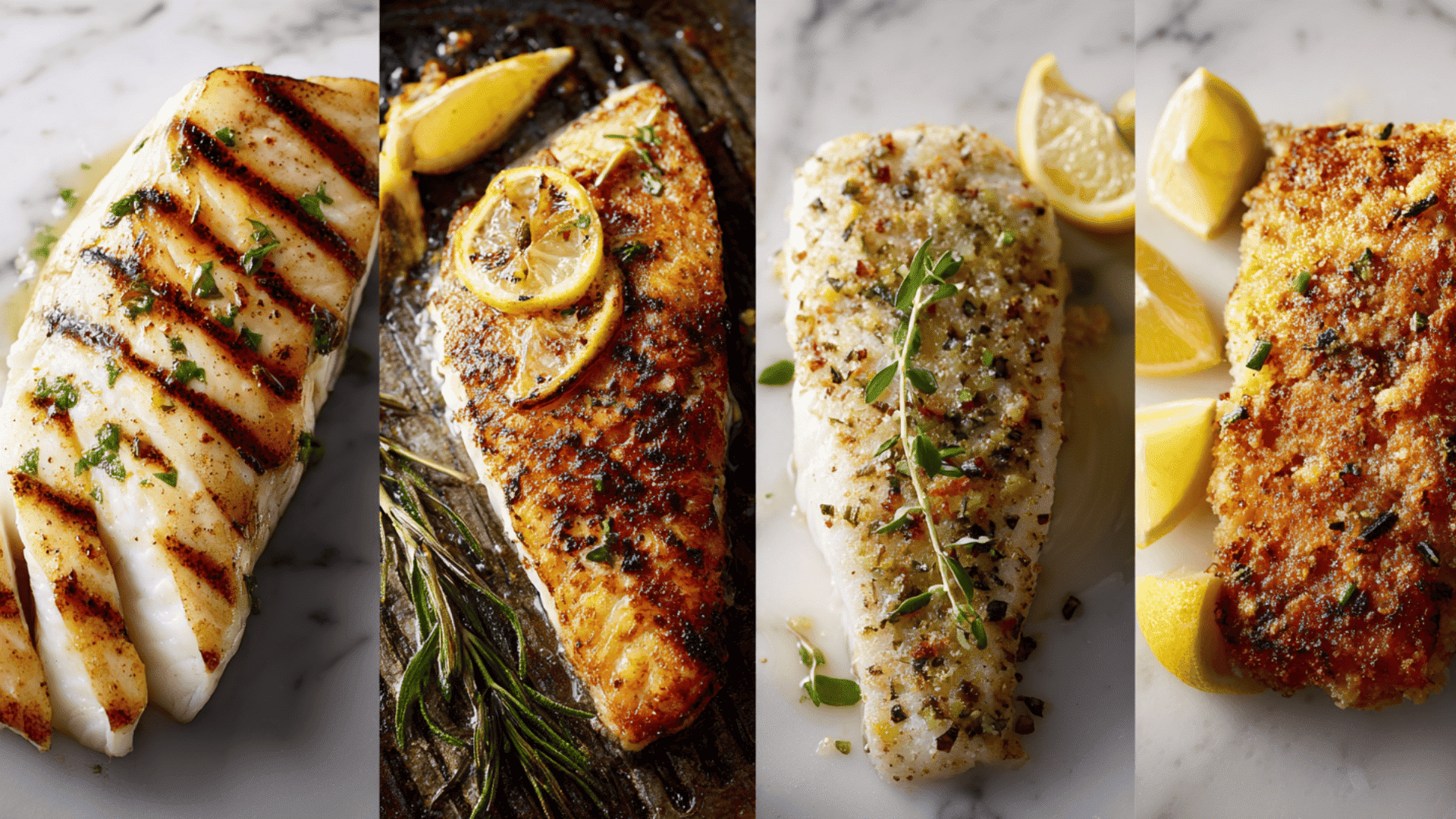
The way you cook red drum changes its taste a lot. Here are the methods I’ve tried:
1. Grilling
Grilling gives red drum a smoky, rich flavor and a crispy exterior while preserving its mild sweetness. I brush the fillets with olive oil, add lemon slices, and grill for extra flavor. For red drum “on the half shell,” leave the skin and scales intact.
Place the fillet skin-side down over high heat, do not flip, and baste with garlic butter. The scales char and protect the flesh, keeping it juicy. Once the top turns opaque and the fish is cooked through, slide the meat off with a spatula.
2. Pan-searing
This is my go-to method for red drum. Red drum holds together well in a hot pan, much like firm halibut flesh. Butter adds richness and brings out its natural sweetness.
Heat your pan over medium-high heat, add the butter, and cook for 3-4 minutes per side. The result is tender, flaky fish with a buttery finish that melts in your mouth.
3. Frying
Fried red drum is a popular Southern dish. The crispy coating adds crunch and brings out the fish’s subtle sweetness. Coat the fillet in a thin layer of cornmeal or flour. Fry it in hot oil until golden, about 2 to 3 minutes per side.
Thicker fillets need a little longer. The outside becomes golden and crunchy, while the inside remains moist and flaky. Squeeze fresh lemon on top, and you’ve got a crowd-pleaser.
4. Blackening
Blackening is the classic Cajun way to cook redfish. Dip the fillets in melted butter, coat them in Cajun spice, and sear them in a smoking-hot cast-iron skillet.
Red drum’s firm flesh holds up to that heat. The spicy crust carries most of the flavor, so it suits anyone who finds plain fillets too mild.
5. Baking or Broiling
Baking is the easiest, most foolproof method for red drum. It produces a mild, clean taste that allows you to truly appreciate the fish’s natural flavor.
I bake at 375°F for about 15 minutes with garlic, herbs, and olive oil. Knowing how long to bake fish helps because thicker red drum fillets need more time than thinner cuts.
Is Red Drum Fish Healthy? Nutrition Facts Explained
Yes, red drum is good to eat, especially when you pick a small fish and cook it fresh. Given below is a rough nutrition snapshot for a 6-ounce raw serving. Treat the numbers as approximate.
|
Nutrient |
Amount (6 oz raw) |
|---|---|
|
Calories |
~202 Kcal |
|
Protein |
~29.8 g |
|
Fat |
~8.4 g |
|
Omega-3 |
~1.2 g |
Where Does Store and Restaurant Red Drum Come From?
Much of the red drum sold in stores and restaurants is farm-raised. Commercial harvest of wild red drum is banned in federal waters and several states, so the wild supply is small.
Farmed red drum is usually harvested at about 1.5 to 3 pounds, a size that eats well. Seafood Watch rates U.S. pond-farmed red drum a Best Choice, based on its February 2023 review.
Wild red drum may still be available from legal state-water fisheries, but its supply is limited and depends on local fishing regulations. At the counter, ask whether the fillet is farmed or wild, and how long it has been in the case.
Common Myths and Misconceptions About Red Drum Taste
Let’s clear up some common misunderstandings about how red drum tastes:
1. Myth: “Red drum tastes too fishy.”Older fish can develop fishy flavors, while overcooking leaves the flesh dry and less enjoyable.
2. Myth: “Wild red drum always beats store-bought.”Wild fish is not automatically better. Freshness and size shape the taste, and farmed fish are usually harvested at a good eating size.
3. Myth: “All red drum taste the same.”Size changes the taste and texture. Small puppy drums are tender and sweet, while big bull reds turn coarse.
4. Myth: “It’s not good to eat.”A small, fresh red drum is mild, easy to cook, and good in almost any recipe.
5. Myth: “Cooking method doesn’t matter.”Heat and preparation change both flavor and texture.
Red drum can be delicious when you pick the right size, keep it fresh, and cook it properly. Don’t let myths stop you from trying this tasty fish.
Tips for The Best Flavor Experience
Getting the best taste from red drum isn’t complicated. Follow these simple tips and you’ll get great results every time:
-
Choose Smaller Fish – Smaller red drum usually has a milder, sweeter flavor. Its tender, flaky texture makes it ideal for cooking.
-
Ice It Immediately – Place your catch on ice as soon as possible. This helps preserve its freshness and prevents unwanted fishy odors.
-
Keep Seasoning Simple – Season to the method. For grilling, baking, or pan-searing, use salt, pepper, lemon, and butter to bring out the fish’s natural sweetness. Skip heavy sauces that overpower its mild flavor.
-
Don’t Overcook It – Cook until the flesh turns opaque and reaches an internal temperature of 145°F. Too much heat can make the fish dry and tough.
-
Pair with Light Sides – Serve red drum with grilled vegetables, rice, or an arugula salad with lemon vinaigrette. The fresh citrus dressing pairs well with the fish’s mild sweetness.
These basic steps make a huge difference. Fresh red drum beats fancy recipes made with old fish every single time.
Conclusion
Red drum fish tastes good to anyone who likes a mild white fish. When cooked fresh and prepared properly, it has a sweet, clean flavor that fits almost any seasoning or style.
The key is choosing smaller fish, puppy drums under 10 pounds. If you’re used to fish like snapper or grouper, you’ll definitely like red drum.
My honest opinion is that red drum deserves more attention. It’s not fancy or exotic, but it’s solid, reliable, and delicious when you handle it properly. It is worth trying when you catch it yourself or find it fresh at the market.
Have you tried red drum? Please drop a comment below and share with me how you prepared it and what you thought of the taste. I’d love to hear your experience.
Frequently Asked Questions
Can You Eat The Skin of Red Drum Fish?
Yes, red drum skin is edible when properly cleaned and scaled. It can turn crispy when pan-seared. Some people prefer to remove it because it can be thick and chewy.
Does Red Drum Have a Lot of Bones?
Red drum has a central backbone and rib bones, but properly prepared fillets are relatively easy to eat. Check for small pin bones and remove them with tweezers before cooking.
Can You Eat Red Drum Raw?
No. Raw red drum can carry parasites and harmful bacteria, so skip sashimi and ceviche. Cook it to 145°F, especially for pregnant women and people with weakened immune systems.