
One of the most impactful forms of content in the food and cooking space today is short-form video. A large part of where people now go for recipe ideas, cooking inspiration, and food discovery includes platforms such as Instagram, TikTok, Pinterest, and YouTube Shorts. With more viewers preferring quick, visually engaging content to learn recipes and cooking techniques, repurposing food blog content into Reels is one of the best ways to extend the value of existing recipes.
Instead of constantly creating brand-new content from scratch, food bloggers, chefs, and home cooks can continue to grow their audience by transforming written recipes and blog posts into engaging short-form videos.
Finding Food Blog Posts Worth Repurposing
To begin, identify blog posts that translate well into video format. In general, food content is already highly visual, which makes it ideal for Reels and short-form storytelling.
Recipes perform especially well because viewers can immediately see the transformation of ingredients into finished dishes. Step-by-step cooking guides also work very well, especially when showcasing preparation techniques, plating ideas, or quick meal ideas.
Similarly, content about seasonal recipes, budget-friendly meals, meal prep ideas, and cooking hacks can easily be turned into engaging short-form videos.
When reviewing older blog posts, look for:
- step-by-step recipes
- transformation-style cooking (raw ingredients → finished dish)
- quick tips or cooking hacks
- visually appealing plating or final dishes
Capturing Food Content Using a Video Recorder
Before turning recipes into Reels, creators first need to record their cooking process. This includes filming of ingredient preparation, step-by-step cooking, and final plating shots.
Using a tool like Canva’s online video recorder allows food creators to easily record video directly from their device or webcam. This makes it simple to capture cooking demonstrations, recipe walkthroughs, or talking-head explanations without needing professional filming equipment.
By recording content directly, creators can quickly produce usable video clips ready for editing, trimming, and turning into engaging short-form Reels.
Using Subtitles to Enhance Food Videos
Using subtitles can significantly improve the performance of food Reels. Many users scroll social media with sound off, so clear on-screen text helps ensure they still understand the recipe or cooking process.
Learning how to add subtitles to a videoallows food creators to clearly communicate ingredients, measurements, cooking steps, and tips even when audio is muted.
Subtitles also improve accessibility for viewers who are hearing-impaired and make it easier for users watching in busy or noisy environments, such as kitchens, cafes, or while commuting.
Turning Written Recipes into Engaging Reels
After selecting a suitable food blog post, start by outlining a simple storyboard. This helps ensure your Reel is clear, fast-paced, and easy to follow.
Begin by identifying the main takeaway of the recipe—whether it’s a quick meal idea, a unique cooking technique, or a simple comfort dish. Then break it into visual steps.
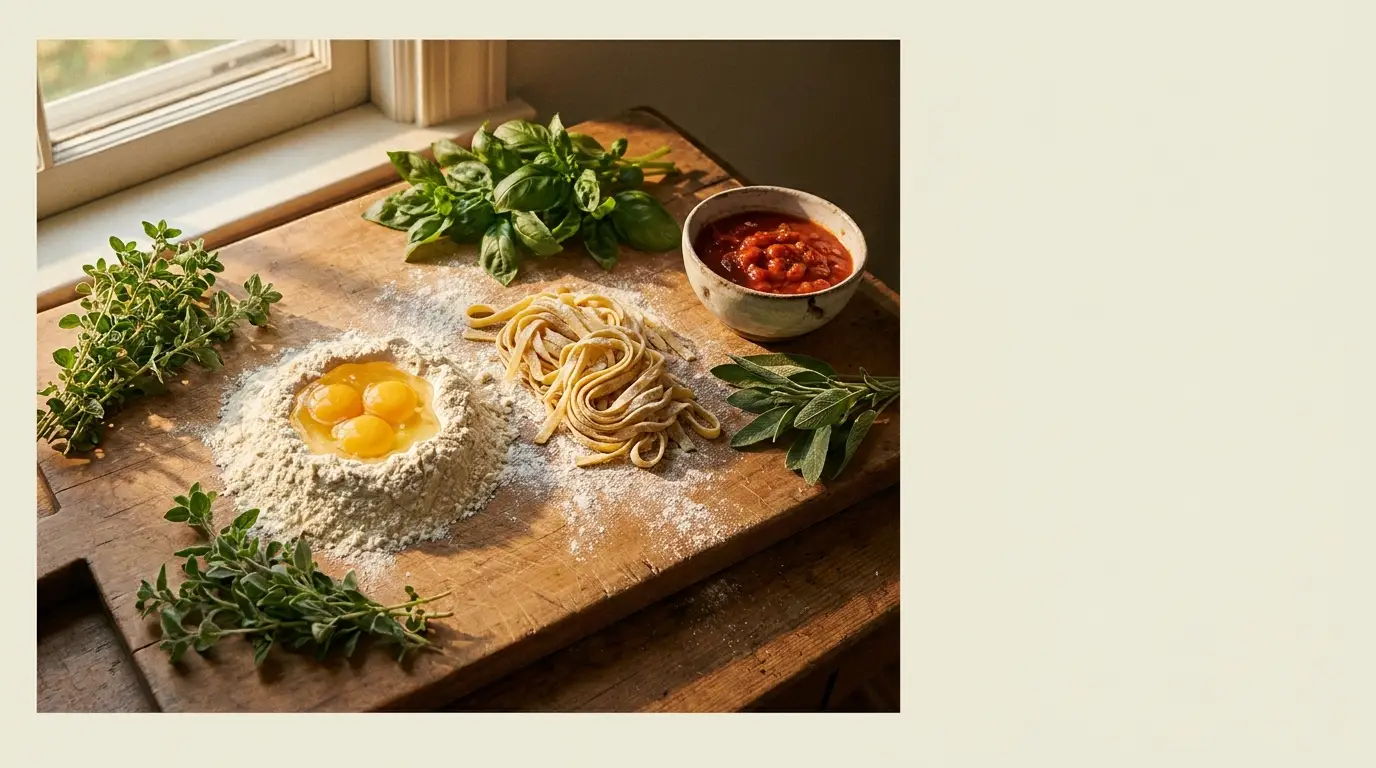
For example, a blog post about a pasta recipe can be turned into a Reel showing:
- ingredient preparation
- cooking steps in fast motion
- sauce mixing and texture shots
- final plating and close-up food shots
Food content works best when it is visually satisfying, so close-ups, sizzling sounds, and smooth transitions all help keep viewers engaged. Keep the Reel focused on essential steps only, since short-form video is meant to be quick and easy to digest.
Sharing Food Reels Across Multiple Platforms
The adaptability of short-form content is one of its biggest advantages. A single food Reel can often be reused across multiple platforms with minimal changes.
Food content can be distributed across:
- Instagram Reels
- TikTok videos
- Pinterest Idea Pins
- YouTube Shorts
Repurposing content this way helps food creators reach a wider audience while reducing the time spent producing new videos. To maximize visibility, captions, hashtags, and descriptions should be adjusted depending on the platform.
Conclusion
Repurposing food blog content into Reels is a powerful way to extend the life of your recipes and reach more viewers. Choosing visually appealing recipes, breaking them into simple steps, and using subtitles to clearly communicate instructions are all essential strategies for success.
As short-form video continues to dominate social media, food creators who adapt their blog content into Reels will be better positioned to grow their audience and showcase their recipes in a more engaging and dynamic way.