
Have you ever opened a utility bill and wondered whether your house secretly started a side business while you were asleep? Rising energy costs have turned many homeowners into reluctant detectives, searching for clues behind higher monthly bills. The good news is that lowering utility expenses often has less to do with major renovations and more to do with smart home care. A well-maintained home runs more efficiently, wastes less energy, and puts less strain on expensive systems. Small adjustments made consistently can lead to noticeable savings over time.
Pay Attention to Your HVAC System
Heating and cooling usually account for the largest share of household energy use, which makes the HVAC system the first place to look when utility costs start climbing. When filters become clogged with dust and debris, airflow decreases and the system works harder to maintain the same temperature.
Replacing air filters every one to three months helps improve efficiency and indoor air quality. Scheduling professional inspections at least once a year can also catch minor issues before they become costly repairs. A system that operates smoothly consumes less energy and experiences fewer breakdowns.
Schedule Preventive Maintenance
Many homeowners only think about their heating and cooling equipment when something stops working. Unfortunately, waiting for a problem often means paying more in both repair costs and energy consumption. Regular maintenance helps systems perform at their best throughout the year.
Professional service providers such as Icy Hot Heating & Air Conditioning help homeowners identify worn components, airflow restrictions, and efficiency issues before they become serious problems. Preventive care may not seem exciting, but neither is watching money disappear through an inefficient system that is working twice as hard as necessary.
Seal Air Leaks Around the Home
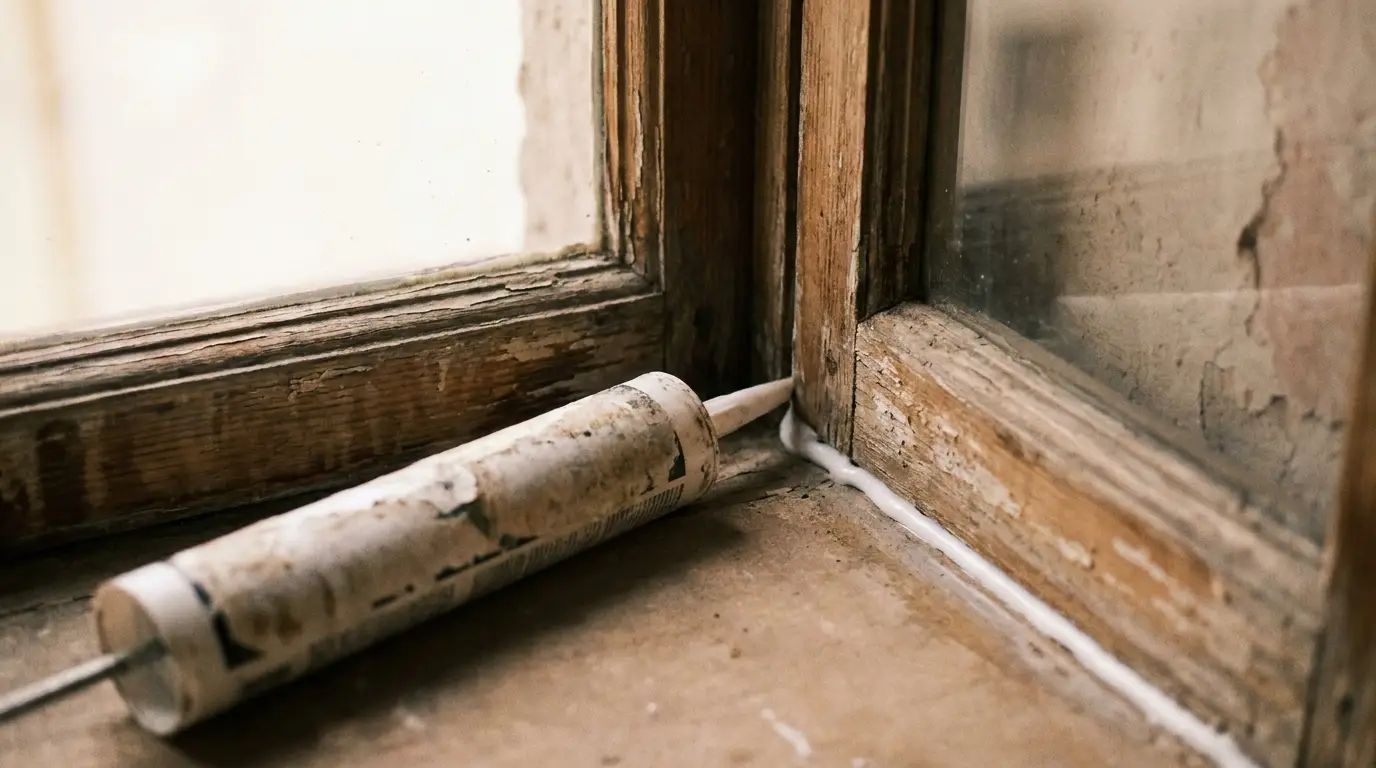
A surprising amount of conditioned air escapes through small gaps around doors, windows, and other openings. These leaks force heating and cooling systems to run longer, increasing energy consumption without providing additional comfort.
Weatherstripping and caulking are inexpensive solutions that can make a significant difference. Check areas around window frames, door edges, attic access points, and utility penetrations. Even small gaps can collectively create substantial energy loss, especially during extreme summer and winter temperatures.
Upgrade to a Smart Thermostat
Technology has made energy management far more convenient than it was just a decade ago. Smart thermostats learn household routines and automatically adjust temperatures to reduce unnecessary energy use when nobody is home.
Many models provide detailed reports showing how much energy is being consumed and where adjustments can be made. Instead of heating or cooling an empty house all day, homeowners can create schedules that match their actual lifestyles. The result is improved comfort and lower monthly expenses without constant manual adjustments.
Keep Water Heating Costs Under Control
Water heating is often the second-largest energy expense in many homes. Since hot water is used daily for showers, laundry, and dishwashing, even small efficiency improvements can have a noticeable impact on utility bills.
Lowering the water heater temperature to around 120 degrees Fahrenheit helps reduce energy consumption while still providing comfortable hot water. Insulating exposed hot water pipes can also minimize heat loss. Fixing dripping faucets promptly prevents waste, because a small leak can quietly add up to gallons of unnecessary water usage over time.
Maintain Appliances for Better Performance
Household appliances work harder when they are neglected. Refrigerators with dirty condenser coils, dryers with clogged vents, and dishwashers with buildup all consume more energy than necessary to perform routine tasks.
Cleaning refrigerator coils every six months helps maintain efficient operation. Dryer lint traps should be cleaned after every load, while dryer vents should receive regular inspections to ensure proper airflow. These simple maintenance habits not only improve efficiency but can also extend the lifespan of expensive appliances.
Use Lighting More Strategically
Lighting may seem like a minor expense compared to heating and cooling, but inefficient lighting habits can still contribute to higher utility costs. Traditional incandescent bulbs convert much of their energy into heat rather than light, making them surprisingly wasteful.
LED bulbs use significantly less electricity and last much longer. Beyond upgrading bulbs, homeowners can maximize natural daylight by opening blinds and curtains during the day. Motion sensors and timers can further reduce unnecessary usage in areas where lights are frequently left on by accident. Every household has at least one room that seems convinced it needs to stay illuminated around the clock.
Care for the Exterior of Your Home
Home maintenance is often viewed as separate from energy efficiency, but the two are closely connected. Roof damage, poor insulation, clogged gutters, and neglected landscaping can all influence utility costs in unexpected ways.
Trees that provide shade can help reduce cooling demands during hot months. Attic insulation prevents valuable conditioned air from escaping through the roof. Gutters that direct water away from the home help protect insulation and structural components from moisture damage. Looking at the home as a complete system often reveals opportunities for savings that individual upgrades alone may miss.
Reducing utility costs does not require turning your home into a futuristic laboratory filled with gadgets and blinking screens. In many cases, the biggest savings come from consistent maintenance, thoughtful upgrades, and attention to small details that are easy to overlook. A clean HVAC filter, properly sealed window, efficient thermostat, and well-maintained appliance each contribute a little on their own. Together, they create a home that operates more efficiently, wastes less energy, and costs less to run. While utility companies may continue raising rates, homeowners still have plenty of control over how much energy their homes consume. Smart home care remains one of the most practical ways to keep more money where it belongs: in your pocket rather than on the monthly bill.