
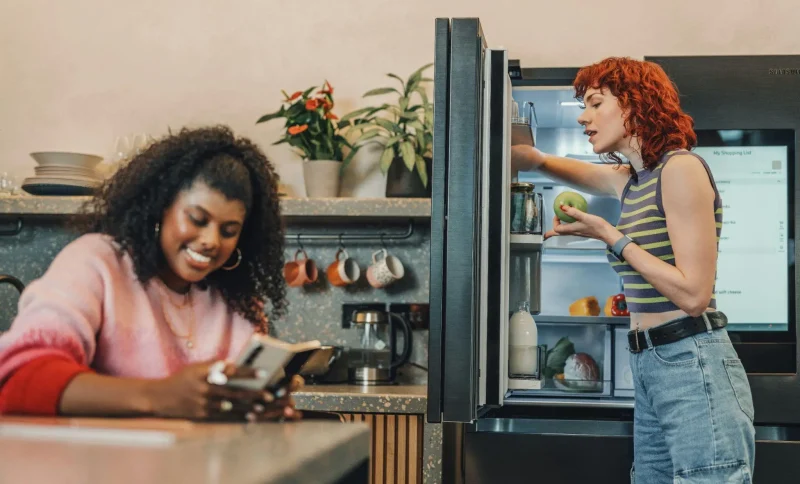
For anyone who loves food, the fridge is more than a cold box. It protects fresh produce, holds the cheese you saved for guests and keeps leftovers safe after a big celebration.
If your current model is struggling, the Boxing Day fridge deals at The Good Guys could be a good opportunity to upgrade. This guide covers nine features that foodies tend to value most, along with food safety basics for the festive season and a quick look at how the humble fridge came to be.
1. Flexible shelving
A fridge that lets you move shelves up and down is a gift when you are storing a tall bottle of sparkling wine one day and a platter of canapés the next. Look for sturdy glass shelves and spill proof edges. Flexibility means you can adapt the layout to whatever you are cooking.
2. A generous crisper
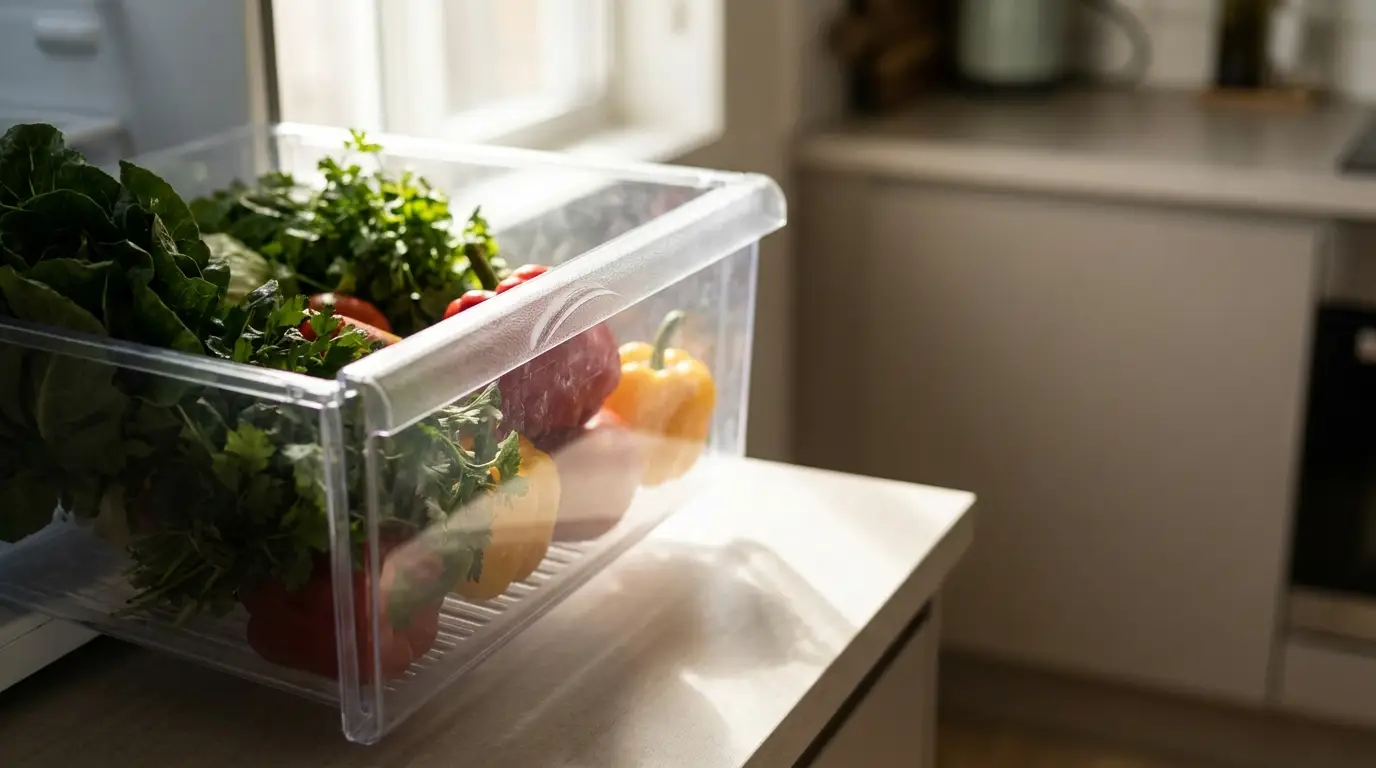
Fresh produce deserves proper care. A deep crisper with adjustable humidity keeps leafy greens crisp and herbs fresher for longer.
If you buy from farmers markets or cook with lots of vegetables, extra crisper space is worth prioritizing.
3. Even cooling
Consistent temperatures protect delicate foods like fish, dairy and cooked dishes. Models with multiple airflow vents or separate cooling zones help avoid hot and cold spots. Place a fridge thermometer on the middle shelf to check performance once you bring it home.
4. A zero or fresh zone
Some fridges include a drawer that stays slightly cooler for meat, fish and cheese. It is ideal if you buy fresh ingredients for a dinner party and want them kept at their best. Ask which models have this feature, and check the temperature range.
5. Plenty of freezer capacity
Foodies love batch cooking. Stock, sauces, pastry and bread all freeze well, so freezer space opens up more possibilities. A drawer style freezer is easier to organize than a deep compartment, because you can see everything at once.
6. Quiet running
A quiet compressor is a gift in open kitchens where the fridge sits close to the dining table. Check noise ratings if they are listed, and consider how close your fridge will sit to living areas.
7. Easy to clean surfaces
Smooth interiors and removable shelves make it easy to wipe up spills from sauces and marinades. A clean fridge keeps flavors from mingling and helps food last longer.
8. A water or ice dispenser
If you entertain often, an ice dispenser saves trips to the freezer. Filtered water is handy for cooking and cold drinks. Keep in mind that dispensers add cost and maintenance, so decide whether you will use one.
9. Smart alerts and displays
Door alarms and temperature displays are useful during busy dinner service when doors open frequently. They can warn you if a door is left ajar, protecting your food and your energy bill.
Festive food safety
Big meals call for extra care. Food Standards Australia New Zealand’s festive season food safety advice says perishable foods such as seafood, meat, dairy and prepared salads should be kept at 5°C or below, hot food should stay at 60°C or above and all meat, including poultry, should be cooked to 75°C inside.
It also suggests refrigerating leftovers promptly, eating them within two to three days and storing raw foods apart from ready to eat foods. A good fridge makes these rules much easier to follow.
How the fridge began
The idea of artificial cooling is older than you might think. Britannica’s entry on refrigeration says William Cullen demonstrated the first artificial refrigeration at the University of Glasgow in 1748, and that the Australian James Harrison later brought vapor compression refrigeration to brewing and meat packing.
Vapor compression, which uses a compressor, condenser, expansion device and evaporator, remains the most widely used cooling method today. Knowing that history makes your own fridge feel a little more remarkable.
Plan the kitchen around it
Before buying, measure the space and check how the doors open. Think about where you stand when you cook, so the fridge sits within easy reach of your main prep area. Consider the weight and delivery route, and ask whether installation is included.
Organize like a chef
Group items by use. Keep raw meat on the bottom shelf, ready to eat foods higher up and sauces in the door. Label containers with dates, and keep a shelf for items to use first. Professional kitchens rely on these habits, and they work at home too.
Make the most of a new fridge
Once the fridge arrives, give it a few hours to settle before switching it on, and then let it reach temperature before loading it with food. Set the dial to the manufacturer’s recommendation and check it again after a day. This small routine helps the compressor work properly from the start.
Cook for the festive season
A well organized fridge makes holiday cooking calmer. Prepare sauces, dips and desserts a day or two ahead, store them in labeled containers and keep the main shelf clear for the big dishes on the day.
Plan where the turkey, ham or seafood platter will sit, so nothing needs to be shuffled at the last minute. A little planning saves stress and keeps food at a safe temperature.
The takeaway
A great fridge supports the food you love by keeping it fresh, organized and safe. Choose a model with the features you will actually use, follow food safety basics and let the sales help you build a kitchen that rewards every shopping trip.