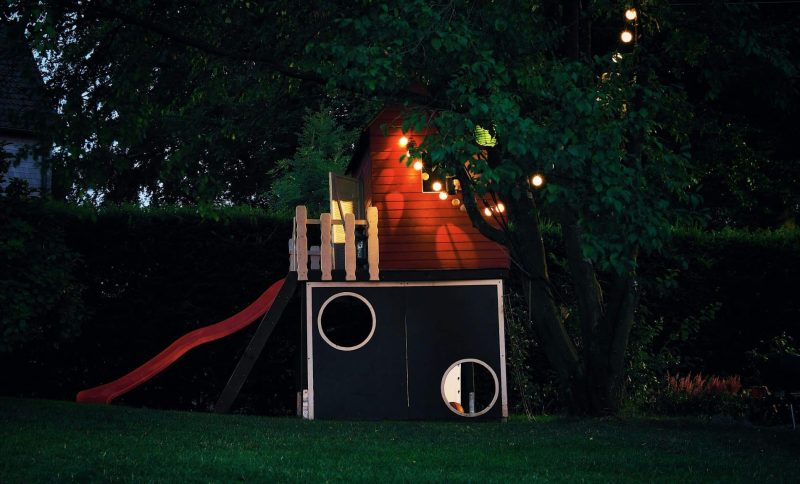
Creating a dedicated outdoor play area is one of the most rewarding ways to support your children’s growth, creativity, and happiness. A cubby house provides a special space where kids can explore imaginative play, build independence, and enjoy the outdoors in a safe and engaging environment.
If you’re planning to buy a cubby house, it’s important to consider the wide range of styles, sizes, and materials available across Australia. Choosing the right one for your backyard isn’t just about looks, it’s about finding the perfect fit for your space, your budget, and your children’s needs. This guide will help you make a confident, well-informed decision.
Consider Your Backyard Size and Layout
Before purchasing a cubby house, assess the available space in your backyard. Measure the area carefully and ensure there is enough room not only for the structure itself but also for safe access around it. If your yard is compact, opt for a smaller or elevated cubby house to maximise space. Larger properties can accommodate expansive designs with additional features like slides, swings, or verandas.
It’s also important to consider ground conditions. A flat, level surface is ideal for installation, while sloped areas may require preparation or specialised designs.
Choose the Right Material
Cubby houses in Australia are typically made from timber, plastic, or metal, each offering unique benefits.
- Timber cubby houses are the most popular due to their natural look and durability. They blend seamlessly into outdoor environments and can be customised with paint or accessories.
- Plastic cubby houses are lightweight, easy to assemble, and low maintenance, making them ideal for younger children.
- Metal cubby houses are less common but can offer excellent durability and weather resistance.
Given Australia’s varied climate, ensure the material you choose can withstand sun exposure, rain, and temperature fluctuations.
Prioritise Safety Features
Safety should always be a top priority. Look for cubby houses with smooth edges, sturdy construction, and non-toxic finishes. Elevated designs should include secure ladders, railings, and stable platforms. If the cubby house includes additional features such as slides or swings, ensure they meet Australian safety standards.
It is also wise to position the cubby house within clear view of your home so children can be easily supervised during playtime.
Think About Age and Longevity
Children grow quickly, so choose a cubby house that will remain suitable for several years. For toddlers, a simple ground-level cubby may be sufficient. Older children, however, may benefit from larger, multi-level structures that encourage active play and creativity.
Adjustable or expandable designs can extend the lifespan of your investment, allowing you to add features as your children grow.
Style and Aesthetic Appeal
A cubby house should complement your backyard’s overall design. Whether you prefer a modern minimalist look or a charming cottage style, there are options to suit every aesthetic. Neutral tones and natural finishes tend to blend well with Australian outdoor spaces.
Customisation options such as paint, window boxes, and decorative elements can further enhance the cubby house’s appearance and make it uniquely yours.
Budget and Value for Money
Cubby houses vary significantly in price, depending on size, materials, and features. While it may be tempting to choose the most affordable option, prioritise quality and durability. A well-built cubby house will provide years of enjoyment and require less maintenance over time.
Consider the long-term value rather than just the upfront cost.
Conclusion
Choosing the perfect cubby house for your backyard involves balancing space, safety, materials, and design.
By carefully evaluating your needs and considering how your children will use the space, you can select a cubby house that enhances outdoor play and adds lasting value to your home. With the right choice, your backyard can become a hub of creativity, adventure, and family enjoyment.