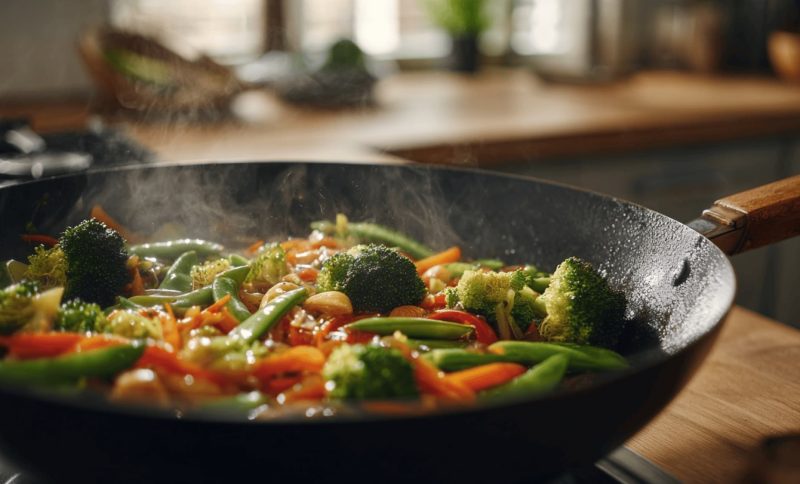
Ever opened a bag of frozen veggies for a quick meal, only to end up with a pan full of soft, watery vegetables? It happens often, and I know how disappointing it feels when dinner was supposed to be easy.
Frozen vegetables are handy, affordable, and great for busy days. But making stir-fry frozen vegetables taste crisp and full of flavor takes a few smart steps.
I used to think frozen veggies could never have that fresh stir-fry texture. After a few tries, I realized small changes make a big difference. A hot pan, a little space, and the right timing can completely change the result.
This simple approach shows you how to turn those frozen veggies into a fast, flavorful stir-fry that tastes as lively and satisfying as anything made from fresh produce.
Keeping Frozen Vegetables Crisp in a Stir-Fry
Keeping frozen vegetables crisp in a stir-fry is easier than it seems once you know a few simple tricks. The biggest mistake many people make is thawing the vegetables first or cooking them on low heat.
Frozen vegetables release a lot of moisture as they cook, and if the heat isn’t high enough, they end up steaming instead of frying. The key is to cook them straight from the freezer in a very hot wok or skillet so the extra water evaporates quickly.
I’ve found that spreading the vegetables out in the pan and giving them a little space makes a noticeable difference in texture. It allows the heat to reach them evenly and helps the edges brown slightly.
Adding oil and sauce later in the cooking process also helps prevent sogginess. With the right heat and timing, frozen vegetables can stay tender-crisp and taste surprisingly fresh in a stir-fry.
Why Frozen Vegetables Get Soggy in Stir-Fry
Frozen vegetables contain a lot of natural water. When they are frozen, that water forms ice crystals inside the vegetables. As they cook, the ice melts, releasing moisture into the pan.
If the pan is not hot enough, or if too many vegetables are added at once, the water cannot evaporate quickly. Instead of frying, the vegetables steam in their own liquid, which makes them lose their crunch.
That is why high heat, enough space in the pan, and proper timing are so important. Once the moisture evaporates, the vegetables can brown slightly, retain their texture, and absorb the sauce more effectively.
Ingredients for Frozen Vegetable Stir-Fry
A good stir-fry starts with simple ingredients that bring flavor, texture, and balance. This mix keeps the recipe quick and easy while helping frozen vegetables cook up crisp and delicious.
|
Main Ingredients:
Optional Additions:
|
These ingredients come together quickly to create a glossy, flavorful stir-fry with minimal effort. Once everything is ready, you can move straight to cooking while the pan is still hot.
How to Cook Frozen Vegetable Stir-Fry
This simple step-by-step recipe will show you exactly how to turn frozen vegetables into a crisp, flavorful stir fry in just minutes
1. Prepare the Sauce

In a small bowl, combine garlic, ginger, soy sauce, hoisin or sweet chili sauce, cornstarch, and water. Stir until smooth and well mixed.
This sauce will add flavor and a glossy finish to your vegetables. Make sure there are no lumps in the mixture. Set it aside while you prepare the pan.
Pro Tip: Preparing the sauce beforehand helps you work quickly once the vegetables start cooking.
2. Heat the Pan

Place a wok or large skillet on the stove and turn the heat to medium-high or high. Let the pan heat up until it’s almost smoking hot.
A hot pan helps moisture evaporate fast. It also prevents the veggies from becoming soggy. Always make sure your pan is hot before adding the vegetables.
Pro Tip: Always make sure your pan is hot before adding the vegetables.
3. Cook the Vegetables

Add your frozen vegetables directly to the hot pan without thawing them first. Spread them out evenly so they cook in one layer.
Press gently with a spatula to let the moisture escape as they cook. Continue cooking for about 8–10 minutes until the edges start to brown slightly and the vegetables are tender yet crisp.
4. Add the Oil

Add a small amount of oil to the pan once the vegetables start to look dry.
Let it heat for a few seconds, then toss the vegetables to evenly coat them. This helps them get a light, even sheen and enhances their flavor.
Pro Tip: Too much oil can make them greasy and trap steam.
5. Add the Sauce

Pour the prepared sauce over the vegetables. Stir constantly so that the sauce coats everything evenly. Keep the heat high to allow the sauce to thicken slightly and cling to the vegetables.
This step usually takes about 2–3 minutes. The cornstarch in the sauce will create a shiny glaze that ties all the flavors together.
6. Serve and Garnish

Turn off the heat and transfer the stir-fry to a serving bowl or plate. Sprinkle with sesame seeds or sliced green onions for a fresh finish.
Serve the stir-fry hot with steamed rice, noodles, or even quinoa. Enjoy it right away while the vegetables are still crisp and colorful.
And that’s it, a quick and easy way to make perfectly crisp stir-fry frozen vegetables! Every bite should have a nice crunch, a balanced flavor, and a glossy sauce that ties it all together.

Nutritional Facts
Frozen vegetable stir-fry can be a light and nutritious meal. The exact values depend on the vegetable mix and sauce used, but a typical serving offers fiber, vitamins, and moderate calories.
| Nutrient | Amount (per ~1 cup / 150 g serving) |
|---|---|
| Calories | 80–100 kcal |
| Protein | 3 g |
| Carbohydrates | 15 g |
| Fiber | 4 g |
| Fat | 2 g |
| Sodium | 350–450 mg |
Disclaimer: Nutritional values are estimates and may vary depending on the vegetable mix, sauces, and cooking oil used.
Storing and Reheating Stir-Fry
If you have leftover stir-fry, storing it properly keeps the flavors intact and makes for a great next-day meal. Let the stir-fry cool completely before transferring it to an airtight container.
Refrigerate it within two hours of cooking to keep it safe and fresh. Stored properly, it will keep in the refrigerator for 3–4 days. For longer storage, place it in a freezer-safe container and freeze for up to 2 months.
When reheating, skip the microwave if possible; a hot skillet works much better. Add a tiny splash of water or soy sauce to revive the sauce and toss on high heat for 2–3 minutes.
This helps bring back some of the original texture and prevents the vegetables from drying out. Avoid reheating more than once, as repeated heating affects both texture and nutritional quality.
Final Thoughts
Cooking with frozen vegetables doesn’t have to mean settling for soggy or dull meals. With the right heat, a bit of space in the pan, and a touch of care, frozen stir-fry veggies can turn out crisp, flavorful, and satisfying every time.
It’s quick, healthy, and perfect for busy days when fresh produce isn’t on hand. A few simple habits, cooking from frozen, avoiding overcrowding, and adding sauces at the end, make all the difference.
Next time those frozen veggies come out of the freezer, think of them as an easy way to whip up a delicious, colorful meal that’s ready in minutes and full of fresh flavor.
With a few thoughtful touches, your stir fry will turn out more vibrant, satisfying, and restaurant-quality every time.
Frequently Asked Questions
Can I Air Fry Frozen Vegetables for Stir Fry?
Yes! Air frying helps remove excess moisture and gives veggies a crispy edge. You can air-fry them first, then toss them into your stir-fry sauce.
What’s the Best Frozen Vegetable Mix for Stir Fry?
Look for mixes that include firm veggies like broccoli, snap peas, and carrots. Avoid ones heavy on spinach or zucchini, they hold more water.
Can I Add Frozen Vegetables to Noodles or Rice without Thawing Them First?
Yes, but make sure to cook off excess moisture first before mixing with noodles or rice to prevent them from turning soggy.
How Long Can Frozen Stir-Fry Veggies Stay in The Freezer?
They can last up to 10–12 months if sealed properly in an airtight bag.