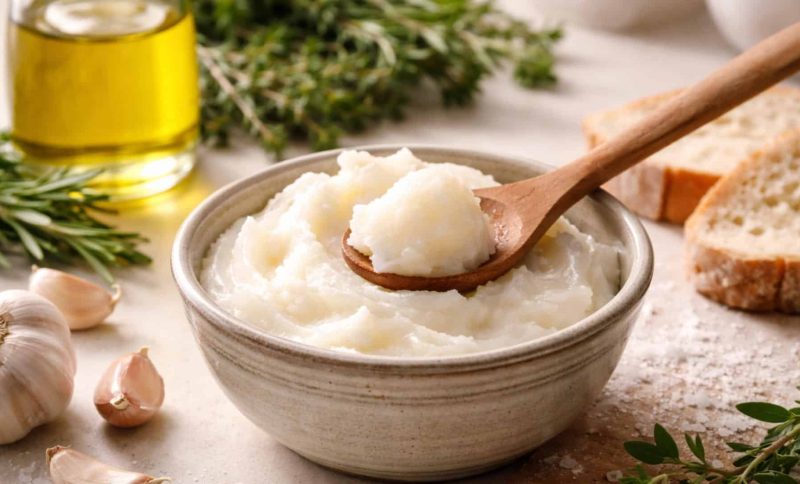
Lard is making a comeback in many kitchens, and it is not hard to see why. It is traditional, useful for cooking and baking, and less processed than many shelf-stable shortenings.
But is lard healthy? The honest answer is not a simple yes or no. Lard can fit into a balanced diet in small amounts.
It is not the nutrition villain many people assume, but it is also not the best everyday fat if heart health is your main concern.
Health organizations still recommend replacing saturated fats with unsaturated options like olive oil and canola oil when possible.
Where lard lands depends a lot on how much you use, what it replaces in your diet, and your personal health situation.
What Lard Actually Is And How It Is Made
Lard is rendered pork fat. Pig fat is slowly heated until it melts, then strained and cooled into a white or off-white solid that holds its shape at room temperature and melts easily when heated.
The highest-quality type is called leaf lard. It comes from the fat around the pig’s kidneys and has a mild flavor and smooth texture, which is why bakers reach for it when making pie crusts and biscuits.
Regular rendered lard comes from other fatty parts of the pig and can have a slightly stronger taste. Not all lard sold in stores is the same thing, though.
Plain rendered lard is different from hydrogenated or partially hydrogenated products. If the ingredient label lists hydrogenated fat, that is a processed product, not traditional lard.
This distinction matters because the health conversation changes depending on what you are actually buying.
Is Lard Good For You Or Bad For You

Lard is neither completely good nor completely bad for you. It sits somewhere in the middle.
On one hand, it contains a fair amount of monounsaturated fat, has no artificial trans fat when unhydrogenated, and works well for high-heat cooking and baking.
On the other hand, it is still high in saturated fat and calories, which means too much of it can work against heart health over time.
That is why lard makes more sense as an occasional cooking fat than an everyday staple.
It may be a better pick than heavily processed shortening, but it is not a better everyday choice than unsaturated oils like olive or canola. The real answer depends on how much you use and what it replaces in your diet.
Lard’s Nutritional Breakdown
Looking closely at lard’s nutrition makes it easier to judge where it fits in health goals and everyday fat choices.
| Nutrient | Amount per Tablespoon | Notes |
|---|---|---|
| Calories | 115 | Similar to other cooking fats |
| Total Fat | 13 grams | All fat, no carbs or protein |
| Saturated Fat | 5 grams | Less than butter or coconut oil |
| Monounsaturated Fat | 6 grams | Heart-healthy fats like olive oil |
| Vitamin D | Small amounts | Rare in cooking fats |
| Trans Fats | 0 grams | When properly rendered |
These numbers explain why lard gets both praise and criticism, which makes its possible health benefits worth looking at next.
Health Benefits Of Lard
Lard has some nutritional advantages, but they don’t outweigh the benefits of unsaturated fats, which explain why some cooks still use it, especially for texture, stability, and simpler processing.
- It contains a fair amount of monounsaturated fat, which gives it a more balanced fat profile than many people expect.
- It stays fairly stable at medium-high heat, making it well-suited for roasting, sautéing, pan-frying, and other everyday cooking.
- It helps create flaky pie crusts, tender biscuits, and crisp textures that are harder to get with many liquid oils.
- Plain rendered lard has no artificial trans fats, which sets it apart from older, heavily processed shortenings.
These benefits explain lard’s appeal in cooking, but its saturated fat content also matters, which brings us to the possible downsides.
Lard vs Other Cooking Fats

Comparing lard to popular cooking fats reveals interesting differences in calories, fat content, and cooking properties that help determine when lard might be the better choice.
| Cooking Fat(per tablespoon) | Calories | Total Fat | Saturated Fat | Smoke Point | Processing |
|---|---|---|---|---|---|
| Lard | 115 | 13g | 5g | 375°F | Traditional rendering |
| Butter | 102 | 11.5g | 7.3g | 350°F | Minimal processing |
| Coconut Oil | 121 | 13.5g | 11.2g | 350°F | Cold-pressed |
| Extra Virgin Olive Oil | 119 | 13.5g | 2g | 325°F | Cold-pressed |
| Soybean Oil | 120 | 13.6g | 2g | 450°F | Industrial processing |
These numbers clearly set up the practical comparison, and the key takeaways below explain what they actually mean in everyday cooking.
Key Takeaways:
A quick side-by-side look makes it easier to see where lard stands compared with butter, coconut oil, and olive oil.
- Lowest saturated fat: Lard has less saturated fat than butter or coconut oil, with about 5 grams per tablespoon.
- Higher heat tolerance: Lard handles heat better than butter and extra virgin olive oil in many common cooking situations.
- Less processed option: Traditional lard and olive oil are usually less processed than many industrial seed oils and shortenings.
- Not the highest in calories: Coconut oil slightly edges out lard in calories per tablespoon.
These points show why lard still draws attention, and the next section explains how those differences matter in real cooking.
Cooking and Culinary Benefits of Lard
Beyond its nutritional benefits, lard stands out for its performance in everyday cooking and baking.
It is especially valued for making flaky pie crusts, tender biscuits, and pastries with crisp, delicate layers that are hard to achieve with many other fats.
Lard also handles medium-high heat well, making it a good choice for roasting, frying, and sautéing without breaking down too quickly.
Its mild flavor is another reason cooks like it, since it adds richness without overpowering the main ingredients.
On top of that, lard stores well in the fridge for months. Its smooth texture, stable structure, and practical use are what keep it relevant in many kitchens.
What Type Of Lard Should You Buy?
The type of lard you buy matters because some options are better for baking, others for everyday cooking, and some are more processed than others.
| Type Of Lard | Best For | What To Look For |
|---|---|---|
| Leaf Lard | Baking, pie crusts, biscuits, pastries | Mild flavor, smooth texture, plain rendered label |
| Plain Rendered Lard | Roasting, sautéing, and everyday cooking | Short ingredient list, unhydrogenated, minimally processed |
| Refrigerated Traditional Lard | Less processed home cooking | Needs refrigeration, simple label, traditional rendering |
| Shelf-Stable Lard | Pantry storage and convenience | Very short ingredient list, clearly marked unhydrogenated |
| Pasture-Raised Lard | Quality-focused cooking and baking | Pasture-raised pork, clean sourcing, minimal processing |
A simple, unhydrogenated lard with a short ingredient list is usually the best choice. Leaf lard is best for baking, while plain rendered lard is a practical option for general cooking.
Who Should Limit Lard?
This matters because lard may work for some people in small amounts, while others may need to be much more careful.
- People with high LDL cholesterol should limit lard, as its saturated fat can make cholesterol management more difficult over time.
- Anyone with heart disease or a strong family history of it should use lard sparingly and choose unsaturated oils more often.
- People who already eat a lot of butter, cheese, and fatty meats should be careful, since adding lard can quickly raise saturated fat intake.
- For healthy adults without those concerns, small amounts of lard can fit into a balanced diet.
That balanced view effectively closes the health discussion and naturally leads to the final verdict on whether lard is healthy.
Conclusion
So, is lard healthy? That really depends on how you choose to use it. It does not need to be feared, but it also should not be treated like the best choice for every meal.
A more balanced view makes the most sense here. Lard can have a place in the kitchen when used thoughtfully, especially by people who enjoy traditional cooking and want a fat that works well in certain recipes.
What matters most is balance, variety, and moderation, rather than relying too heavily on any one ingredient.
In the end, lard is simply one option among many, and how well it fits your diet depends on your habits, needs, and overall food choices.
Frequently Asked Questions
Can You Cook With Lard Every Day?
You can, but it is better not to rely on it as your only cooking fat. Variety usually makes more sense in daily cooking.
Does Lard Taste Like Pork?
Not always. Good-quality rendered lard usually has a mild flavor, while lower-quality lard can taste stronger or heavier.
Can You Use Lard In Both Sweet And Savory Recipes?
Yes, lard works in both. It is often used in pie crusts, biscuits, tortillas, roasted vegetables, and fried foods.
How Should Lard Be Stored After Opening?
Lard should be kept in a sealed container, usually in the fridge, to keep it fresher longer and maintain its texture.