There was a time when home cooking was mostly invisible. People cooked because they were hungry, broke, practical, or trying to use up suspicious spinach before it collapsed into green slime. Dinner wasn’t content. It was just dinner.
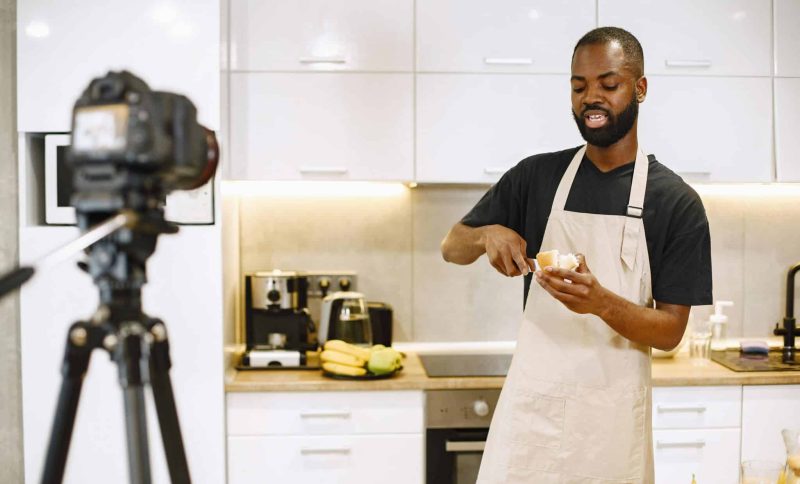
Now cooking has lighting setups. Scroll through Reels for ten minutes and the modern kitchen starts looking less like a room and more like a stage set. And honestly, some of the recipes are inspiring. Internet food culture absolutely pushed more people toward cooking at home.
Still, there’s another question quietly sitting underneath all the glossy content: did the internet actually make eating healthier, or did it simply make healthy eating look healthier?
Cooking Became a Form of Self-Branding
Food online is rarely just food anymore. A smoothie bowl signals discipline. Homemade sourdough suggests patience and craftsmanship. Protein-heavy meal prep implies optimization and control. Even kitchen aesthetics communicate identity now – minimalist wellness, chaotic comfort cooking, hyper-organic farmhouse energy, whatever.
If that sounds dramatic, well, maybe. But researchers have increasingly linked social media food culture to “performative wellness”, where meals become expressions of lifestyle rather than purely nourishment.
And the incentives are obvious. Simple, realistic dinners rarely go viral. Nobody gets two million views for posting slightly overcooked pasta eaten directly from the pot after a stressful Tuesday. But add perfect lighting, artisan salt flakes, and a cinematic knife shot? Suddenly it’s aspirational.
Which creates a weird tension. Cooking became more visible than ever while everyday eating stayed messy, human, and inconsistent.
Healthy Eating Online Often Prioritizes Appearance Over Nutrition
Many viral “healthy recipes” are nutritionally fine. Some are genuinely great. But social media rewards aesthetics first. A recipe that looks photogenic often outperforms one that’s balanced but visually boring. Bright dragon fruit chia puddings beat bean stew every time. That’s just the algorithmic reality.
And because people absorb food information visually, internet wellness trends can distort what healthy eating actually looks like. Huge salads loaded with hidden calories become “clean eating”. Tiny decorative breakfasts become “portion control”.
At the same time, many users plug ingredients into a food calorie calculator without considering bigger questions like satiety, nutrient density, eating habits, or sustainability. Calories matter 100%. But health is not a math equation wearing avocado slices. Wellness content tends to flatten nuance into aesthetics people can instantly recognize.
The Rise of “Ingredient Morality”
One strange side effect of online cooking culture is how aggressively ingredients became moralized.
Butter? Villain. Then hero again.
Carbs? Dangerous. Then suddenly acceptable if they’re “slow-release”.
Seed oils? Internet warfare.
Oat milk? Depends which side of TikTok appears first.
Food conversations online now swing between extremes at incredible speed. And regular people are left trying to decode whether a banana is healing or inflammatory this week. If anything, the internet made eating psychologically louder.
Home Cooking Did Improve Some Habits
Data from several nutrition studies suggests people who cook at home more frequently generally consume fewer ultra-processed foods and more vegetables. Home cooking is also associated with lower restaurant spending and, in many cases, better portion awareness.
The internet helped democratize cooking skills too. Twenty years ago, learning how to make shakshuka or Korean pancakes required cookbooks or family knowledge. Now there are thousands of free tutorials available instantly. That matters.
A youngster learning basic meals on YouTube is still acquiring a life skill, even if the video has aggressively theatrical garlic cutting.
And, honestly, internet food culture exposed many individuals to cuisines and ingredients they would not have tried otherwise. Air fryers were popular in part because the makers made cooking seem more accessible rather than daunting.
So yes, there are real upsides here. But the pressure attached to modern cooking culture can get weirdly exhausting.
The “Perfect Kitchen” Standard Is Quietly Unrealistic
A lot of internet cooking content subtly presents healthy eating as something that requires:
- Endless free time;
- Expensive groceries;
- Spotless kitchens;
- Aesthetic containers;
- Advanced prep routines;
- Constant enthusiasm for quinoa.
Real life doesn’t always comply. People work long hours, share kitchens, look after children, or just don’t have the energy to make beautiful salmon rice poke every night. But good eating on social media is typically presented as a personal discipline.
Exposure to idealized food imagery can increase guilt and anxiety in certain users. Which makes sense, honestly. Watching somebody effortlessly prepare organic lunches in matching glass containers while your own dinner is cereal can feel psychologically hard even if nobody says it directly.
Maybe The Biggest Change Was Psychological
If you step back, the internet didn’t just change recipes. It changed the emotional atmosphere around food.
Cooking used to happen mostly offline, inside homes, without public judgment or performance metrics. Now meals are photographed, evaluated, optimized, compared, ranked, and occasionally turned into personality tests. That changes behavior.
People sometimes cook meals they don’t even particularly enjoy because the meals look healthy online. Others avoid perfectly normal foods because they’ve been labeled “bad” by creators with ring lights and affiliate links.
And yet, genuinely healthy eating still tends to look surprisingly unremarkable in real life. Not cinematic. Not algorithm-friendly. Just sustainable. Which, if you think about it, might be the least viral message imaginable.