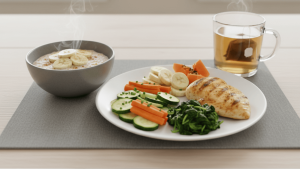







A low-histamine diet is a short-term eating plan that limits foods high in histamine. People often search for it when they experience headaches, skin rashes, stomach issues, or a runny nose after eating certain foods.
Some doctors may include this diet as part of the management plan for conditions like histamine intolerance or mast cell activation disorders.
It’s important to understand that this is a clinical tool, not a weight-loss plan or trendy diet. Healthcare professionals use it to determine if dietary histamine is causing your symptoms.
This article follows official medical and dietetic guidelines. It is for informational purposes only and is not medical advice. Always consult your doctor before changing your diet.
What Is Histamine and Why Does It Matter?
Histamine is a natural chemical in your body. It supports your immune system, aids digestion, and sends signals in your nervous system. Your body produces histamine, but you also get it from certain foods.
Histamine intolerance is thought to occur when your body struggles to break down histamine, often linked to reduced activity of the DAO enzyme.
This differs from food allergies, which involve immune reactions to specific proteins.
Several conditions are linked to histamine-related symptoms, including histamine intolerance, mast cell activation syndrome (MCAS), migraines, chronic hives, and gut issues.
These conditions often overlap, making diagnosis complex. Only a healthcare professional can confirm the underlying cause. Self-diagnosis is not recommended.
What Is a Low-Histamine Diet?

A low-histamine diet is a short-term, structured eating plan designed to reduce dietary histamine. The goal is to see if your symptoms improve when histamine intake is lowered.
The diet involves limiting aged, fermented, and long-stored foods while focusing on fresh, well-tolerated options. After a set elimination period, foods are slowly reintroduced one at a time to identify triggers.
Unlike other allergy diets that remove one specific food, this approach targets your overall histamine load. It is not a detox or lifestyle diet but a medical tool for diagnosis and symptom management.
Ideally, these plans are designed and supervised by specialists such as allergists, immunologists, gastroenterologists, and registered dietitians to ensure proper nutrition.
Benefits of a Low-Histamine Diet
When followed correctly under professional guidance, a low histamine diet can offer several potential benefits for those with histamine-related symptoms.
1. Symptom Relief
The main benefit is symptom relief. Some people report fewer headaches, skin symptoms, digestive issues, and allergy-like reactions during the elimination phase.
Research is still limited, so responses vary, and not everyone will see a benefit.
2. A Diagnostic Tool
This diet also serves as a diagnostic tool, helping you and your healthcare team identify which foods trigger your symptoms.
This knowledge empowers you to make informed food choices. Over time, you learn exactly what works for your body.
3. Greater Control Over Your Health
Understanding your personal histamine threshold gives you control over your health and helps build a balanced long-term eating plan.
However, these benefits depend on proper supervision from a dietitian. Working with a professional ensures you achieve results safely without risking nutritional gaps.
Who Needs a Low-Histamine Diet

Doctors often recommend this diet when symptoms suggest histamine intolerance, after ruling out other causes.
A typical trial lasts 2 to 4 weeks with careful symptom tracking, followed by systematic food reintroduction. Medical supervision is essential because this diet is restrictive.
Following it incorrectly or for too long can cause nutrient deficiencies. Before starting, doctors should check for conditions like coeliac disease, inflammatory bowel disease, or true food allergies.
Certain groups should never attempt this diet alone. These include children, teenagers, pregnant or breastfeeding women, and those with a history of eating disorders or significant weight loss.
Anyone with a complex chronic illness also needs professional guidance before restricting their diet.
Key Principles Behind a Low-Histamine Diet
Understanding a few key principles will help you follow this diet effectively and safely.
Your body works like a bucket that holds histamine. Small amounts cause no problems, but when the bucket overflows, symptoms appear.
The aim is not to eliminate all histamine but to keep your intake below your personal tolerance level.
Freshness is crucial. Histamine builds up in food over time, so freshly prepared meals contain less histamine than aged or stored foods. Prioritise fresh proteins, vegetables, and minimally processed ingredients.
This diet has two phases: elimination and reintroduction. The goal is to create a personalised, flexible diet, not staying restricted forever.
Foods to Eat on a Low Histamine Diet
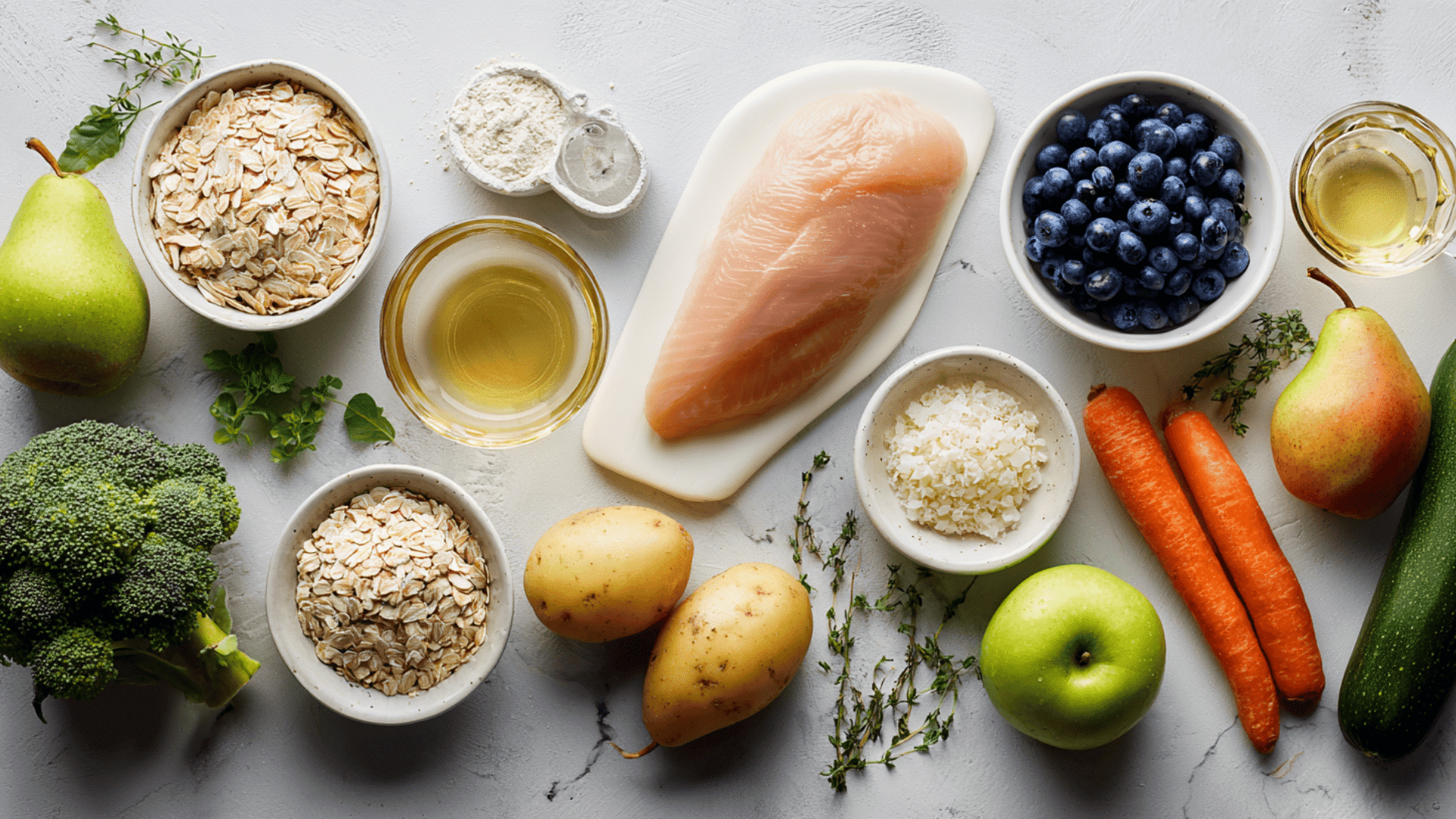
Fresh, minimally processed foods are generally well tolerated. For proteins, choose freshly cooked chicken, turkey, meat, and fresh fish eaten promptly after cooking.
Good carbohydrate options include rice, oats, corn, potatoes, and some breads without additives.
Most fresh vegetables work well, such as carrots, courgettes, and broccoli. Lower-risk fruits often include apples, pears, and blueberries.
For fats, use olive oil and other fresh oils. Safe drinks typically contain water and non-citrus, non-fermented herbal teas.
Foods to Avoid on a Low Histamine Diet
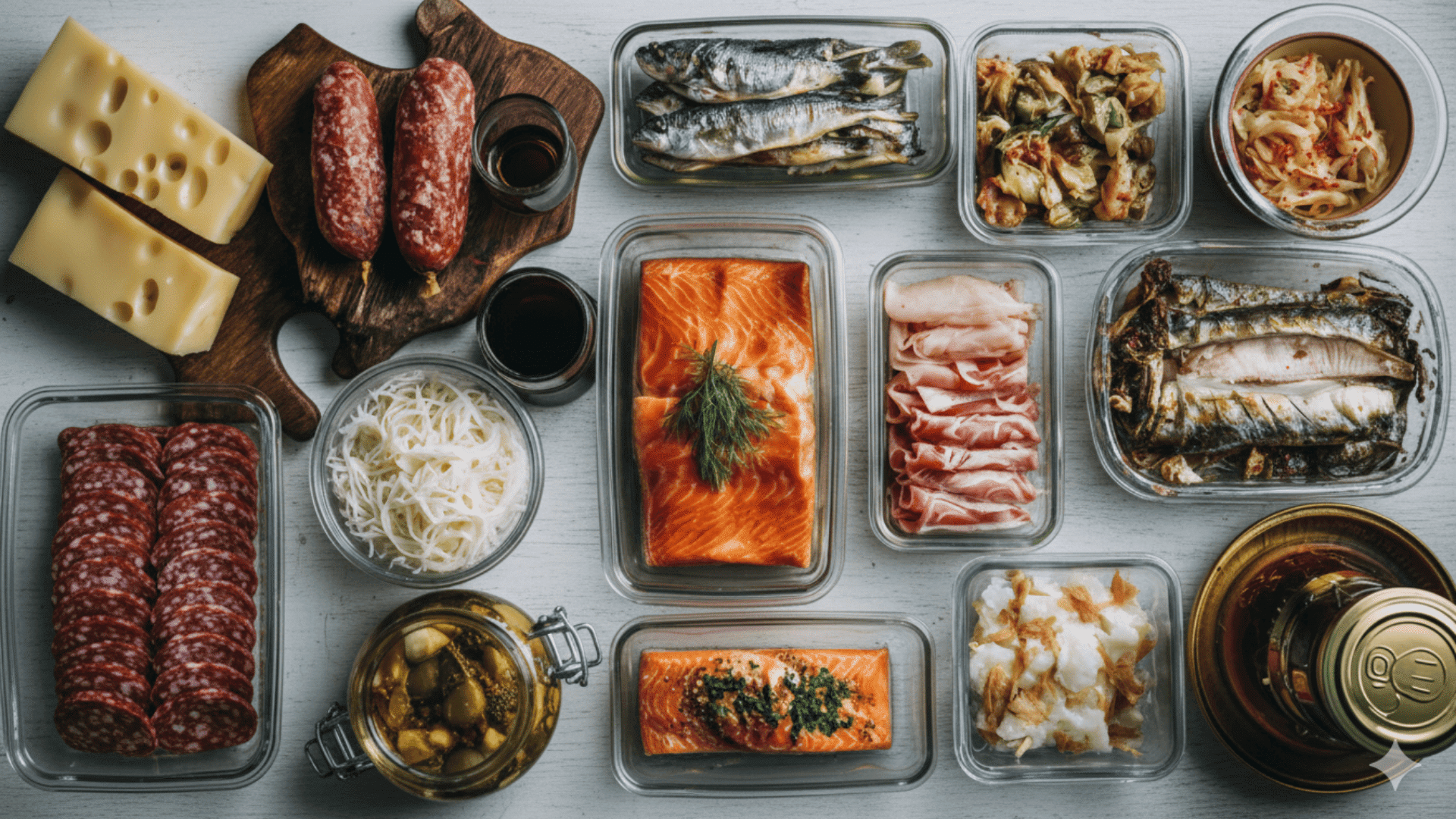
Aged, fermented, and long-stored foods are high in histamine. Avoid aged cheeses, cured meats, and fermented foods like sauerkraut, kimchi, soy sauce, and vinegar-based products.
Alcohol, especially wine, beer, and champagne, should be eliminated. Tinned, smoked, and heavily processed fish and meats are also problematic.
Leftovers stored for more than a day or reheated multiple times can accumulate histamine.
Some foods, like tomatoes, spinach, citrus fruits, chocolate, and shellfish, fall into a grey area and should be tested individually under guidance.
How to Follow a Low Histamine Diet: Step by Step

Starting a low-histamine diet requires careful planning and professional support. Follow these five steps to ensure a safe and effective approach.
- Get a Medical Assessment: consult your GP or allergist about your symptoms and health history. Rule out other conditions like allergies, coeliac disease, or IBD first.
- Work With a Dietitian: A registered dietitian will create a balanced plan meeting your nutritional needs and any dietary preferences.
- Plan a 2 to 4 Week Trial: Set a start date, create a simple rotating meal plan, and keep a diary tracking food, symptoms, stress, and sleep.
- Reintroduce Foods Systematically: Add one food at a time, wait 24 to 72 hours, and record which foods you tolerate and which you react to.
- Build a Sustainable Diet: Gradually expand your food choices with a dietitian’s support, focusing on long-term balance rather than permanent restriction.
By following these steps with professional guidance, you can safely identify your triggers and build a personalised eating plan that works for you.
Risks, Limitations, and When to Seek Medical Help
While a low histamine diet can help identify triggers, it comes with risks. Understanding these limitations and warning signs is essential for your safety.
Nutritional and Practical Risks
Avoiding many foods for too long can cause nutrient gaps. It can also affect your relationship with food. Some people develop fear, over-restriction, or social isolation.
Regular reviews with your dietitian help prevent these problems. Gradual expansion of your diet is key.
Red Flag Symptoms: Do Not Self-Manage
Some symptoms need urgent medical care. These include breathing difficulty, swelling of your tongue, lips, or throat, chest pain, dizziness, or collapse.
Severe stomach pain, blood in your stool, persistent vomiting, unintentional weight loss, night sweats, or high fever also need immediate attention.
Do not rely on diet alone for severe symptoms. Seek medical help right away.
Expert Tips for a Low-Histamine Diet
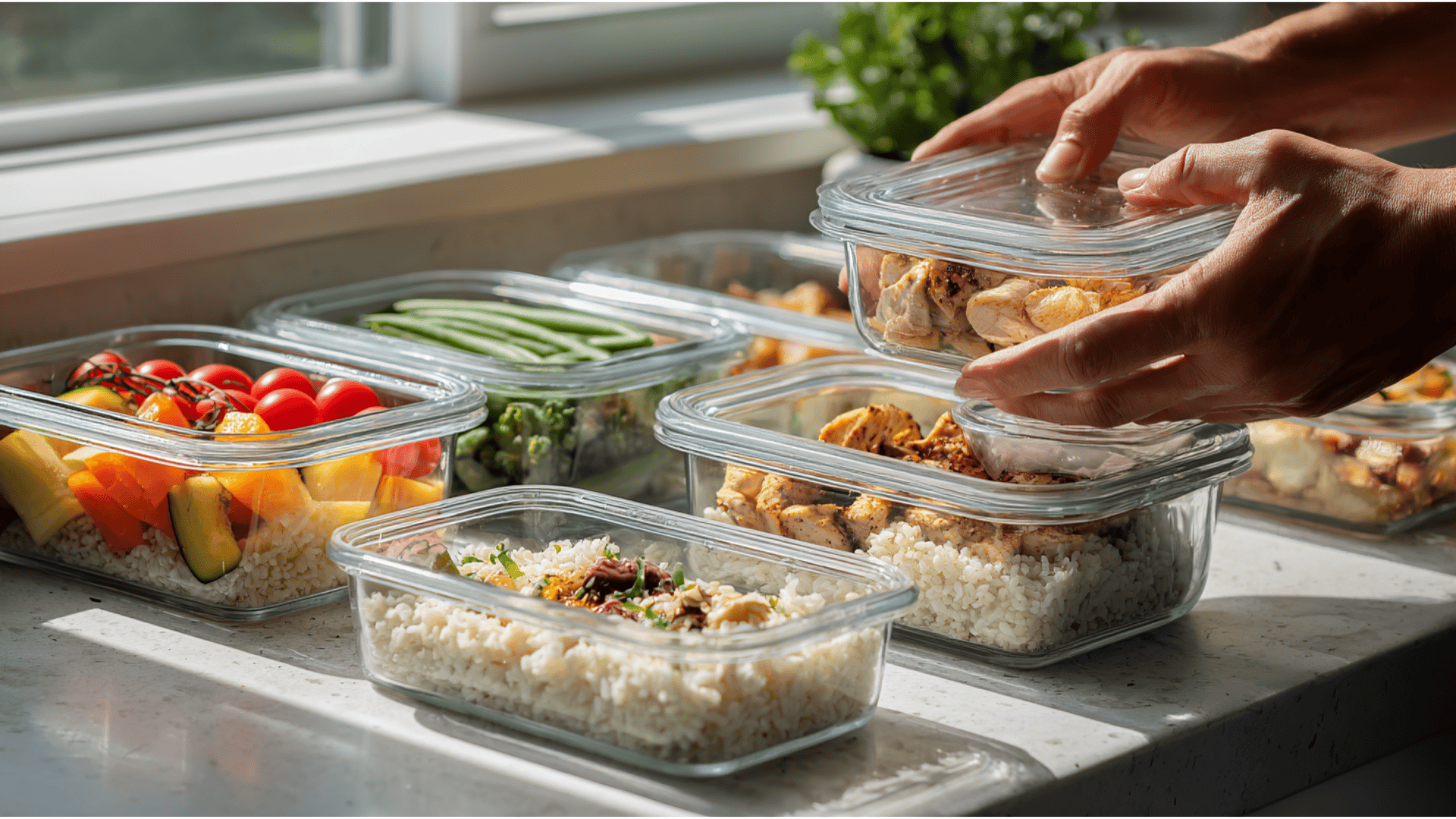
Following a low-histamine diet in daily life can feel overwhelming. These practical tips will help you manage meals, shopping, and eating out with confidence.
- Plan and rotate meals: Choose 3 to 5 simple low-histamine meals and rotate them throughout the week. Shop in smaller amounts more often to keep ingredients fresh.
- Store food properly: Cool cooked meals quickly in shallow containers. Freeze portions you won’t eat within 24 hours and always label with dates.
- Read labels carefully: Watch for words like aged, cured, smoked, fermented, yeast extract, and flavour enhancers. Keep a list of safe brands on your phone.
- Eat out wisely: Request plain grilled meat or fish, simple carbs like rice or potatoes, and steamed vegetables. Avoid buffets and ask for sauces on the side.
- Protect your mental health: Watch for signs of food anxiety or a shrinking range of food choices. Don’t eliminate entire food groups without professional guidance.
- Check in regularly: Schedule periodic reviews with your dietitian to ensure proper nutrition and gradually expand your diet over time.
With these strategies, you can follow your low-histamine diet more easily while protecting your nutrition and overall well-being.
Conclusion
A low-histamine diet is a short-term clinical tool designed to explore whether dietary histamine is causing your symptoms. It is not meant to be a permanent eating plan.
This diet works best under medical and dietetic supervision. Always follow official written guidance from your healthcare team rather than online sources.
The long-term goal is to find a flexible, balanced eating pattern that respects your personal histamine tolerance while meeting your nutritional needs.
If you suspect histamine-related symptoms, talk to your doctor. Ask for a referral to a registered dietitian or allergy specialist and request official low-histamine resources from your clinic.