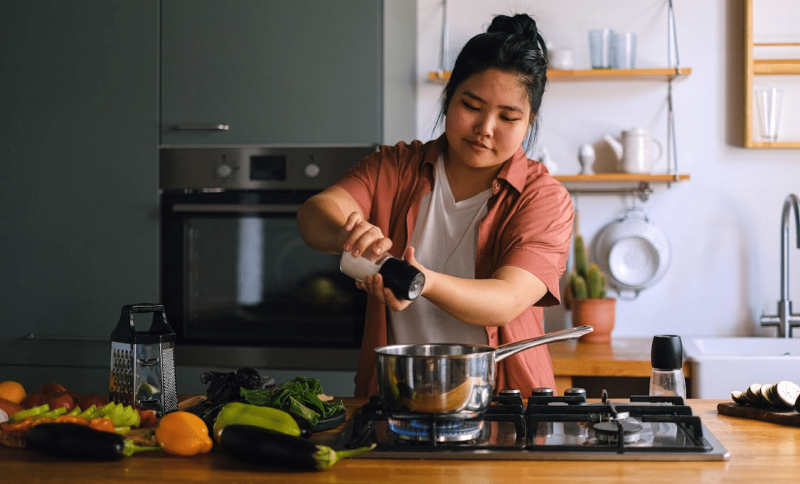
Running a home-based food business sounds simple until your kitchen starts to feel too small. Orders increase, ingredients multiply, and suddenly every counter is covered. Smart storage is often the difference between a hobby that feels chaotic and a business that runs smoothly.
Growth in the foodservice sector has pushed more people to test recipes, sell baked goods, and launch catering from home. When demand picks up, storage has to keep pace. So, here are practical, real-world storage solutions that help growing kitchens stay organized and compliant.
Zoned Pantry Systems
A home-based food business needs more than a regular family pantry. Clear zones reduce mistakes, speed up prep, and help maintain food-safety standards.
Food must be protected from contamination and stored separately from household items. For you, that means a clear separation between business stock and family groceries. Dedicated shelving or labeled bins make audits and inspections far less stressful.
Create simple zones such as:
- Dry ingredients like flour, sugar, and spices
- Packaging supplies
- Ready-to-use mixes or pre-measured ingredients
Each zone should have airtight containers with visible labels. Transparent bins save time because you can see stock levels at a glance, which helps you reorder before you run out mid-week.
Vertical Storage
Counter space is prime real estate in a home-based kitchen. When mixers, trays, and ingredient tubs crowd your prep area, productivity drops.
Recent small-kitchen design trends highlight the shift toward vertical storage, including wall-mounted racks and slim shelving that climbs upward instead of outward.
According to research featured by Tiny Cook Lab, vertical solutions are becoming essential in compact kitchens. For a home-based food business, that translates into more workable surface area without expanding the room.
Install floating shelves for lightweight items like measuring cups and spices. Add wall hooks for frequently used tools. And use magnetic strips for knives to clear drawer clutter.
Every inch reclaimed from the counter gives you more room to roll dough, plate desserts, or assemble catering trays.
Concealed Storage
Small appliances multiply quickly once a home-based food business starts growing. Stand mixers, food processors, dehydrators, and sealers can take over cabinets.
Concealed storage, like pull-out cabinets that hide bulkier equipment when not in use and built-in cabinetry to manage kitchen clutter, protects equipment from grease and dust.
Consider a roll-up cabinet door that keeps your mixer plugged in but out of sight. Install a pull-out shelf that supports heavier appliances, so lifting is not required. And add labeled drawers for specialty tools you only use during peak seasons.
Organized appliance storage shortens setup time and reduces wear and tear. Equipment lasts longer when it is not constantly moved or stacked unsafely.

Image source: https://pixabay.com/photos/fridge-fridge-door-refrigerator-3475996/
Cold Storage Solutions
Refrigeration becomes a serious issue once order volume increases. A single household fridge often cannot handle bulk ingredients, prepared items, and family groceries.
And you must follow compliance rules around temperature control and the separation of raw and ready-to-eat foods. So, proper cold storage protects your customers and your reputation.
Adding a second refrigerator or a dedicated upright freezer helps you separate raw meats, dairy, and finished products. Use stackable, food-grade containers with tight-fitting lids. Label everything with preparation dates to support stock rotation.
Planning cold storage carefully reduces waste. Spoiled ingredients cut into profit margins, and food-safety breaches can shut a small operation down.
Off-Site Storage
Even the best-organized kitchen has limits. Large catering trays, folding tables, spare display stands, or backup packaging can overwhelm cupboards. Local storage can bridge the gap when your home-based food business outgrows available space.
For example, if you operate in Brisbane’s western suburbs, you might look into convenient storage units in Oxley to keep bulky items secure but accessible.
Units with flexible access work well for storing seasonal equipment that you only use during holidays or event-heavy months.
Off-site storage should never replace safe on-site food storage. Instead, use it strategically for non-perishable supplies, extra shelving, or catering equipment that would otherwise crowd your workflow.

Image source: https://unsplash.com/photos/person-holding-a-burger-on-a-black-plate-dBzk9NzqndI
Digital Inventory Systems to Support Physical Storage
Smart storage is not only about shelves and bins. Tracking what you own is just as important as where you put it. Simple spreadsheet trackers or affordable inventory apps can alert you when ingredient levels drop.
Pair digital tracking with clearly labeled storage zones for the best results. Physical organization and digital oversight work together to prevent over-ordering and last-minute shortages.
For businesses growing past word-of-mouth sales, trusted editorial coverage can support a stronger online reputation alongside the physical systems that keep daily operations on track.
Clear systems also make scaling easier. When you decide to expand into markets or larger catering events, your foundation is already in place.
Creating Room to Grow Your Home-Based Food Business
Running a home-based food business demands more than great recipes. Storage decisions affect efficiency, compliance, and even your stress levels.
Zoned pantries, vertical shelving, concealed appliance storage, upgraded cold units, and occasional off-site solutions all play a role. Each improvement creates breathing room in a space that does double duty as both home and workplace.
If your kitchen is starting to feel tight, explore ways to reorganize. And if this article has been helpful, explore some of our other relevant posts.