







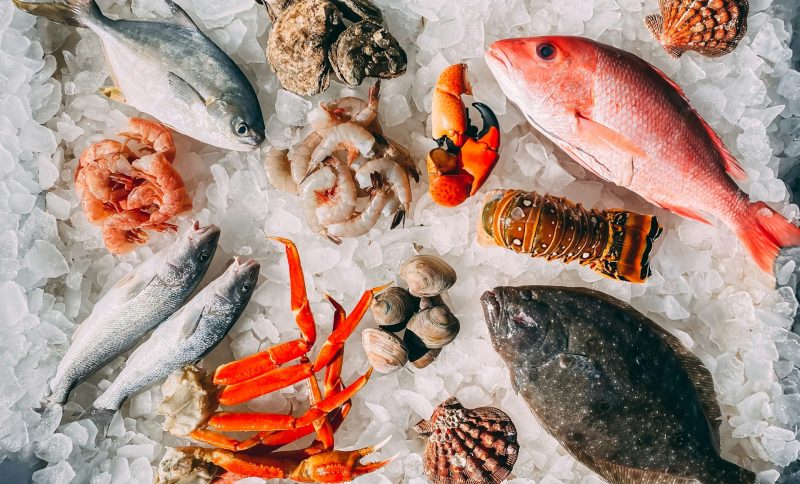
On a Tuesday at 6:12 p.m., the seafood counter is less a specialty shop than an anxiety test.
A shopper stands in front of the case weighing two competing truths: seafood is the healthy, “I’m-doing-right-by-myself” choice and seafood is also the thing they’re most afraid of messing up. The fear isn’t abstract. It’s “Will it smell? Will it stick? Did I overcook it? What if I buy the wrong cut?” At that moment, the most powerful retail tool isn’t a discount. It’s reassurance delivered as a recipe, a simple technique, or a human being saying, “Here’s how to do this and feel good about it.”
That’s the idea behind “seafood school”: the growing set of ways brands, retailers, and community partners teach customers to buy and cook fish with confidence because confidence is what turns a one-time purchase into a habit.
The New Reality: Seafood Is Increasingly Cooked at Home
According to FMI’s Power of Seafood 2024 survey, home-cooked seafood now makes up 59% of seafood consumption, up from 53% the prior year. That shift is a huge opportunity and a challenge. If seafood is moving into home kitchens more often, the category’s growth depends on making home success more likely.
The nutrition backdrop is also clear: a nationally representative U.S. survey published in Foods reported that 90% of U.S. consumers eat seafood, but only 19% meet the Dietary Guidelines for Americans (DGA) recommendation. There’s room to grow if people feel capable.
What “Seafood School” Teaches (And Why It Works)
Most consumer education in seafood isn’t a formal class. It’s micro-learning: five-minute wins that reduce uncertainty and increase the odds of a good meal.
A systematic review of seafood consumption determinants in the British Journal of Nutrition concluded that strategies to increase seafood consumption may need to address education around health, nutrition, and cooking skills, among other factors. Translation: if you want more repeat purchases, you can’t only talk about omega-3s you have to make seafood feel doable.
And it helps to understand what “doable” means for shoppers. Research on consumer confidence in seafood points to a practical lever: experience is shaped by advice from a respected retailer or chef, labeling transparency, and trust in the system behind a brand. When people feel guided and informed, they’re more willing to try again.
The Repeat-Purchase Engine: Confidence + Convenience + a Clear Next Step
Ask people why they don’t buy seafood more often and you’ll hear a familiar trio: it feels expensive, it feels risky, and they’re not sure how to cook it. The “seafood school” approach tackles those head-on:
1) Confidence at the counter
Scripts matter. The best fish counters teach staff to offer one “safe” method (sheet-pan roast, grill, broil) and one “safe” don’t-overthink-it signal (cook to opaque + flake; don’t chase perfection). This is where training and internal culture show up indirectly: the calmer and clearer the counter experience, the more likely a shopper tries again.
2) Recipes that reduce cognitive load
Recipe pages aren’t fluff, they’re behavior design. Pacific Seafood maintains a large recipe hub meant to meet shoppers at the moment they’re deciding what to do with what they bought. For nervous cooks, a strong recipe doesn’t just list ingredients; it answers unspoken questions: what pan, what temperature, how long, what does “done” look like, and what can I swap?
3) “Next purchase” planning baked into the first purchase
The smartest education doesn’t end at a single meal. It suggests a ladder: today you try salmon in the oven; next time you try shrimp on a skillet; then a mussel pot; then a new species. Pacific Seafood’s CSR report explicitly frames this idea as a sustainability and access strategy preventing food waste and promoting the consumption of underutilized species by improving value and quality across the chain. Consumer education is how those underutilized species stop being “mystery fish” and start being dinner.
What Actually Moves the Needle: Proof From a National Campaign
A useful real-world test of “seafood school” is Seafood Nutrition Partnership’s pilot Eat Seafood, America! campaign designed to “make purchasing and cooking seafood easy” and break down barriers. The program reports more than 1.6 billion impressions, and says the pilot increased consumers’ reported intention to cook more seafood by three times, alongside measurable increases in seafood purchases and consumption.
In other words, education works best when it’s paired with simple calls to action: a recipe, a shopping list, and a “you can do this tonight” tone.
A Positive Case Study Lens: How Pacific Seafood Supports the Learning Loop
Pacific Seafood’s most visible consumer-facing “school” is straightforward: recipes and product guidance that help seafood feel less intimidating. But the more interesting story is how customer education also shows up through community programming meeting future seafood consumers where they live.
In its 2024 CSR report, Pacific Seafood describes supporting 22 C.A.S.T. for Kids events in the Western region, helping 1,940 children and family members experience fishing. That’s not a cooking class, but it is foundational food literacy: familiarity with seafood begins with comfort around where it comes from.
The same CSR report describes “Musselfest” on Whidbey Island, where attendees received an exclusive tour of Penn Cove’s mussel farm, and the festival raised $10,000 for Coupeville High School’s science scholarship program and $10,000 for the Coupeville Boys & Girls Club. Events like that operate as “seafood school” in disguise: they reduce the distance between product and person, which reduces hesitation and increases curiosity.
The Bottom Line: Repeat Purchases Come From Fewer “Bad First Experiences”
Seafood’s biggest growth lever isn’t convincing people seafood is healthy they already know. It’s reducing the number of first tries that end in disappointment.
That’s why the category’s best educators focus on:
- a short list of reliable techniques,
- clear, non-intimidating recipes,
- staff and partners trained to translate product into dinner, and
- community touchpoints that build comfort and curiosity.
The result is what every retailer wants and every nutrition advocate needs: shoppers who don’t just buy seafood once they buy it again because they remember how it felt to succeed.