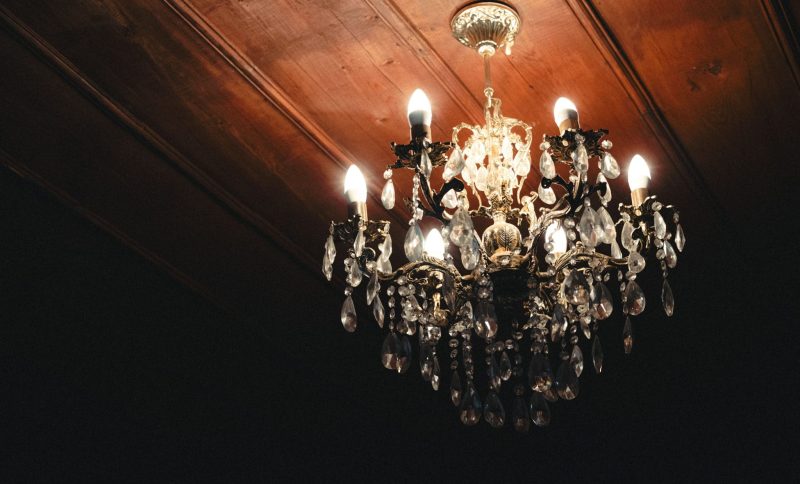
Lighting does more than help you see your plate. It shapes how a dining room feels the moment someone walks in. A well lit space can feel warm, layered, and a little bit personal, even before the food shows up. Right now, dining room lighting leans toward pieces with a story or a distinct point of view. People are mixing old and new, leaning into craftsmanship, and paying closer attention to how light actually moves through a space. If you are rethinking your setup, the shift is less about chasing trends and more about choosing fixtures that hold their own.
Layered Light Sources
When people think about styling a dining room, they often jump straight to a single overhead fixture and call it done. That approach feels flat. A better setup uses more than one source of light, each doing a different job. A chandelier or pendant can anchor the room, but wall sconces soften the edges and table lamps bring in a more relaxed glow.
This layered approach makes the room usable beyond dinner. You can host, read, or sit and talk without feeling like you are under a spotlight. It also lets you control the mood. Dim one source, keep another brighter, and the space shifts without much effort. The goal is not perfection. It is a balance that feels natural and lived in.
Statement Chandeliers
A dining room is one of the few places where a bold fixture makes sense. A large chandelier does not need to match everything else in the room. In fact, it usually works better when it does not. Think sculptural shapes, unusual materials, or designs that feel slightly off from the expected.
Older chandeliers with detailed metalwork or hand blown glass carry a sense of history that new fixtures often miss. You can picture where they have been, which gives the room a subtle depth. Even modern pieces are leaning toward this idea, with designers focusing on form and presence instead of simple function. The light still matters, but the fixture itself becomes part of the conversation.
Antique Glass and Tiffany
There is a reason people keep coming back to classic glass lighting. It has a warmth that feels hard to replicate. Pieces with stained glass or hand assembled shades tend to cast a softer, more varied light, which works well over a dining table. It is not harsh, and it does not feel sterile.
Original Tiffany lamps are always the best choice because they bring together craftsmanship and character in a way that feels grounded. Each one has slight differences, from the glass pattern to the color tones, and that variation shows when the light is on. You are not just lighting the room. You are adding something that carries a long tradition of design. Even one lamp placed on a sideboard can shift the entire atmosphere.
Warm Minimal Fixtures
Not every dining room needs an ornate centerpiece. There is a growing interest in simple fixtures that still feel intentional. Clean lines, neutral finishes, and subtle shapes can work well when the rest of the room already has strong elements.
The key is avoiding anything that feels too cold. Warmer metals like brass or aged bronze keep the look grounded. Soft white bulbs instead of bright white ones help as well. A minimal fixture should still give off a comfortable glow, not something that feels like a retail display. The restraint is part of the appeal, but it should never feel empty.
Mixed Metal Finishes
Matching every finish in a room can feel forced. Lighting trends have moved toward mixing metals in a way that looks collected over time. A brass chandelier paired with black sconces or a silver tray nearby creates contrast without feeling chaotic.
This approach works especially well in dining rooms because it mirrors how people actually gather objects. Not everything arrives at once. Pieces get added over time, often from different places or moments. Lighting can reflect that same idea. When done right, it feels layered rather than mismatched.
Low Hanging Pendants
Height matters more than most people expect. A pendant that hangs too high loses its impact. One that sits lower, closer to the table, creates a more intimate setting. It draws attention to the center of the room and keeps the focus where it belongs.
This does not mean the light should get in the way. It should sit low enough to feel connected but high enough to keep sight lines clear. The effect is subtle but noticeable. Conversations feel a bit more contained, and the room takes on a calmer tone. It is a small adjustment that changes how the space is experienced.
Textured Shades
Smooth surfaces reflect light evenly, but textured shades break it up in a way that feels softer. Materials like linen, woven fibers, or even etched glass can diffuse light and add depth. This is useful in dining rooms where harsh light can make the space feel less inviting.
Texture also gives the fixture more presence during the day. When the light is off, the shade still contributes something visually. It does not disappear into the background. This is especially helpful in rooms that rely on natural light during the day and artificial light in the evening.
Dining room lighting is moving toward pieces that feel personal and layered rather than overly coordinated. A mix of sources, thoughtful placement, and fixtures with character can change how the room works without a full redesign. Focus on how the light feels, not just how it looks, and the rest tends to fall into place.