

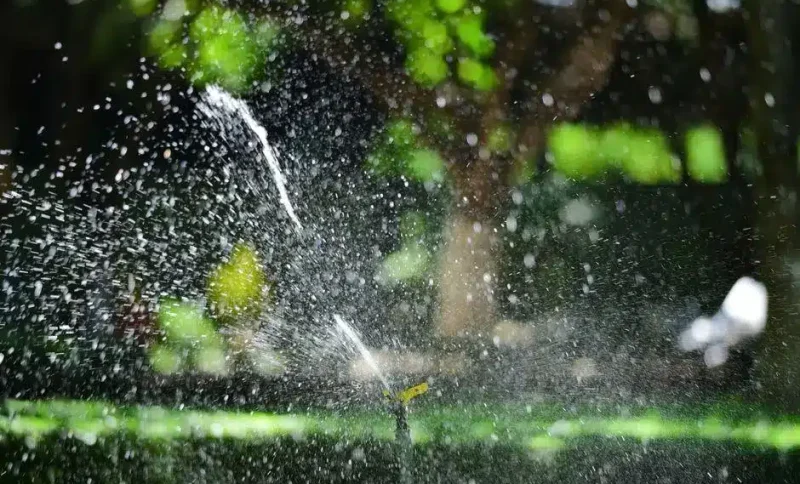
If you live in a warm, rainy, and often very humid place like Brandon, Florida, your yard can look lush one month and stressed the next. That contrast is especially relevant right now: Hillsborough County remains under one-day-per-week irrigation restrictions through October 1, 2026, after the region experienced an 11.4-inch rainfall deficit in May 2026 compared with normal conditions.
Fast-growing grass, sandy soil, and sudden downpours make watering a little trickier than simply turning on the sprinklers and hoping for the best. Overwatering can also create runoff, and current county rules specifically prohibit wasteful irrigation and can carry fines starting at $100 for a first violation. If you want a healthier landscape without wasting water or money, a few smart irrigation habits can make a real difference.
Start by Understanding How Your Yard Actually Uses Water
Your lawn, flower beds, and shrubs don’t all drink at the same rate. Grass usually needs steady moisture near the surface, while established shrubs often do better with deeper, less frequent watering.
You’ll also need to account for soil type. In many Florida yards, sandy soil drains fast, which means water can move past roots before plants get much benefit. Shade matters too. A patch under trees may stay damp longer than a full-sun strip near the driveway.
Take a slow walk around your yard in the early morning. Look for dry spots, soggy corners, yellowing grass, or water pooling near sidewalks. Your irrigation system might be watering evenly on paper but unevenly in real life. Yards love exposing bad planning with almost comedic honesty.
Check Sprinkler Heads Before Small Problems Turn Expensive
Sprinkler systems often fail quietly. A damaged head may spray the driveway, dribble into one corner, or miss an entire section of lawn without attracting much attention for days.
You should inspect your system at least once a month. Turn on each zone and watch what happens. Look for heads that are tilted, clogged, buried by grass, or spraying in odd directions. Also check whether one zone seems much weaker than the others.
In a place with frequent heat, heavy rain, and fast-growing turf, wear and tear happens quickly. If you notice inconsistent coverage, leaks, or poor pressure, getting help with sprinkler repair in Brandon can prevent dead patches, erosion, and wasted water.
A minor repair tends to stay minor only if you catch it before your yard starts waving a tiny distress flag.
Water on a Schedule That Matches the Season, Not Your Routine
One of the easiest mistakes is watering by habit instead of by need. Your yard’s water demand changes with temperature, rainfall, and plant growth.
During wetter months, running your system too often can lead to fungus, shallow roots, and runoff into the street. In hotter stretches, short daily watering can leave roots weak because moisture never reaches deep enough.
A smarter approach includes:
- Watering early in the morning to reduce evaporation
- Adjusting run times seasonally instead of keeping one fixed schedule
- Using fewer, deeper cycles when your soil can absorb them
- Pausing irrigation after significant rainfall
If your controller still runs like it’s mid-July during a week of storms, your yard is basically getting a shower while standing in the rain. Plants aren’t impressed, and your water bill definitely notices.
Match the Watering Method to the Plant Type
Not every plant benefits from overhead spray. In fact, some plants actively dislike it. Turfgrass can handle sprinklers well when coverage is even, but garden beds, hedges, and foundation plants often respond better to slower, targeted watering.
Drip irrigation or micro-irrigation systems can help deliver water close to the roots with less evaporation. That matters when you’re trying to keep ornamental plants healthy without encouraging weeds in every open patch of soil.
Think in zones:
- Lawns usually need broader coverage
- Vegetable beds often prefer precise watering
- Shrubs benefit from deep root soaking
- Containers dry out faster and need separate attention
If one valve waters everything the same way, some plants will be overwatered while others stay thirsty. That setup saves effort at first, then creates a landscaping mess that asks for money later.
Pay Attention to Runoff, Pressure, and Overspray
A working system can still be inefficient. If water is streaming down the curb, bouncing off compacted soil, or soaking your fence more than your lawn, something is off.
Excess pressure is a common culprit. When pressure is too high, sprinkler heads can produce fine mist instead of solid droplets. Mist looks dramatic for about three seconds, then drifts away before the soil gets much use from it.
Runoff often means your soil cannot absorb water as quickly as the system delivers it. In that case, shorter cycles with breaks in between can help. This is often called cycle-and-soak scheduling.
Watch for these signs:
- Water hitting pavement or walls
- Uneven spray patterns
- Fog-like mist around heads
- Puddles forming before the cycle ends
- One area getting drenched while another stays dry
A little observation here can save a surprising amount of water over a full season.
Use Rainfall and Local Conditions to Your Advantage
If you live in Brandon, summer storms can dump a lot of water quickly, while hotter dry periods can sneak up not long after. That swing makes blind scheduling especially wasteful.
Rain sensors and smart controllers can help your system respond to actual conditions rather than a static timer. Even a basic rain shutoff device can stop unnecessary watering after a storm.
You can also build in simple habits. Check recent rainfall before increasing run times. Watch how long your soil stays moist after a storm. Mulch garden beds to reduce evaporation and keep roots cooler. These choices support irrigation instead of forcing it to do all the work.
Local climate should shape your decisions. Heat, humidity, sandy soil, and quick-growing turf form a pretty demanding quartet. Once you work with those conditions instead of against them, irrigation becomes much more efficient.
Build a Routine That Keeps Your System From Slipping out of Tune
Irrigation systems don’t usually break all at once. Performance slips in small ways: a clogged nozzle here, a shifted head there, a controller setting that no longer fits the season.
A practical maintenance routine can keep those small issues from piling up. You don’t need to turn it into a weekend-long engineering project.
Try this checklist:
- Inspect zones monthly
- Trim grass around sprinkler heads
- Update timer settings every season
- Replace damaged nozzles promptly
- Test rain sensors a few times a year
- Watch your water bill for unusual spikes
If your yard suddenly looks patchy despite regular watering, don’t assume the grass is being dramatic. It might be telling you your system is out of balance.
Healthy irrigation is really about consistency, attention, and small corrections at the right time. When you water smarter, your landscape looks better, your system lasts longer, and you waste far less water along the way.


