
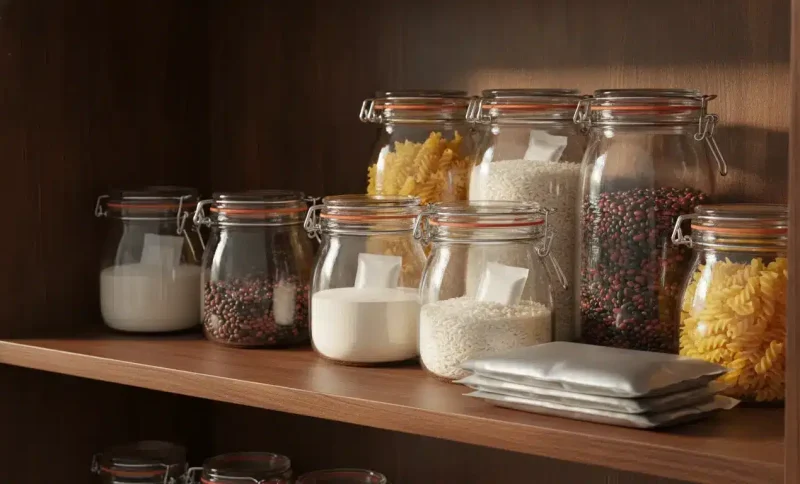
Bulk rice feels like a bargain right up until something chews a hole through the bag. Been there. Twice, actually, because apparently I don’t learn.
Here’s what nobody tells you at the store. Dry goods seem indestructible, and they sort of are, compared to a bag of spinach anyway. But oxygen works on them. So does humidity, heat, light, and whatever tiny creatures found their way into your cabinet last summer.
None of it happens fast enough to notice. You just open the flour one day and it smells wrong.
How to Store Dry Goods for Long?
8 of of the best ways are listed below:
Get Rid of the Store Packaging
That paper flour bag survived the ride home. Its job is done.
Paper breathes. Moisture wanders in, flavor wanders out, and pantry moth larvae chew through it like it isn’t there. Thin plastic rice sacks aren’t much better. I once watched a moth walk out of a sealed-looking bag of cornmeal and that was the end of original packaging in my house.
So the habit is simple. Groceries come home, dry goods move into something proper, same day. This one step kills most pantry problems before they exist.
Make Sure Your Containers Actually Seal
Plenty of lids just sit there looking official. A real seal is different.
Quick test. Close the lid, then sniff. Smell the rice? Air’s moving, which means the seal is decorative. Glass jars with rubber gaskets pass. Good food-grade plastic canisters pass. Stainless with a silicone ring, also fine. Cheap snap lids from the dollar bin usually don’t, sorry.
Clear containers earn their keep another way too. You can see what’s running low at a glance, so no more discovering three half-finished bags of the same pasta shoved behind the cereal.
Put Bulk Buys in Mylar Bags
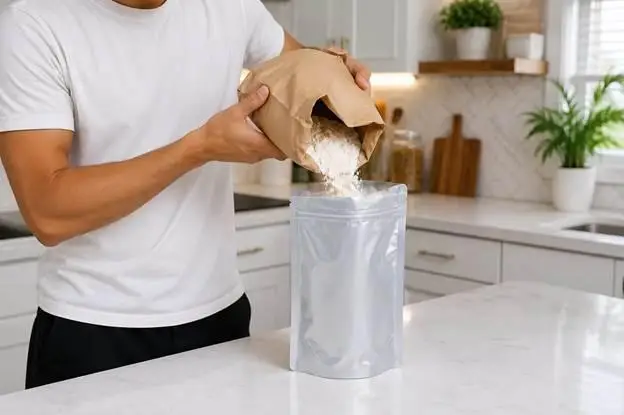
Jars are great for stuff you cook with every week. For the 20-pound sack of rice you won’t touch for months? Different tool.
Mylar Bags are those layered foil pouches you see in serious pantries, and they block light, oxygen, and moisture nearly completely. Fill one, press the air out, run a clothes iron along the top to seal it. A hair straightener works too, which sounds ridiculous until you try it and realize it’s actually easier.
White rice sealed this way keeps for years. Not months. Years. Wheat, oats, dried beans, same story. And the flat pouches stack in spaces a bucket never could, so a small kitchen isn’t an excuse. For long-haul dry goods, nothing else at this price comes close.
Toss in Oxygen Absorbers
Oxygen fades flavor, eats nutrition, and keeps pantry insects alive. Remove it and all three problems go away at once.
That’s the whole pitch for oxygen absorbers. Little packets, cost next to nothing, pull the oxygen out of a sealed container and leave nitrogen behind. Any insect eggs hiding in the food never hatch. Anything you’re storing past the six month mark deserves one.
One catch. They only work inside a genuine seal, so pair them with the bags or gasket jars above. Dropping one into a container that leaks air is just decoration.
Whole Grains Go in the Fridge
This is the one most people miss, so lean in.
White rice and all-purpose flour sit happily at room temperature for ages. Brown rice, whole wheat flour, ground nuts? No. The natural oils in them turn rancid within a few months in a warm cabinet, and rancid whole wheat flour has a bitter, almost paint-like smell you will not mistake for anything else.
Slow user of these? Fridge or freezer, sealed container, done. Cold storage stretches freshness dramatically, same reason sushi only stays good as long as it does in the fridge.
Whole wheat flour that dies in three months on a shelf will happily last a year frozen. Just let it warm up before you bake with it, even for something as forgiving as two ingredient cottage cheese bread, and nobody will ever know.
Cool, Dark, Dry, Every Time
Worth repeating because the pretty version of pantry storage breaks all three rules at once.
Open shelving near a window looks lovely on Instagram. It’s also light and heat exposure all day, every day. If you love the look, fine, keep two weeks’ worth out on display and hide the reserves behind a door.
Humidity is the sneakier one. Sugar clumps. Salt turns into a brick. Flour drinks moisture out of the air and mold isn’t far behind. The shelf above the kettle is basically a steam room, so skip it. Boring, stable, dark conditions are what keep dry goods tasting like themselves.
Label and Rotate, Like a Restaurant Does
A month after decanting everything into matching jars, you will forget what half of them hold and when any of it was bought. Everyone does.
Masking tape and a marker fix it. Contents plus date, every container. Then borrow the rule every commercial kitchen runs on, first in, first out. New bag of rice goes behind the old one. Old one gets finished first. Nothing sits forgotten long enough to go stale, and you stop rebuying things you already own.
Do a Monthly Pest Check
Pantry moths usually arrive as eggs, already inside a bag of flour or birdseed you just paid for. Not your housekeeping’s fault. Catch them early though, or every open package in the cabinet becomes a buffet.
Once a month, two minutes. Look for fine webbing in corners, tiny beetles along seams, weird clumping in the flour.
See anything suspicious? Freeze incoming flour and grains for four days before shelving them. Kills any eggs cold, literally, and your sealed containers wall off whatever’s already loose.
Final Thoughts
None of this needs a bigger kitchen or a spending spree.
Ditch the store packaging, seal things properly, send bulk buys into foil pouches with an oxygen absorber, chill the whole grains, and keep the whole operation cool and dark. Add the monthly pest scan and some masking tape labels and that’s the entire system.
The bulk rice stays a bargain all the way to the bottom of the bag, and every meal starts from a pantry that actually smells like nothing at all. Which, for dry goods, is exactly the smell you want.