

The first time someone handed me a glass of noni juice, I made the face everyone makes. If you have never tried it, imagine a fruit that smells faintly of strong cheese and tastes like a sour, earthy cousin of papaya. And yet noni has quietly moved from Pacific island kitchens to American health food aisles, smoothie bars and wellness shelves. So is it worth the hype, and if you buy a bottle, what should you actually do with it?
I spent a few weeks reading labels, talking to friends who swear by it and, yes, experimenting in my own kitchen. Here is what I learned.
What Noni Actually Is
Noni is the fruit of Morinda citrifolia, a small evergreen tree that grows across Southeast Asia, Polynesia and Hawaii. The fruit is bumpy, pale green to yellow-white when ripe, and about the size of a potato. In Hawaii it has been a traditional food and remedy for generations, and in India the same plant shows up in traditional medicine under names like ashyuka.
Traditionally, people did not drink noni for flavor. They ate it in lean times, used the leaves as wraps for sore joints, and drank fermented juice as a tonic. That history is a big part of its appeal today.
What the Research Says, in Plain Words
Noni contains vitamin C, potassium and a range of plant compounds, including polyphenols and iridoids, that act as antioxidants in lab studies. A handful of small human trials have looked at noni juice for things like cholesterol in heavy smokers, joint comfort and exercise endurance, with some encouraging but modest results.
The honest summary is that the research is early. Noni is not a cure for anything, and anyone claiming otherwise is selling something. Think of it as a functional food with an interesting tradition, not a medicine.
Who Should Be Careful
This part matters, and labels rarely say it clearly. Noni is naturally high in potassium, so people with kidney disease or anyone on potassium-sparing diuretics, ACE inhibitors or similar blood pressure drugs should talk to their doctor first. There are also rare case reports of liver problems linked to noni products, so skip it if you have liver disease. Pregnant and breastfeeding women are usually advised to avoid it, simply because there is not enough safety data. And if you take blood thinners or several prescription drugs, check with your pharmacist.
How to Choose a Good Bottle
- Read the ingredient list. Look for noni as the first ingredient. Many “noni blends” are mostly grape or apple juice with a splash of noni.
- Check the sugar. Pure noni juice is not sweet. If the label shows a lot of added sugar, you are buying a fruit drink.
- Fermented or fresh-pressed? Traditional Hawaiian noni is fermented in the sun for weeks, which mellows the bite a little. Fresh-pressed is sharper. Both are fine; pick the one you will actually drink.
- Glass and dark bottles protect the juice better, and once opened, keep it in the fridge.
- Look for third-party testing or a clear country of origin. Hawaii, Tahiti and India are the most common sources.
If you want to compare specific brands, especially Indian ones that are now easy to order in the US, this guide to choosing the best noni juice written by an Ayurvedic doctor goes through ingredients, dosage, safety and how traditional practitioners use it in daily routines.
How to Make It Taste Good
Most people start with one to two tablespoons a day, and that small amount is easy to hide. These are the ways I have come to actually enjoy it.
The morning shot. One tablespoon of noni juice, the juice of half a lime, a little grated ginger and a spoonful of honey, topped with sparkling water. It tastes like a tart, spicy soda.
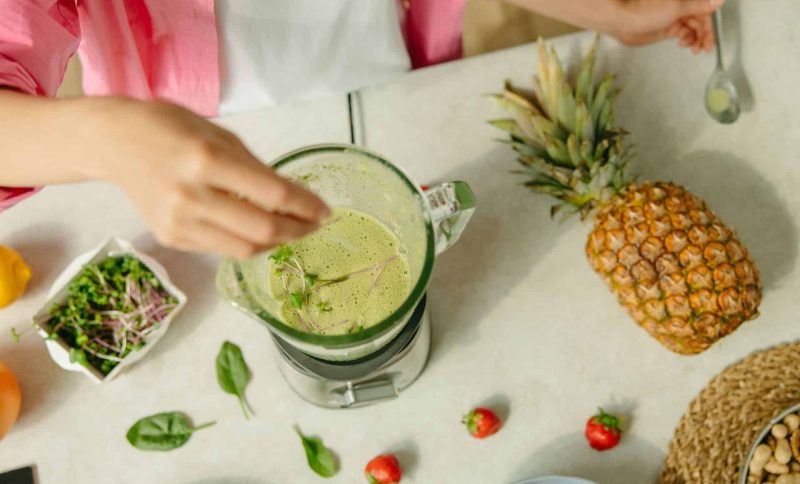
Tropical smoothie. Blend one cup frozen mango, half a banana, half a cup of coconut water, a squeeze of lime and one tablespoon of noni juice. The mango does the heavy lifting on flavor.
Pineapple noni popsicles. Mix two cups of pineapple juice with two tablespoons of noni juice and a pinch of salt, pour into molds and freeze. Kids will not notice; adults will appreciate the tang.
Salad dressing. Whisk two teaspoons of noni juice into a classic vinaigrette with olive oil, Dijon mustard, honey and a little lemon. It adds a fermented, almost vinegary depth that works well on bitter greens.
What I would not do is add noni to hot drinks or long cooking. Heat dulls whatever makes it special, and it makes the smell stronger.
The Bottom Line
Noni is not magic, and it is definitely not delicious on its own. But it is a fascinating traditional food with a long history and some early research behind it. If you are healthy, curious and willing to get creative, a tablespoon a day in a smoothie or a sparkling morning shot is an easy way to try it. If you have kidney or liver problems, are pregnant or take several medications, talk to your doctor first. And whatever you buy, read the label: the best noni juice is the one that is mostly noni.