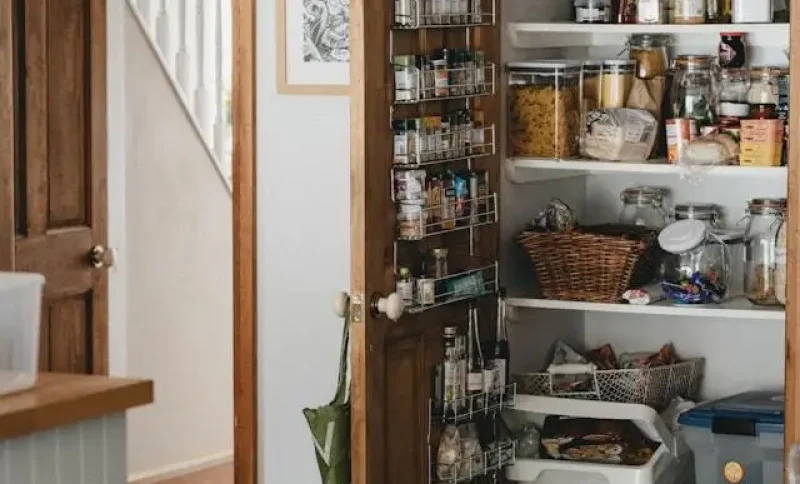
A well-stocked pantry can make cooking at home easier, cheaper, and a lot less stressful. When you have the right basics on hand, it becomes much simpler to throw together a quick dinner, stretch fresh ingredients further, or avoid ordering takeout because there is “nothing to eat.”
But a helpful pantry is not about buying every trendy ingredient or filling your shelves with things you will never use. The goal is to stock foods that support the way you actually cook. A good pantry should make real meals easier, not make you feel guilty every time you see an untouched bag of specialty flour.
Start With What You Actually Cook
Before restocking your pantry, think about the meals you already make. Do you cook pasta often? Rice bowls? Soups? Breakfasts? Simple baking recipes? Quick lunches?
Your pantry should match your real habits, not an ideal version of how you think you should eat. If you never make complicated curries, you probably do not need five specialty spices for them. If pasta is your go-to weeknight meal, then keeping pasta, sauce, olive oil, and seasonings on hand makes sense.
The best pantry is personal. It should help you make meals you actually enjoy and know how to prepare. Start with your regular recipes, then build from there.
Choose Versatile Dry Goods
Dry goods are the backbone of a budget-friendly pantry. They are usually affordable, filling, and easy to use in different meals.
Good staples include rice, pasta, oats, flour, beans, lentils, breadcrumbs, and basic grains. Rice can become stir-fries, burrito bowls, soups, or side dishes. Oats work for breakfast, baking, or homemade granola. Lentils can be used in soups, stews, curries, and simple veggie bowls.
The key is versatility. You do not need every grain or pasta shape available. Choose a few basics that fit your cooking style and can work across multiple meals. This keeps your pantry useful without becoming crowded or expensive.
Keep Canned and Jarred Ingredients on Hand
Canned and jarred ingredients are lifesavers when fresh groceries are running low. They can turn a few basic pantry items into a real meal in minutes.
Useful options include canned tomatoes, chickpeas, black beans, tuna, coconut milk, broth, pasta sauce, salsa, pickles, olives, and nut butters. A can of tomatoes and pasta can become dinner. Chickpeas can be added to salads, soups, or roasted for a snack. Coconut milk can help create a quick curry or creamy soup.
As with dry goods, choose items that match what you actually cook. If your family loves tacos, keep beans, salsa, and seasonings around. If you make quick lunches, tuna, chickpeas, and pickles may be more useful.
Build a Flavor Base
Plain pantry staples are helpful, but flavor is what makes them feel like a meal. A few seasonings, sauces, and condiments can make simple ingredients taste completely different from one day to the next.
Start with basics like salt, pepper, garlic powder, onion powder, chili flakes, Italian seasoning, soy sauce, vinegar, mustard, hot sauce, olive oil, and your favorite condiments. Add spices you genuinely use, not just ones that look nice on a shelf.
A strong flavor base helps you turn rice, beans, pasta, canned vegetables, or leftovers into something satisfying. It also makes cooking at home feel less boring, which is important if you want the habit to last.
Shop Smart When Restocking
A budget-friendly pantry works best when you restock with intention. Compare unit prices, watch for sales on items you use regularly, and buy larger sizes only when you know you will finish them.
It can be tempting to grab interesting ingredients because they are on sale, but too many “maybe I’ll use this someday” purchases can waste money and space. Focus first on the staples that support your normal meals.
When restocking pantry basics you already planned to buy, using a bank app or card feature that offers reward points can add a small bonus without changing your grocery budget.
Smart shopping is not about buying the most. It is about buying what will actually help you cook.
Organize so You Can See What You Have
Even the best pantry will not help if you cannot find anything. A little organization can prevent duplicate purchases, reduce food waste, and make cooking feel easier.
Group items by category, such as grains, baking supplies, canned goods, snacks, sauces, and spices. If clear containers or labels help you, use them, but you do not need a picture-perfect pantry to be organized. Simply keeping older items near the front and newer items behind them can make a big difference.
Before grocery shopping, take a quick look at what you already have. This helps you avoid buying another bag of rice when you already have two hiding in the back.
Final Thoughts
A budget-friendly pantry is not about having the most ingredients. It is about stocking useful staples that make cooking easier in real life.
Start with a few versatile dry goods, add canned and jarred ingredients that match your meals, build a flavor base, and organize everything so you can actually use it. When your pantry reflects your real cooking habits, homemade meals become more doable.
With the right basics on hand, you can save money, reduce stress, and make everyday cooking feel much more manageable.