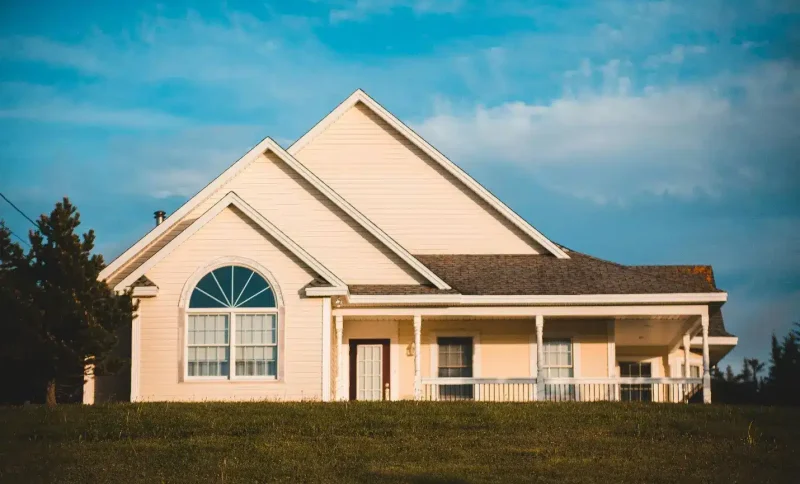
Older homes usually reveal their real problems after the excitement fades a little. Fresh paint hides stains, windows shake during storms, and certain rooms never seem warm enough, no matter how high the thermostat goes. Buyers often fall for the character first and notice the expensive stuff later. Still, older properties keep attracting people because the neighborhoods feel established and the homes often have more personality than newer builds.
Experienced buyers tend to look past cosmetic upgrades pretty quickly. They focus more on the condition of the roof, windows, plumbing, and other systems that quietly decide how comfortable or costly the house becomes later on.
Roof Condition Usually Tells a Bigger Story
The roof is one of the first things smart homeowners check because it quietly reveals how the property has been maintained over time. Missing shingles, uneven roof lines, sagging sections, and clogged gutters often point to problems that go beyond appearance. Water damage rarely stays isolated to one area for very long. Once moisture gets into a house consistently, repairs tend to spread into insulation, drywall, framing, and sometimes electrical systems, too.
A lot of buyers now request detailed roof inspections before finalizing older property purchases because surface-level walkthroughs do not always catch long-term wear. Some sellers repaint ceilings or patch visible leaks temporarily, but experienced inspectors usually notice the signs underneath. That is why many home buyers end up consulting a professional roofing company during the evaluation process, especially when the roof’s age or repair history feels unclear. It is less about panic and more about understanding future costs before inheriting them unexpectedly.
Windows Reveal More Than Most Buyers Expect
Windows usually tell buyers more about an older home than they expect at first. Drafts are the obvious problem, but weak windows also affect heating costs, outside noise, and how comfortable the house feels day to day. Older wood-framed windows may still look charming, though many struggle badly once winter or heavy storms hit. Foggy glass between panes often means the seals have failed, and frames that stick can point toward moisture issues or settling around the house.
Buyers sometimes obsess over renovated kitchens while barely checking the windows, even though replacing them across an entire property can become surprisingly expensive pretty fast.
Siding Problems Tend to Hide in Plain Sight
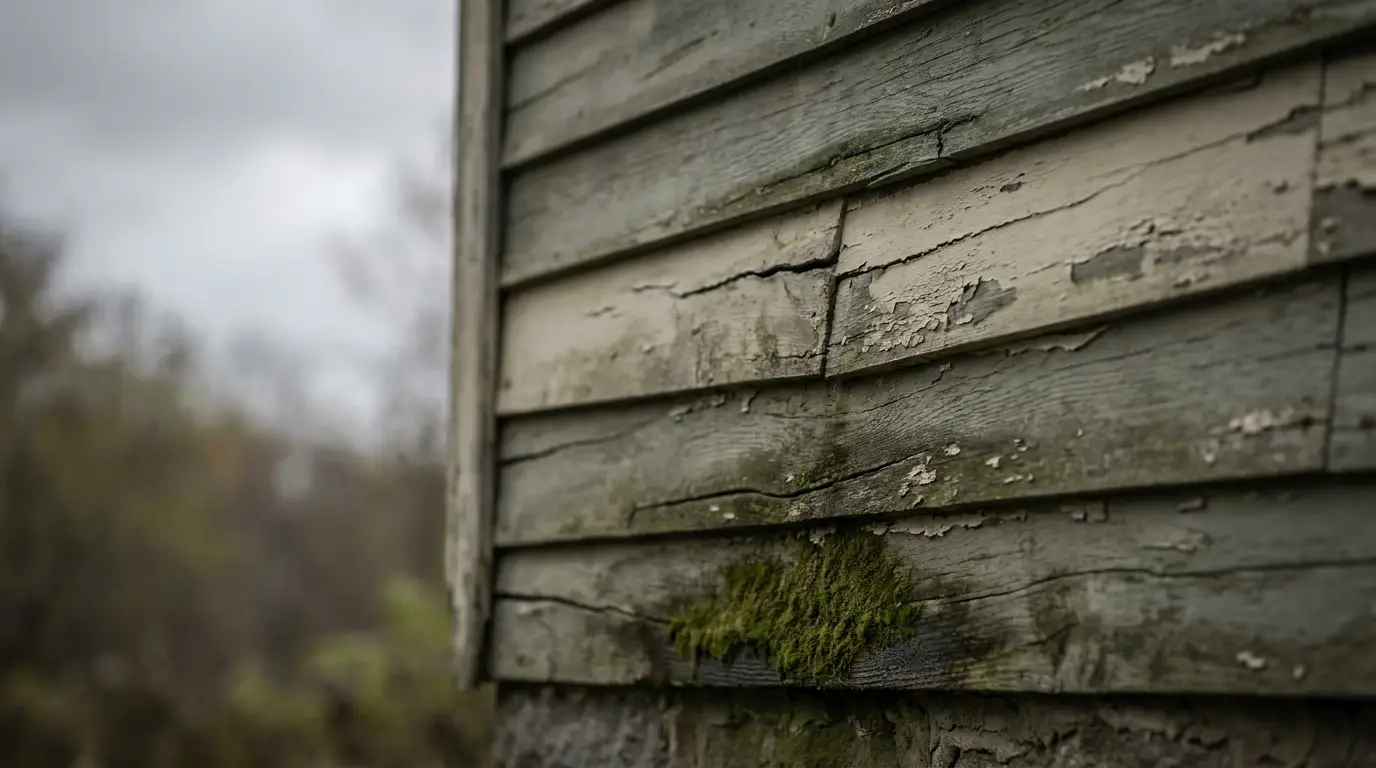
Siding rarely gets the same attention as roofing during home tours, but it should. Cracks, warping, soft spots, and bubbling paint can all suggest moisture problems sitting underneath the surface. In older homes, especially, exterior materials may have gone through decades of patchwork repairs that look fine from the street but fail under closer inspection.
Wood siding deserves extra attention because moisture damage can spread quietly for years before becoming obvious. Vinyl siding has its own issues, too. Loose panels, fading, and hidden mold growth behind poorly ventilated sections show up more often than many buyers realize. Sometimes the problem is not even the siding itself. Poor drainage around the property or clogged gutters can direct water toward exterior walls repeatedly, creating damage that slowly builds season after season.
Foundation Clues Matter More Than Fancy Finishes
Fresh paint and renovated kitchens can distract buyers from structural issues surprisingly easily. Experienced homeowners usually spend more time checking floors, walls, and door frames than admiring decorative finishes.
Small cracks are common in older properties, but large stair-step cracks in brick or uneven floors deserve closer inspection. Doors that no longer close properly may point to shifting foundations or settling issues underneath the house. These problems are not always catastrophic, but they are expensive enough that buyers should understand them clearly before moving forward.
Basements often tell the truth about a home faster than staged living rooms do. Moisture smells, visible water marks, and patched concrete areas can reveal long-term drainage problems that cosmetic renovations upstairs cannot hide completely.
Electrical Systems Can Become Safety Risks
A surprising number of older homes still rely on outdated electrical systems that were never designed for modern technology use. Years ago, households did not run multiple televisions, gaming systems, remote work setups, and large kitchen appliances all at once. Older wiring can struggle under modern demand.
Flickering lights, warm outlets, and overloaded breaker panels should not be ignored. Some homes still contain knob-and-tube wiring or outdated electrical panels that insurance companies increasingly dislike covering. Buyers do not always discover these issues until after purchase inspections start getting deeper. This is another area where cosmetic renovations sometimes create false confidence. A remodeled kitchen with modern finishes does not necessarily mean the electrical system behind the walls was upgraded properly.
Plumbing Problems Usually Cost More Than Expected
Older plumbing systems age unevenly. Some materials hold up surprisingly well while others fail with very little warning after decades of use. Galvanized steel pipes, for example, often corrode internally over time, reducing water pressure and affecting water quality gradually enough that homeowners adapt without noticing immediately.
Water stains under sinks, slow drains, or inconsistent water pressure deserve attention during walkthroughs. Buyers should also ask about sewer line inspections when purchasing much older homes because underground repairs can become extremely expensive very quickly. There is also a strange tendency for sellers to focus heavily on visible upgrades while quietly avoiding conversations about plumbing age. That alone should encourage more questions.
Ventilation and Insulation Affect Daily Comfort
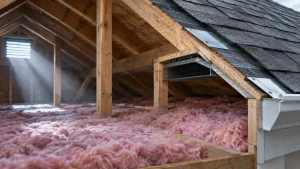
People notice heating and cooling costs more than ever now, partly because energy prices stay unpredictable and partly because more homeowners work from home regularly. Older properties often struggle with insulation gaps, poor attic ventilation, and inconsistent airflow between rooms. They may also cause breathing problems in sensitive individuals.
Uneven temperatures inside the house usually point toward insulation or ductwork problems somewhere in the system. Attics matter more than buyers think, too. Poor ventilation traps moisture and heat inside the home, which slowly affects roofing materials and indoor comfort at the same time.
These problems rarely create dramatic first impressions during short home tours. They show up during long winters, humid summers, and monthly utility bills that feel strangely high for the size of the property. Buying an older home usually means balancing character with realism. Some wear is expected. Some repairs are manageable. The smartest homeowners simply understand that attractive finishes do not always reflect the condition of the systems underneath them. A house can feel charming and still require serious work.