In This Article
This article contains:
- What Is the Difference Between Tamari and Regular Soy Sauce?
- The Culinary Benefits of Cooking With Tamari Soy Sauce
- How to Use Tamari in Everyday Cooking
- Tamari Recipes to Try
- Frequently Asked Questions
Tamari Soy Sauce is a favorite among home cooks and food lovers for good reason. Richer and more nuanced than standard soy sauce, tamari adds complexity without overpowering a dish. From vibrant vegetables to comforting broths, it has a way of making flavors in your recipes feel more complete.
What Is the Difference Between Tamari and Regular Soy Sauce?
Tamari is a Japanese-style soy sauce known for its rich umami flavor. The key difference between tamari and regular soy sauce, such as koikuchi shoyu, lies in its ingredients. Regular shoyu typically contains around 50% soybeans and 50% wheat in its composition. Tamari uses a higher concentration of soybeans and 10% or less wheat. Manufacturers also brew it with less water, giving it a richer savory flavor.
The difference becomes more obvious when you cook with tamari. It tastes smoother and more layered than standard soy sauce, with a concentrated umami quality that enhances ingredients without overpowering them.
Some premium brands, such as SAN-J, use 100% soybeans in their brewing techniques, resulting in full-bodied Tamari Soy Sauces. Each bottle delivers about 30% more umami than typical soy sauces, so you can elevate even the simplest recipes with ease.
The Culinary Benefits of Cooking With Tamari Soy Sauce
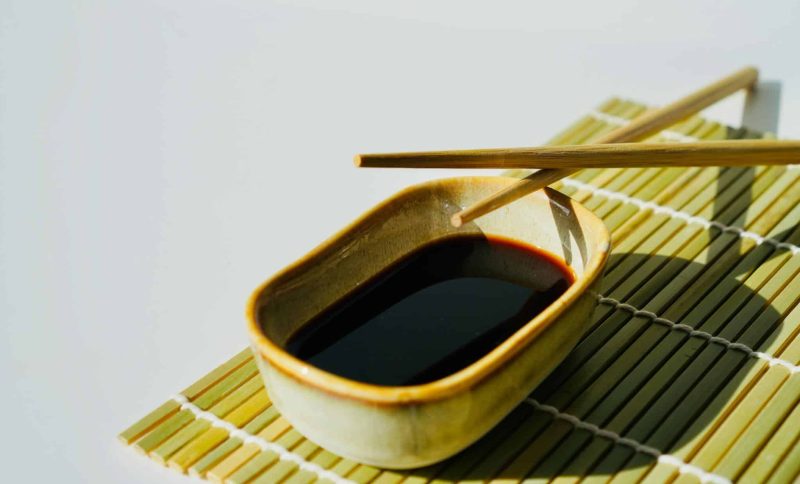
Image Source: Ella Olsson on Pexels
Experienced cooks will often tell you that great cooking often comes down to balance, such as saltiness against sweetness or richness against brightness. Tamari works quietly within that balance, helping flavors feel fuller without dominating a dish. Here’s a closer look at the key benefits of cooking with Tamari Soy Sauce.
Deeper, More Complex Umami
Umami is not an easy taste to describe, but for those who have tasted it, it is deeply savory and satiating. Tamari Soy Sauce amplifies these notes, adding a layer of depth to your cooking. You can use it to enhance broths and soups, noodle dishes, stir-fries and plant-based recipes. For stronger umami, choose tamari with higher soy protein content, such as SAN-J Tamari Soy Sauce.
More Balanced Saltiness
Instead of delivering an immediate salty hit, tamari builds flavor more gradually. Its smoother profile allows other ingredients, such as garlic, ginger, citrus, sesame and herbs, to stay distinct.
With tamari, you gain more control over saltiness and avoid overseasoning.
Suitable for Gluten-Free Cooking
As tamari has little or no wheat, it fits gluten-free cooking. For example, SAN-J Tamari Soy Sauce is certified gluten-free, vegan and FODMAP-friendly, making it a good option for various dietary requirements.
How to Use Tamari in Everyday Cooking

Tamari works across cuisines, meal types and cooking styles without needing adjustment. You can use it to add depth to soups and stews or enhance stir-fries. It also works well as a dipping sauce or marinade for meat and seafood. Here are some tips when cooking with tamari:
- Start with a small amount, then adjust to taste.
- Use it as a seasoning, not a base.
- Balance it with vinegar, citrus or sugar if it’s too savory.
- Pair it with heat or fat to round out its savory notes.
- Reduce salt if you are using tamari for seasoning.
Tamari Recipes to Try
Tamari works beautifully across a wide range of dishes. Check out the following recipes using SAN-J Tamari Soy Sauce:
Soy Ginger Cedar Plank Chicken
Fire up the grill for juicy chicken thighs marinated in rich tamari-soy-ginger.

|
Ingredients — Serves 4 |
Directions |
|---|---|
|
|
Tamari Chili Roasted Potatoes
Enhance roasted potatoes with a tamari twist and a touch of chili heat.

|
Ingredients — Serves 6 |
Directions |
|---|---|
|
|
Frequently Asked Questions
Here are several things you might be wondering about tamari.
Is Tamari the Same as Soy Sauce?
Tamari is a type of Japanese soy sauce, but it is typically brewed with little or no wheat, giving it a richer and smoother flavor than standard soy sauce.
Can Tamari Replace Regular Soy Sauce in Recipes?
Tamari can generally be substituted one-for-one for soy sauce in marinades, stir-fries, sauces and dressings.
How Does Tamari Help You Season More Effectively?
It creates a fuller flavor without needing extra salt or multiple seasonings. Even a small amount can transform the overall flavor.
A Culinary Staple for Modern Kitchens
Tamari’s culinary strength lies in its versatility and clean flavor profile. Cooking with it deepens savory notes and lifts the natural character of ingredients. It’s a pantry must-have to make everyday recipes feel more complete and satisfying.