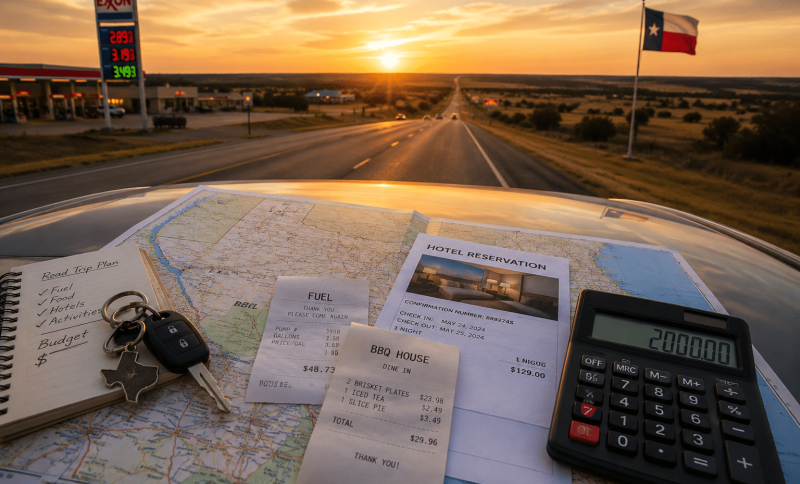
Texas is built for road trips. From the barbecue joints of Central Texas and the beaches of the Gulf Coast to the deserts of West Texas and the vibrant cities of Dallas, Austin, Houston, and San Antonio, the Lone Star State offers thousands of miles of highways waiting to be explored.
While a Texas road trip can be one of the most affordable ways to travel, costs can add up quickly if you don’t plan ahead. Fuel, food, accommodations, and vehicle expenses all play a role in your overall budget. Understanding these costs before you hit the road can help you maximize your experience without overspending.
Here’s a complete breakdown of what you can expect to spend on a Texas road trip and where you may be able to save money.
Fuel Costs: The Foundation of Your Budget
Fuel is often the largest variable expense during a road trip. Texas is a massive state, and driving from one end to the other can involve hundreds or even thousands of miles.
For example:
- Dallas to Austin: approximately 200 miles
- Houston to San Antonio: approximately 200 miles
- Dallas to Big Bend National Park: approximately 550 miles
- Houston to El Paso: approximately 750 miles
If your vehicle averages 25 miles per gallon and gas costs around $3 per gallon, a 1,000-mile road trip would require approximately 40 gallons of fuel, costing about $120.
Larger vehicles such as SUVs and trucks may consume significantly more fuel, while hybrid vehicles can help reduce expenses substantially.
Tips to Reduce Fuel Expenses
- Keep tires properly inflated.
- Avoid excessive idling.
- Use cruise control on highways when appropriate.
- Travel with minimal unnecessary weight.
- Plan efficient routes to avoid backtracking.
Using fuel-tracking apps and route planners can also help identify cheaper gas stations along your journey.
Food Costs: Budget-Friendly to Foodie-Friendly
One of the best parts of traveling through Texas is the food. Whether you’re craving brisket, Tex-Mex, seafood, or local comfort food, every region has something unique to offer.
However, dining costs can vary dramatically depending on your choices.
Budget Food Plan
Travelers who mix grocery store purchases with occasional restaurant visits can expect to spend:
- Breakfast: $5–$10
- Lunch: $10–$15
- Dinner: $15–$25
Estimated daily total: $30–$50 per person.
Mid-Range Food Plan
Those seeking local restaurants and specialty dining experiences may spend:
- Breakfast: $10–$15
- Lunch: $15–$25
- Dinner: $25–$50
Estimated daily total: $50–$90 per person.
Ways to Save on Food
- Pack snacks and drinks before departing.
- Stay at hotels with complimentary breakfast.
- Visit local food trucks.
- Share large portions when dining at popular barbecue restaurants.
- Take advantage of lunch specials.
Food is often one of the most memorable parts of a road trip, so many travelers choose to allocate extra room in their budget for regional specialties.
Hotel Costs Across Texas
Accommodation expenses can vary significantly based on location, season, and property type.
Budget Hotels
Typical nightly rate:
- $70–$120
These properties often include free parking, Wi-Fi, and breakfast.
Mid-Range Hotels
Typical nightly rate:
- $120–$220
These hotels generally offer additional amenities such as pools, fitness centers, and upgraded rooms.
Premium Hotels and Resorts
Typical nightly rate:
- $250 and above
Luxury accommodations are common in major cities and popular tourist destinations.
Alternative Lodging Options
Travelers looking to reduce costs may consider:
- Vacation rentals
- Cabins
- Campgrounds
- RV parks
These alternatives can be particularly attractive for longer road trips or family travel.
Money-Saving Hotel Tips
- Book accommodations several weeks in advance.
- Travel during off-peak seasons.
- Stay slightly outside major tourist areas.
- Join hotel loyalty programs.
- Compare rates across multiple booking platforms.
A week-long road trip with moderate accommodations can easily range from $700 to $1,500 in lodging costs alone.
Insurance: An Often Overlooked Road Trip Expense
Many travelers focus on fuel and lodging while overlooking one of the most important aspects of any road trip: auto insurance.
Before embarking on a long journey, it’s wise to review your existing coverage and ensure it aligns with your travel plans.
Insurance plays a critical role in protecting you from unexpected expenses resulting from accidents, weather events, theft, or vehicle damage.
What to Review Before a Road Trip
Check your policy for:
- Liability coverage limits
- Collision coverage
- Comprehensive coverage
- Roadside assistance
- Rental car reimbursement
- Emergency towing services
Many drivers discover they are paying more than necessary for coverage. Taking time to compare policies before traveling can potentially reduce monthly expenses while maintaining appropriate protection.
For Texas residents, comparing options for cheap car insurance in Texas may help lower ongoing vehicle ownership costs and free up additional travel budget for future adventures.
Why Insurance Matters on Long Drives
Texas weather can be unpredictable. Drivers may encounter:
- Severe thunderstorms
- Hail
- Flooding
- High winds
- Heavy traffic in metropolitan areas
Having adequate coverage can provide peace of mind when traveling through unfamiliar areas and changing road conditions.
Additional Road Trip Expenses to Consider
While fuel, food, hotels, and insurance make up the majority of costs, there are several other expenses worth planning for.
Parking Fees
Major cities such as Austin, Dallas, and Houston often charge for parking, particularly near downtown attractions.
Estimated cost:
- $10–$40 per day
Toll Roads
Texas has an extensive toll road network.
Common toll roads include:
- North Texas Tollway Authority roads
- Central Texas toll roads
- Harris County toll roads
Frequent use can add $20–$100 or more to your trip budget.
Attractions and Entertainment
Popular attractions may include:
- Museums
- Theme parks
- Historical sites
- Guided tours
- National parks
Budgeting an additional amount for activities can prevent unexpected spending.
Vehicle Maintenance
Before departure, consider:
- Oil changes
- Tire inspections
- Brake checks
- Fluid top-offs
Preventive maintenance can reduce the likelihood of costly breakdowns during your trip.
Sample Budget for a 7-Day Texas Road Trip
Here’s an example budget for two travelers:
| Expense | Estimated Cost |
|---|---|
| Fuel | $150 |
| Food | $500 |
| Hotels | $900 |
| Parking & Tolls | $100 |
| Attractions | $200 |
| Miscellaneous | $150 |
| Total | $2,000 |
Depending on your travel style, total costs could be lower or significantly higher.
Budget-conscious travelers may complete a similar trip for under $1,500, while luxury travelers can easily exceed $3,500.
Texas offers some of the best road trip opportunities in the United States. Whether you’re exploring scenic Hill Country roads, searching for the state’s best barbecue, visiting coastal destinations, or discovering small-town gems, careful budgeting can make the experience far more enjoyable.
By planning for fuel, food, lodging, and vehicle-related expenses in advance, travelers can avoid unpleasant surprises and focus on making memories. Reviewing your coverage and shopping for cheap car insurance in Texas before hitting the road is another smart way to keep transportation costs under control.
The more prepared you are before leaving your driveway, the more freedom you’ll have to enjoy everything Texas has to offer.