

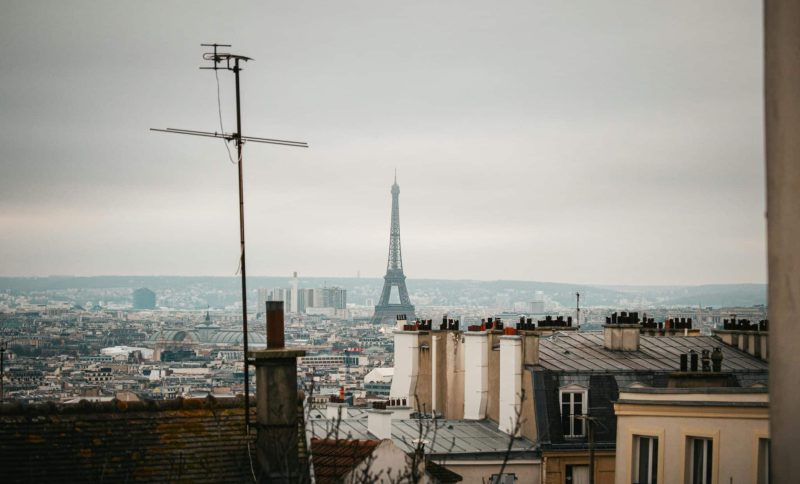
You can read about France endlessly and still arrive unprepared for what it actually feels like. The images are familiar. Cafés, boulevards, vineyards, coastal towns. But the defining part of the experience is harder to explain. It sits somewhere between pace, behaviour, and atmosphere.
According to the United Nations World Tourism Organization, France continues to lead global tourism year after year. That statistic is often used to prove popularity, but it says less about why people return. What brings people back is not just what they saw. It is how the country changed the way they moved through a day.
Time Moves Differently, Even When You Don’t Intend It To
One of the first things visitors notice is that their sense of urgency starts to soften. Not because they planned it that way, but because the environment makes it difficult to rush without feeling out of place.
Spend a morning in a neighbourhood café and you begin to see it. People sit longer than expected. Conversations stretch. Even simple interactions carry more attention. You order a coffee and find yourself staying for an hour.
This is not about leisure in the traditional sense. It is about rhythm. The day has structure, but it is not compressed. That distinction matters. It changes how you plan and how much you can realistically do without feeling drained.
The Cities Feel Designed for Presence, Not Just Movement
In many global cities, space is optimised for efficiency. In France, it often feels designed for experience.
Take Paris as an example. The layout encourages walking, not just as a means of getting somewhere, but as part of the day itself. Wide boulevards, consistent building heights, and visible sightlines create a sense of continuity. You are rarely cut off from your surroundings.
Public spaces play a role here as well. Squares, parks, and riverbanks are used, not just maintained. People gather without needing a reason. That creates a baseline energy that visitors pick up on quickly.
Attention to Detail Shapes Everyday Moments

There is a level of consideration in France that shows up in small ways. The way a bakery displays its products. The way a shop arranges its window. Even the way a table is set in a casual restaurant.
None of this feels excessive. It feels intentional.
At places like the Louvre Museum, the scale is obvious, but the experience is shaped by how movement is guided and how spaces open up. You are not just looking at art. You are moving through an environment that has been designed to hold your attention without overwhelming it.
This same principle applies in smaller settings. A local market, a quiet street, a simple meal. The details are consistent enough that they start to define the overall experience.
Conversations Carry More Weight Than You Expect
There is a noticeable difference in how people engage with each other. Conversations tend to be more deliberate. There is less small talk for the sake of filling space, and more emphasis on exchange.
For visitors, this can feel unfamiliar at first. Interactions may seem direct, even slightly formal. But over time, it becomes clear that this approach values clarity and substance.
As Simone de Beauvoir once noted, “One is not born, but rather becomes.” In many ways, that idea reflects how communication works in France. Identity is shaped through dialogue, and that dialogue is taken seriously.
Planning Around Things to Do in France Only Gets You So Far
Most travellers arrive with a list of things to do in France. Landmarks, museums, regions to visit. That planning is useful, but it only captures part of the experience.
What often stands out later are the moments that were not planned. Sitting by the Seine longer than expected. Taking a different street and finding a quiet corner that feels completely removed from the city’s pace. Spending an extra hour in a place simply because it feels right to stay.
This is where expectations shift. The trip becomes less about coverage and more about engagement. You start adjusting your plans based on how each place feels, rather than what you intended to see.
Regional Differences Change the Tone of the Experience
France is not a single atmosphere. It is a collection of distinct environments that each carry their own rhythm.
In Provence, the pace is noticeably slower. Light, space, and landscape influence how the day unfolds. In Bordeaux, there is a stronger connection to tradition and craft. Along the French Riviera, the energy shifts again, becoming more social and outward-facing.
Moving between these regions does not feel like variation for its own sake. It feels like entering different interpretations of the same cultural foundation.
There Is a Balance Between Structure and Freedom
One of the more subtle aspects of travelling in France is how structured systems coexist with a sense of flexibility.
Transport runs on time. Reservations are respected. Processes are clear. At the same time, there is space within that structure to slow down, to stay longer, to change direction without feeling constrained.
This balance is difficult to replicate. In some destinations, structure dominates and the experience feels rigid. In others, the lack of structure creates friction. France sits somewhere in between, and that makes it easier to settle into.
The Feeling That Stays With You
What people struggle to describe after visiting France is not a single highlight. It is a shift in awareness.
You become more attentive to how you spend time. You notice details more quickly. You start to recognise the difference between moving through a place and being present in it.
That is what tends to stay. Not just the memory of what you saw, but the way it changed your approach to travel itself.
Conclusion: Why It Only Makes Sense Once You’re There
France is often explained through its landmarks, its food, and its history. Those are valid entry points, but they do not fully capture the experience.
The real understanding comes from being there and adjusting to the rhythm, the attention to detail, and the way everyday life is structured. It is not something you can fully anticipate.
Even when you plan your trip around the expected things to do in France, the part that resonates most is what happens in between those plans. That is what makes the experience feel complete, and why it is so difficult to replicate anywhere else.


