








Your diet is the foundation for your health. As the popular saying goes, you are what you eat. So, if you eat a lot of processed foods, you will feel the effects. You’ll be well-acquainted with sluggishness and overeating. This is why many people make a conscious effort to improve their eating habits, especially at the beginning of a new year.
However, it is a challenging transition. If you have spent years eating the same foods, then your body will expect these things. You might find yourself craving fast food meals or drinks high in sugar. Without them, you could feel signs of withdrawal – headaches, irritability, tiredness, and so on. A bit of a surprise to experience withdrawal due to dietary changes, no? This is all normal, though, so there is no need to worry.
To make things a little easier for you, three strategies have been listed below. These simple strategies will help you build healthier eating habits this year.
Begin with Smart Swaps
Making a switch is pretty simple. You’re just swapping one thing out for another. It doesn’t even take a lot to make a difference. One or two swaps each day is plenty to have an impact. You’ll cut down on fat, salt, and sugar this way. Of course, the more swaps you make, the better your health will be. Sounds simple, right?
There are many switches to make. You could target breakfast, lunch, dinner, and/or snacks. Even drinks could be swapped for something healthier. Just think about what you typically consume and look for an alternative. For example, if you tend to have a chocolatey cereal, then choosing porridge or whole-meal toast would be preferrable.
It is beneficial to understand the foods you currently eat when choosing swaps. If you do not know the answer to what is ultra processed food?, then this is a topic to research. Remember, knowledge is necessary to make healthier choices.
Plan Meals Ahead of Time
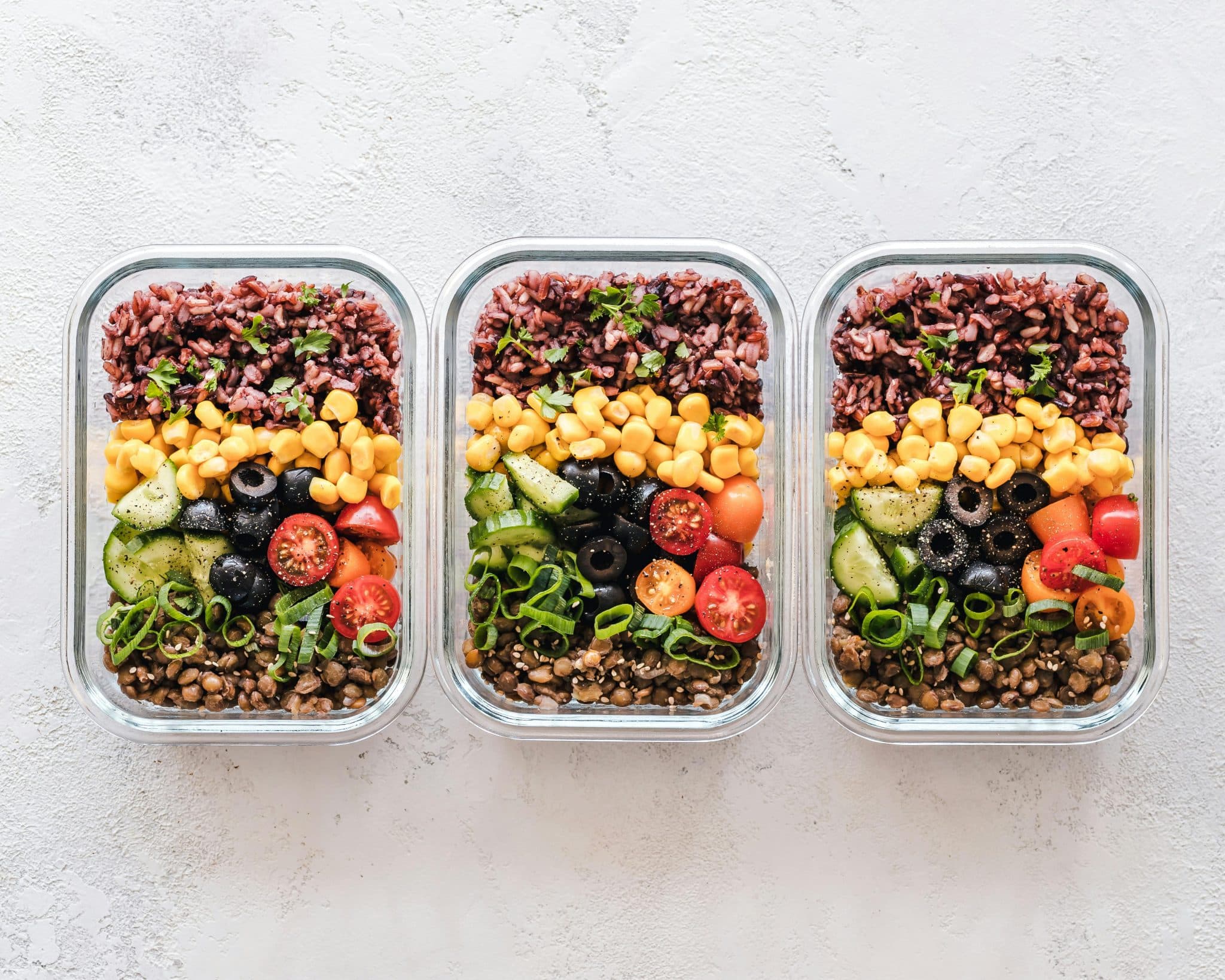
While smart swaps will help, knowing what you will eat throughout the week takes a lot of the guesswork away. It is this guesswork that could result in impulsive and unhealthy choices. Instead, if you plan your meals for the week (or even a few days), you will not only save time, but you will also make more balanced food choices.
Meal prepping is a popular concept. While it is more common in athletic/fitness circles, this is a habit that could help individuals and families make healthy changes. A consistent and healthy routine will be maintained throughout the week, even if your schedule becomes busy. It even simplifies the food shop, ensuring you only buy what you need – no unnecessary extras.
You might plan your meals, shop for ingredients, and even cook on a Sunday. This would enable you to prepare for the week, particularly if you batch cook. Not all foods need to be prepped ahead of time, though; some could be cooked on the day and paired with staple foods, like boiled rice or roasted vegetables, you cooked on Sunday.
Look at Your Eating Habits
Making changes is all well and good, but if you don’t understand your habits, it will be difficult to maintain. People who skip this step often fall victim to yo-yo dieting. They do not build develop mindfulness against emotional eating or feel the effects of a healthier diet. Fortunately, if you look at your eating habits when building healthier eating habits, you’ll feel these benefits.
Before you make changes, keep a food diary. Aim for at least seven days of data, and record everything you at during this time. Also include when you ate and your mood before and after – if something happened (were you stressed? Did you get bad news?) that caused you to crave a certain food. This information should reveal the emotional or environmental triggers for your unhealthy eating habits. You might be surprised at what you find out.
To conclude, eating habits have a big impact on your health, that’s a given. But changes could be made. The three strategies mentioned in this post are good starting points to build healthier eating habits to last long-term.