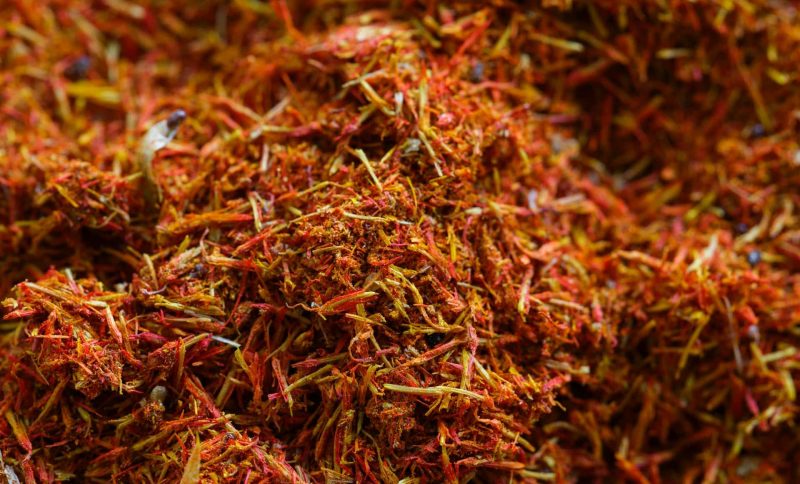
Saffron is one of the most valuable and fascinating ingredients in the world. Derived from the delicate red stigmas of the flower
Crocus sativus, this spice has been treasured for thousands of years for its flavor, color, aroma, and traditional wellness uses. From ancient Persian kitchens to modern wellness routines, saffron continues to play an important role in food, culture, and natural health practices.
In simple terms: saffron is used for cooking, beverages, traditional herbal wellness, skincare, natural dyeing, and even luxury perfumes.
Below is a comprehensive guide to what saffron is used for and why it remains one of the most sought-after spices on earth.
Culinary Uses of Saffron
1. Adding Flavor to Food
The most common use of saffron is in cooking. Its flavor is complex—slightly sweet, floral, earthy, and subtly bitter.
Just a few strands can transform an entire dish.
Popular dishes that use saffron include:
- Persian saffron rice
- Spanish paella
- Italian risotto alla Milanese
- French bouillabaisse
- Indian biryani
- Moroccan tagine
- Middle Eastern desserts
Saffron is usually soaked in warm water before being added to food. This releases its color and aroma so it can spread evenly through the dish.
2. Natural Food Coloring
Saffron produces a deep golden-yellow color. Before synthetic dyes existed, it was widely used to color foods naturally.
Examples include:
- Rice dishes
- Breads and pastries
- Butter and cheese
- Desserts and puddings
Because saffron is extremely concentrated, only a few threads are needed to produce a rich color.
3. Flavoring Beverages
Saffron is often infused into drinks for both flavor and aroma.
Common saffron beverages include:
- Saffron tea
- Saffron milk
- Persian saffron tea with honey
- Saffron lattes
- Herbal infusions
- Luxury cocktails
Many cultures drink saffron-infused beverages as part of daily rituals or seasonal traditions.
Traditional Herbal and Wellness Uses
For centuries, saffron has been used in traditional herbal practices across Persia, India, Greece, and the Middle East.
These traditions valued saffron for its aromatic compounds and natural plant constituents.
4. Mood and Emotional Balance
In traditional herbal systems, saffron has been used to support emotional well-being and relaxation.
Modern scientific research has also explored saffron’s potential role in mood support and neurological health. Studies suggest saffron and its active compounds may have antidepressant and neuroprotective properties.
The responses of creatine kinas…
Because of this, saffron is sometimes consumed in:
- saffron tea
- herbal tonics
- saffron capsules
5. Antioxidant Support
Saffron contains powerful plant compounds such as:
- Crocin
- Crocetin
- Safranal
These molecules are known for their antioxidant properties, helping neutralize free radicals in the body.
The responses of creatine kinas…
Antioxidants are important for protecting cells from oxidative stress and supporting overall health.
6. Traditional Digestive Support
In many traditional medicine systems, saffron has been used in small amounts to support digestion and appetite.
Historically, saffron infusions were used after meals to promote comfort in the digestive system.
7. Support During Physical Stress
Some research has examined saffron supplementation in relation to exercise recovery. In one study, saffron supplementation was associated with changes in markers related to muscle stress after physical activity.
The responses of creatine kinas…
While more research is still needed, this suggests saffron’s antioxidant compounds may influence how the body responds to physical strain.
Skincare and Beauty Uses
Saffron has been a prized beauty ingredient for thousands of years.
Ancient queens and royalty reportedly used saffron in their beauty rituals because of its color, fragrance, and botanical properties.
8. Skin Brightening and Radiance
Saffron is widely used in natural skincare products and home remedies.
Traditional uses include:
- saffron face masks
- saffron-infused oils
- saffron soaps
- saffron creams
Its carotenoid compounds—especially crocin and crocetin—are believed to help protect skin from environmental stress and oxidative damage.
10 Blog Ideas Saffron skin cate
9. Anti-Aging and Skin Protection
Saffron’s antioxidant compounds make it popular in luxury cosmetics and anti-aging formulations.
These antioxidants may help:
- support skin elasticity
- reduce oxidative stress
- improve overall skin tone
Cultural and Historical Uses
Saffron’s uses extend far beyond food and wellness.
10. Religious and Cultural Rituals
For thousands of years, saffron has been used in:
- sacred ceremonies
- religious offerings
- traditional weddings
- cultural celebrations
In many cultures, saffron symbolizes purity, prosperity, and luxury.
11. Natural Dye for Fabric and Art
Because of its intense golden color, saffron has historically been used as a dye for:
- royal garments
- Buddhist robes
- textiles
- paintings
Before synthetic pigments existed, saffron dye was considered extremely valuable.
Luxury and Fragrance Industry
12. Perfumes and Fragrances
Saffron has a warm, slightly leathery scent that makes it highly desirable in perfumery.
Today it appears in:
- niche perfumes
- luxury candles
- incense
- scented oils
Saffron’s fragrance adds depth and richness to high-end perfumes.
Why Saffron Is So Valuable
Saffron is often called “red gold.”
This is because producing it is incredibly labor intensive.
To produce just one kilogram of saffron, farmers must harvest around 150,000–200,000 flowers by hand. Each flower contains only three saffron threads.
This delicate harvesting process is why saffron remains the most expensive spice in the world.