Home improvement projects tend to happen reactively. Something fails or deteriorates to the point where it can’t be ignored, a contractor gets called, the specific problem gets fixed, and the home returns to a state where the next developing issue hasn’t yet demanded attention. This reactive pattern feels economical because it avoids spending money on things that aren’t visibly broken, but it consistently misses the efficiency and safety advantages that come from understanding which home systems share risk factors, deterioration timelines, and maintenance windows.
The roof and electrical system are two home systems that most homeowners never think about together. They’re in different locations, involve different contractors, and fail in ways that seem completely unrelated. The reasons to evaluate and address them together aren’t immediately obvious, but they’re substantial enough that understanding them changes how thoughtful homeowners approach maintenance planning for both.
What Roofing and Electrical Systems Share
The first thing roofing and electrical systems share is age sensitivity. Both systems have functional lifespans that, when exceeded, shift from reliable performance to increasing failure probability in ways that aren’t always visible until a failure occurs. A roof past its expected service life may look acceptable from the ground while its underlayment, flashings, and structural deck are in conditions that create water intrusion risk. An electrical system with outdated wiring, overloaded circuits, or degraded components may function normally during typical loads while presenting fire and safety risks that only manifest under specific conditions.
Both systems also share the characteristic of hidden deterioration. The components that matter most for roof performance are beneath the surface layer visible from outside. The components that matter most for electrical safety are inside walls, panels, and junction boxes that aren’t visible during normal household activity. In both cases, the visible surface condition tells an incomplete story about the actual state of the system, and professional assessment that goes below the surface reveals what determines whether the system is genuinely sound or carrying risks that aren’t apparent from routine observation.
How Roof Failures Create Electrical Hazards
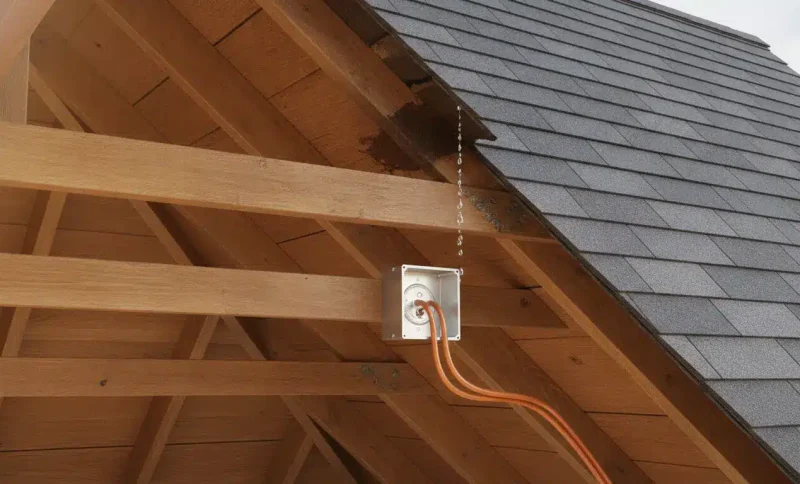
The relationship between roof condition and electrical system safety is more direct than most homeowners realize. Water intrusion from roof failures follows gravity and the path of least resistance through the building structure, and electrical components positioned throughout the building envelope are frequently in that path.
Attic electrical wiring, junction boxes, and connections are the first electrical components exposed when roof water intrusion occurs. Water contact with electrical components creates immediate short circuit risks and longer-term corrosion that degrades connection quality in ways that persist and worsen after the visible water intrusion has been addressed. A roof leak that saturates attic insulation and drips onto attic wiring creates electrical hazards that remain after the roof is repaired unless the electrical components are also assessed and addressed.
Water that migrates further into the structure from sustained roof intrusion reaches wall cavities where additional wiring runs, outlet and switch boxes where connections can corrode, and in severe cases reaches electrical panels where the consequences of water damage are most serious. The pattern of water damage following roof failures consistently involves electrical system exposure that the roof repair alone doesn’t resolve.
Why Attic Inspection Connects Both Systems
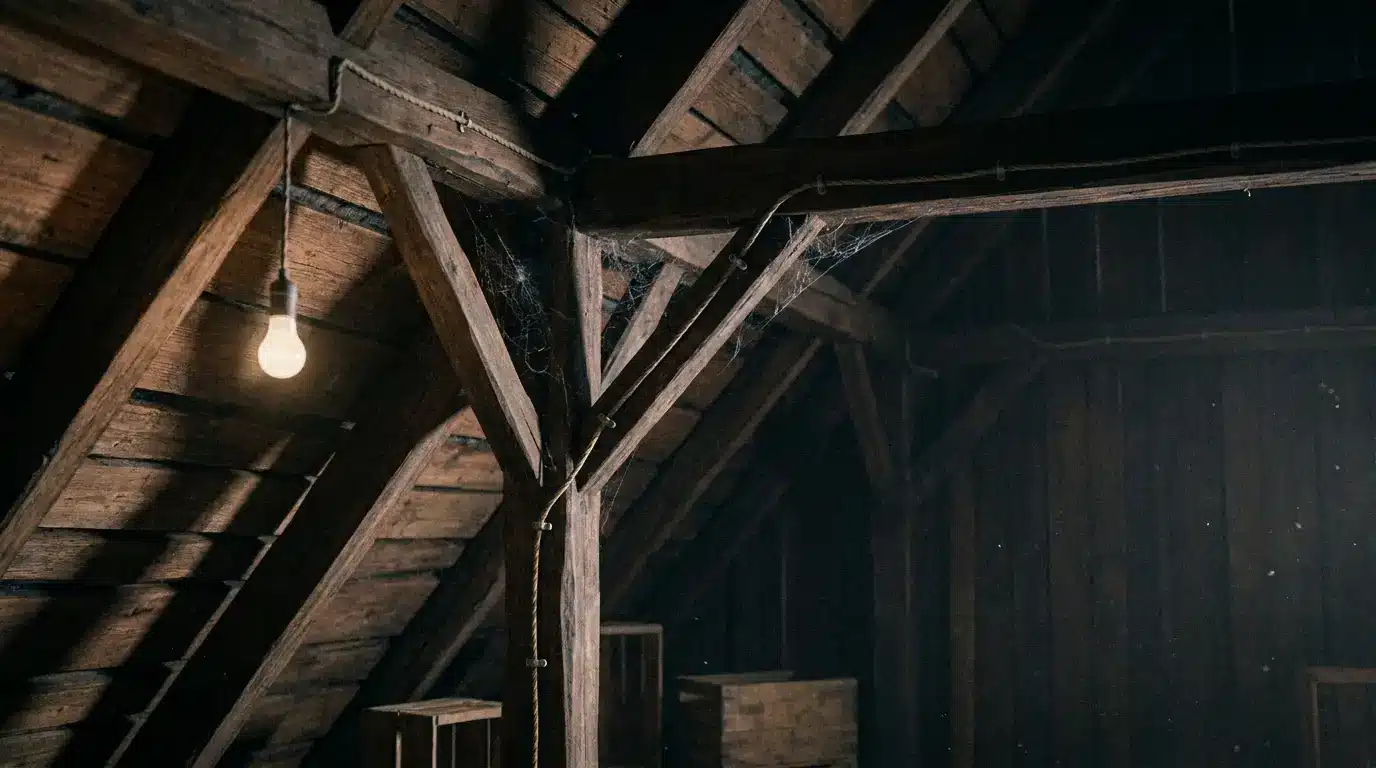
The attic is the space where roof structure and electrical distribution intersect most directly, and an inspection that addresses both simultaneously in this space is more efficient and more informative than two separate inspections that each address only one system. A roofing inspector examining the attic for signs of water intrusion, structural damage, and ventilation adequacy is positioned to observe the condition of electrical components in the same space. An electrician examining attic wiring, junction boxes, and connections is positioned to observe roof structure conditions that indicate the risk environment the electrical components are operating in.
When these inspections happen separately, each professional sees only part of the picture. The roofing inspector notes water staining on the decking without knowing whether the electrical components below the stained area have been affected. The electrician notes corrosion on a junction box without knowing whether the roof conditions above it are likely to expose those components to additional water in the future.
A coordinated inspection that brings professional roofing services and qualified electrical professionals into the same space at the same or overlapping times produces a complete picture of how the two systems are interacting, what the current risks are, and what remediation of each system needs to account for regarding the other.
Renovation Windows and Why Timing Matters
Major work on either a roofing system or an electrical system creates a practical window for the other that homeowners should recognize and use deliberately. Roofing replacement involves removing and replacing the surface layer and in many cases the underlayment, which provides an opportunity to address any attic electrical issues under conditions where attic access is already part of the active project. Electrical panel upgrades or significant rewiring projects that require attic access provide an opportunity to assess roof and insulation conditions while that access is already being used.
This timing efficiency is most valuable because the overhead costs associated with attic access, contractor scheduling, and the general disruption of having tradespeople in the home are shared across both projects rather than incurred separately. A homeowner who schedules roof replacement and electrical attic work simultaneously pays for attic access once rather than twice, and manages one disruption period rather than two.
The same logic applies to exterior access. Roofing projects that involve scaffolding or ladder positioning at specific exterior locations create practical opportunities for exterior electrical work, including inspection of exterior fixtures, weatherhead connections, and any electrical penetrations through the exterior envelope that benefit from assessment during a project when exterior access is already established.
Insurance and Documentation Considerations
Both roofing and electrical systems are subject to insurance requirements that create administrative efficiency when both are addressed together. Home insurance policies typically require roofs past certain ages to be assessed or replaced for coverage to remain in force. Electrical systems with known outdated components create underwriting concerns that affect coverage terms. Addressing both systems in coordination produces the documentation that satisfies both sets of insurance requirements in a single administrative effort rather than managing separate documentation processes at different times.
The documentation from professional assessment and work completion for both systems also serves the same purpose from a property value perspective. Buyers, appraisers, and home inspectors evaluating a property want evidence of both roof and electrical system condition, and documented professional work on both systems produces the records that support property value claims for both simultaneously.
Building the Combined Assessment Into Your Maintenance Calendar
The practical application of recognizing what roofing and electrical systems share is building their assessment into the same maintenance calendar window rather than scheduling them independently based only on when each was last individually addressed.
For homeowners with homes where both systems are approaching the age where professional assessment is warranted, scheduling both assessments in the same period rather than addressing whichever seems most pressing first produces better information and better decisions. The findings from each assessment inform the decisions about the other, and the combined picture of both systems’ conditions produces a maintenance and investment plan that reflects how the home actually functions rather than how each system functions in isolation from everything around it.
Working with electrician companies that understand how their work intersects with other building systems, alongside roofing professionals who understand the same, produces combined maintenance planning that serves the home as a complete system rather than a collection of independent components each managed without reference to what surrounds them.