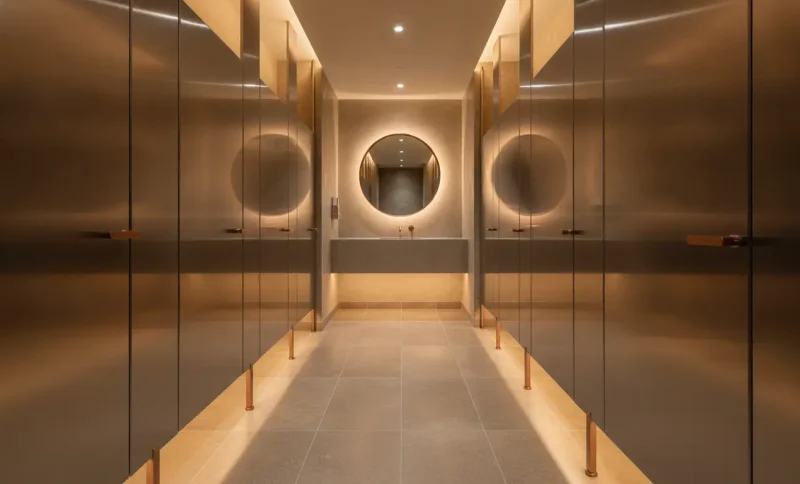
When people think about restaurant design, they usually picture the dining room first. The lighting, the tables, the menu boards, the open kitchen, maybe even the music playing in the background. Those details matter, of course. But there is another part of the restaurant experience that customers notice, even if they rarely talk about it.
The restroom.
It might not be the most glamorous part of running a restaurant, but it can leave a surprisingly strong impression. A clean, comfortable restroom supports the feeling that a restaurant is well cared for. A worn, cramped, or outdated one can do the opposite.
That is one reason more Austin restaurant owners are taking a closer look at their commercial toilet partitions. What once seemed like a basic building feature is becoming part of a larger conversation about comfort, privacy, durability, and design.
Restaurant Restrooms Are Part of the Guest Experience
A restaurant visit is not just about what arrives on the plate. Customers notice the whole environment.
They notice whether the tables feel clean, whether the room feels inviting, and whether the staff seems attentive. They also notice the restroom.
Think about it. Have you ever enjoyed a great meal, walked into the restroom, and suddenly felt like you were in a completely different building?
That disconnect can be hard to ignore.
Restaurant owners spend a lot of time thinking about the dining space because that is where most of the customer experience happens. Still, the restroom is part of that experience too. If it feels neglected, customers may start wondering what else is being overlooked.
In a city like Austin, where diners have no shortage of restaurants, cafés, bars, and food halls to choose from, small details can matter more than they seem.
Older Partitions Can Make a Restroom Feel Tired
Commercial toilet partitions take a lot of abuse.
Doors get pushed open all day. Locks are turned hundreds of times. Surfaces are cleaned again and again. Bags bump into panels, moisture builds up, and hardware slowly loosens.
Over time, those signs of use begin to show.
Scratches, dents, chipped finishes, rust, loose hinges, and doors that no longer close properly can make a restroom feel older than it really is. Even when the floors are clean and the sinks are spotless, worn partitions can give customers the impression that the space has not been updated in years.
That does not mean every restaurant needs a complete restroom renovation.
Sometimes replacing aging partitions or hardware is enough to make the entire room feel fresher.
It is a practical update, but it has a visual effect too.
Busy Restaurants Need Materials That Can Keep Up
Austin restaurants can get busy fast.
Lunch rushes, weekend crowds, festivals, game days, and late night traffic can all put pressure on restroom fixtures. In a high traffic setting, partitions need to do more than look good on opening day.
They need to hold up.
Different materials handle daily use in different ways. Powder coated steel is common because it offers a straightforward balance of cost and durability. Solid plastic can work well in areas where moisture is a concern. Stainless steel is often chosen for its clean appearance and long term strength. Laminate can offer plenty of design options, although it may require more care in certain environments.
There is no single material that makes sense for every restaurant.
The right choice depends on how busy the space is, how often the restroom is cleaned, how much moisture is present, and how the owner wants the room to look.
That is where a little planning can save a lot of frustration later.
Privacy Matters More Than It Used To
Privacy is another reason restaurant owners are reconsidering older partition setups.
Customers are more aware of restroom design now. Large gaps around doors, short panels, weak locks, and awkward stall layouts stand out.
People want to feel comfortable.
That seems obvious, but older commercial restrooms were not always designed with the same expectations in mind.
When restaurants renovate, many owners are paying more attention to partition height, door placement, sight lines, and hardware. These details can help create a restroom that feels more private without requiring a complete redesign.
And privacy has an emotional side.
A restroom can be technically functional and still feel uncomfortable. Better partitions help remove that awkward feeling and make the space easier to use.
Restroom Design Can Match the Rest of the Restaurant
Austin restaurants are known for personality.
Some spaces lean rustic and casual. Others are modern, colorful, industrial, minimalist, or playful. The dining room usually reflects that identity clearly.
The restroom can too.
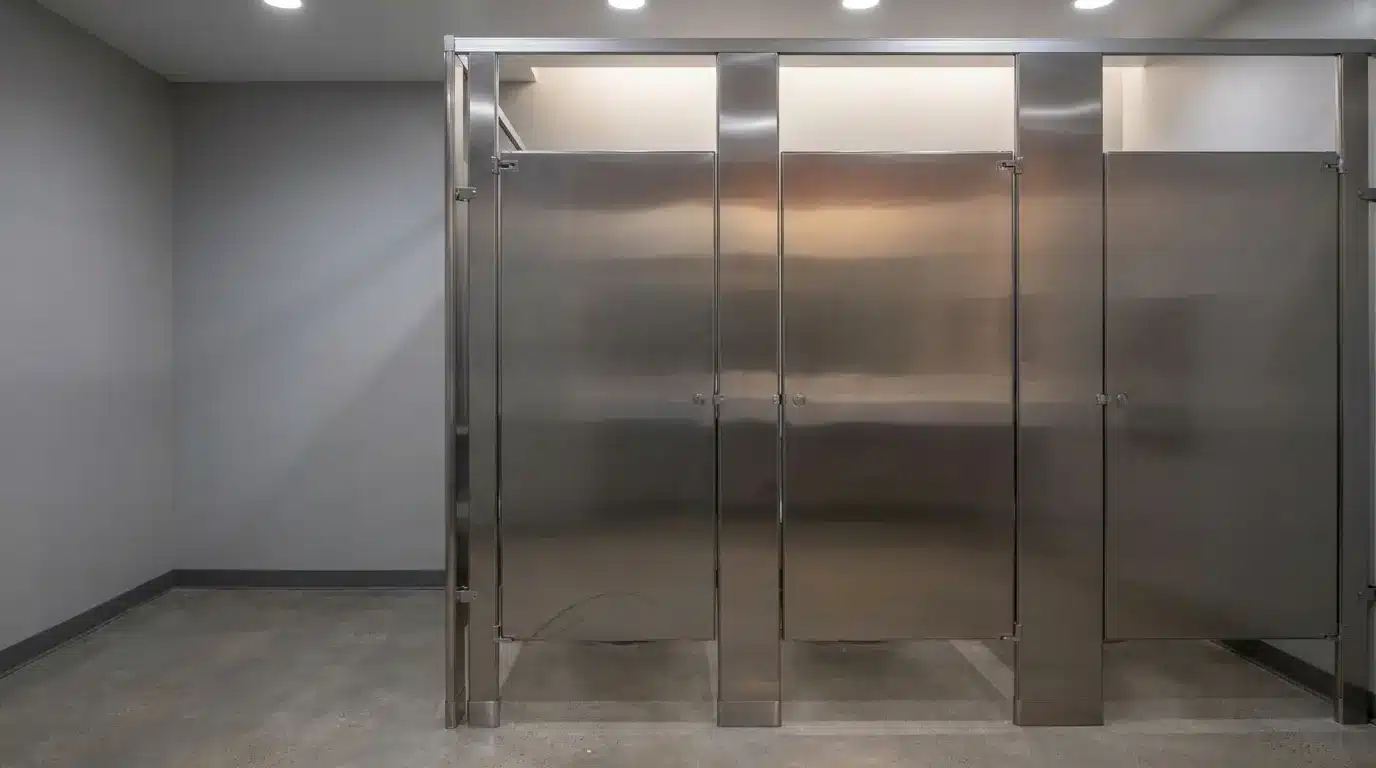
Partitions come in different colors, finishes, materials, and styles, which means restaurant owners have more flexibility than they might expect. A sleek stainless steel setup may fit a modern restaurant. A warmer color or textured finish might feel more natural in a relaxed neighborhood café.
The goal is not to turn the restroom into a design showcase.
It is simply about consistency.
When customers move from the dining room into another part of the restaurant, the space should still feel like it belongs to the same business.
That continuity can make the entire environment feel more polished.
Planning the Right Setup Takes More Than Picking a Color
Choosing new partitions involves more than deciding what looks good.
Measurements matter. Stall layout matters. Accessibility matters. Door swing, hardware placement, traffic flow, cleaning routines, and moisture levels all play a role.
Restaurant owners planning an upgrade may compare commercial toilet partition vendors in Austin to get a clearer sense of which materials, layouts, and installation approaches fit their space.
The important part is thinking through how the restroom actually works day to day.
For example, a busy food hall may need partitions that can handle constant traffic and frequent cleaning. A small café may care more about making a tight restroom feel comfortable and easy to move through.
Good planning helps avoid problems that are harder to fix after installation.
Easier Maintenance Helps Everyone
Restaurant restrooms need constant attention.
During a busy shift, staff may check them several times. Surfaces need wiping, floors need cleaning, and small maintenance issues need to be noticed before they become bigger problems.
The right partition materials can make that routine easier.
Smooth surfaces are quicker to wipe down. Durable finishes can resist everyday wear. Reliable hinges and locks mean staff spend less time dealing with doors that stick or hardware that keeps coming loose.
These improvements may sound small.
But small improvements matter when employees are already juggling a long list of responsibilities.
A restroom that is easier to maintain is more likely to stay looking good throughout the day, which customers notice even if they never say anything about it.
Small Changes Can Make a Big Difference
Not every restroom needs to be torn apart and rebuilt.
Sometimes the smartest move is simply fixing the details that create the biggest problems.
Replacing scratched panels, upgrading broken locks, improving privacy, or choosing a more durable material can change the feel of a restroom without turning the project into a major renovation.
That can be especially useful for established restaurants that want to refresh their space without interrupting operations more than necessary.
And there is something satisfying about fixing an area that has been ignored for too long.
A restroom may not be the first thing customers photograph or talk about, but it contributes to how cared for the restaurant feels.
That feeling matters.
A Better Restaurant Experience Includes the Restroom Too
Commercial toilet partitions are easy to overlook because they seem purely functional.
But they affect several things customers care about, including privacy, cleanliness, comfort, and the overall appearance of the space.
For Austin restaurant owners, that makes them worth thinking about.
A great dining experience is built from dozens of small details. The food matters most, of course, but the environment around it shapes how people remember the visit.
And sometimes the details that receive the least attention are the ones that quietly make the biggest difference.
Updating commercial toilet partitions may not be the most exciting part of a restaurant renovation, but when it helps create a cleaner, more comfortable, and more thoughtful space, it is an improvement customers can feel.