

When homeowners begin researching new windows, brand names tend to dominate the conversation. Product lines, frame materials, glass options, and warranties are compared in detail. Yet many of the problems people associate with “bad windows” have little to do with the window itself. In practice, window installation quality often has a far greater impact on comfort, durability, and long-term performance than the brand label.
This is especially true in Canada, where temperature extremes, wind-driven rain, and seasonal movement place constant stress on the building envelope. Even high-quality windows can underperform if they are not installed correctly. At the same time, modest products can perform surprisingly well when installed properly.
Why the Brand Often Gets Too Much Credit — or Blame
Window manufacturers design products to meet specific performance standards under controlled conditions. Once a window leaves the factory, however, those conditions no longer apply. Performance in a real home depends on how the window interacts with the wall assembly, insulation, air barrier, and exterior cladding.
When drafts appear, condensation forms, or frames begin to deteriorate, homeowners often assume the product itself is flawed. In many cases, the underlying issue is how the window was integrated into the opening. Brand quality matters, but it cannot compensate for gaps, poor sealing, or improper flashing.
The Window-to-Wall Interface Is Where Problems Start
Air Leakage and Moisture Intrusion
The most common installation-related failures occur at the junction between the window and the surrounding wall. Small gaps left unsealed allow air to move freely, carrying moisture with it. Over time, this can lead to cold drafts, interior condensation, and hidden moisture damage.
Installation errors at this interface are known to pose a performance risk. Guidance developed by BC Housing, in collaboration with building science specialists, explains that air leakage and moisture problems are often driven by how windows are installed rather than by the window product itself. Their Maintenance Matters: Window and Door Replacement research highlights the importance of understanding installation options as a primary performance factor rather than an afterthought.
Structural Alignment and Load Transfer
Windows are rigid components installed in structures that move. If an opening is not adequately prepared or supported, stress can transfer into the frame. This can cause subtle distortion that affects operation, sealing, and even glass longevity.
Correct installation allows the structure to move without forcing the window to absorb that movement. Poor installation does the opposite, locking the window into place and concentrating stress where it causes the most harm.
Installation Quality Outlasts Product Features
Seals, Not Specifications
Energy ratings, glass coatings, and frame design all influence theoretical performance. In real homes, however, seals determine outcomes. A perfectly rated window surrounded by poorly sealed gaps will not deliver its advertised benefits.
This is why installation quality often determines whether homeowners actually experience improvements after a window replacement. Noise reduction, thermal comfort, and condensation control depend as much on how the window is installed as on the window itself.
Long-Term Durability
Improper installation accelerates wear. Water that bypasses flashing can degrade framing. Air leaks can create condensation inside walls. These issues may not appear immediately, but they often surface years later, long after warranties expire.
Well-installed windows tend to age more predictably. Components remain aligned, seals stay intact longer, and maintenance issues are easier to manage over time.
Why Climate Makes Installation Even More Critical in Canada
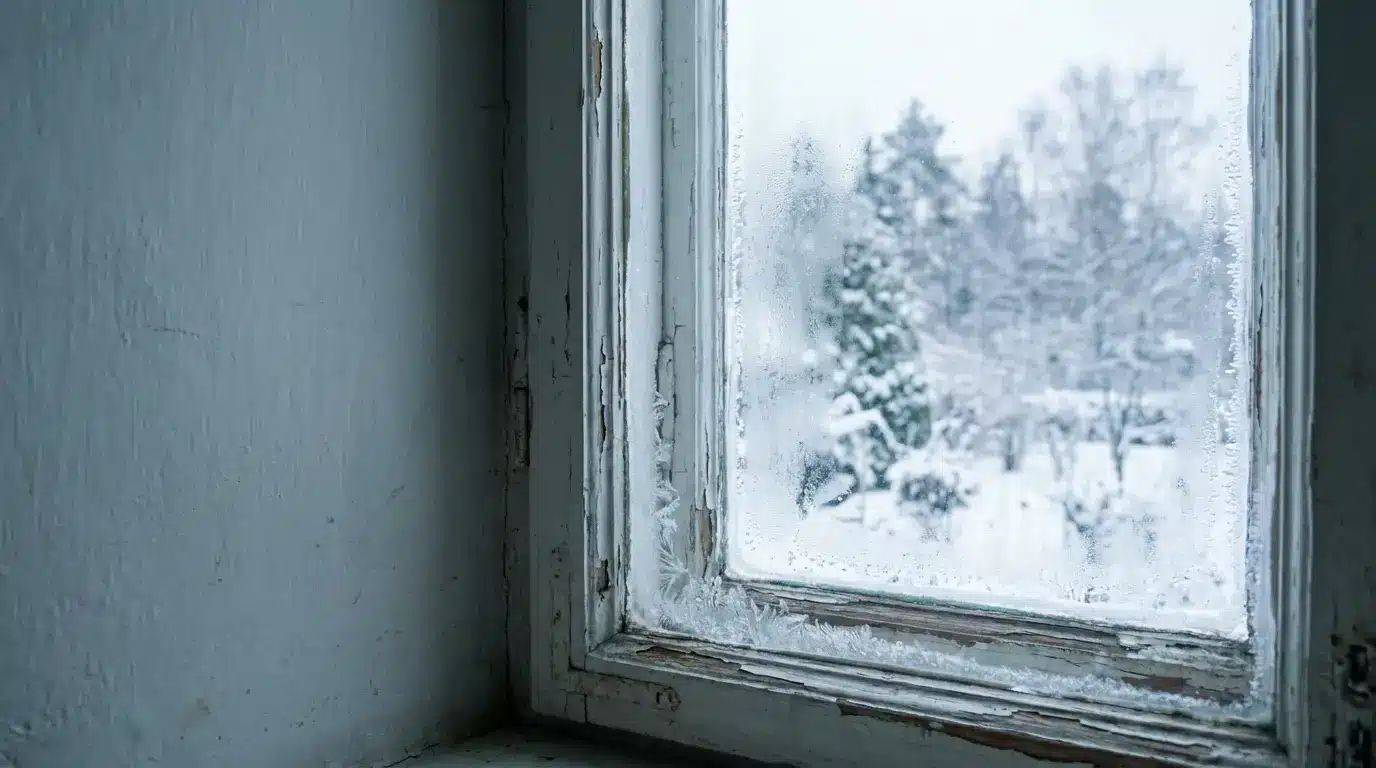
Canadian homes experience repeated freeze–thaw cycles, high wind loads, and significant seasonal expansion and contraction. These conditions magnify minor installation errors.
A window that is slightly out of square or insufficiently sealed may perform adequately in mild conditions but fail during extreme cold or heavy rain. This is one reason why installation practices that work in milder climates do not always translate well to Canadian conditions.
The Role of the Installer’s Method, Not Just Skill
Installation quality is not only about workmanship; it is also about method. Proper sequencing of air barriers, insulation, flashing, and exterior finishes is essential. Shortcuts or mismatched materials can compromise the entire assembly.
Experienced installers understand that window installation is part of a system. They account for drainage, drying potential, and future maintenance rather than focusing solely on fitting the unit into the opening.
This systems-based approach is often what separates durable installations from those that develop problems later.
Why Product Comparisons Can Be Misleading
Homeowners frequently compare windows based on features while assuming installation will be consistent. In reality, two identical windows installed by different crews can perform very differently.
This is why focusing exclusively on brand selection can lead to disappointment. Without equal attention to installation, product quality alone does not guarantee results.
For many homeowners exploring window installation options, understanding this distinction helps explain why recommendations from experienced professionals often emphasize installation approach as much as product choice.
How Installation Quality Affects Replacement Decisions
When existing windows fail, the cause is not always product age. Sometimes windows are replaced prematurely because installation issues made them perform poorly from the start.
In these cases, replacing the window without addressing installation methods risks repeating the same problems. This is why assessments that look beyond the window unit itself are critical when planning window replacement.
Windows, Doors, and the Bigger Picture
Windows do not exist in isolation. Their performance is closely tied to doors, wall assemblies, and overall building airtightness. Poor installation in one area can undermine improvements made elsewhere.
This interconnectedness is why some homeowners notice lingering issues even after investing in new windows and doors. The weakest link often determines overall performance.
A Practical Way to Think About Value
Brand reputation reflects manufacturing quality, but installation determines how that quality is expressed in a real home. From air leakage to moisture management, most long-term problems trace back to how the window was installed rather than to the brand chosen.
For Canadian homeowners, prioritizing installation quality shifts the focus from marketing claims to measurable outcomes. In the long run, this perspective leads to more reliable performance, fewer surprises, and windows that deliver the comfort they were designed to provide — regardless of the brand name on the frame.


