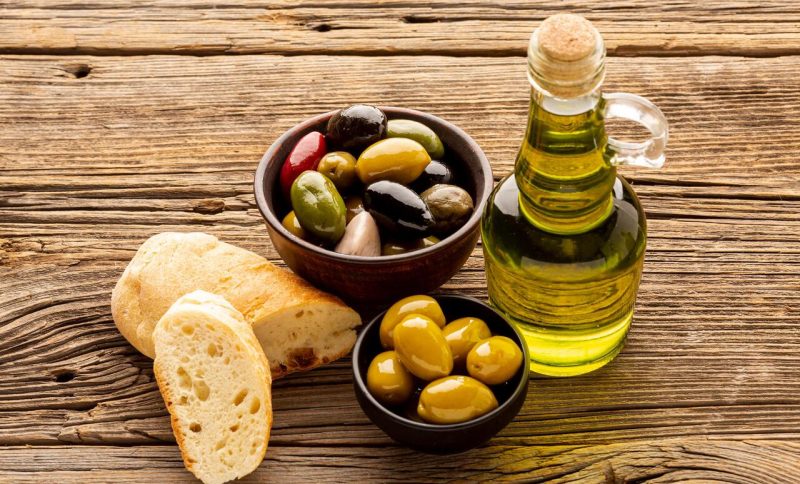
Olive oil is much more than a staple of Mediterranean cooking. Its versatility, distinctive flavor and nutritional profile have made it a popular ingredient in kitchens around the world, whether it’s used to dress a salad, roast vegetables or add the finishing touch.
But beyond its culinary uses, many people are interested in the benefits of olive oil for health and why it is so frequently associated with balanced eating patterns.
Understanding what olive oil provides, and how easily it can be incorporated into everyday meals, can help you make it a natural part of your cooking routine.
Why Is Olive Oil Considered a Healthy Choice?
One of the main reasons olive oil is valued from a nutritional perspective is its fat composition. Olive oil is primarily composed of unsaturated fats, including monounsaturated fats, and can be incorporated into balanced eating patterns such as the Mediterranean diet.
Olive oil also contains naturally occurring compounds that contribute to its nutritional profile. Extra virgin olive oil, in particular, contains naturally occurring antioxidants.
Of course, no single food or ingredient determines how healthy a diet is. Instead, olive oil can form part of a varied and balanced way of eating alongside vegetables, fruits, whole grains, legumes and other foods.
What Are the Main Benefits of Olive Oil?
The benefits of olive oil are not limited to its nutritional profile. One of its biggest advantages in everyday cooking is how easily it can be incorporated into a wide variety of meals.
Olive oil can be used for:
- Salad dressings and vinaigrettes
- Roasting vegetables
- Marinades
- Pasta dishes
- Grain bowls
- Homemade sauces
- Sautéing and cooking
- Finishing dishes before serving
This versatility makes it easy to incorporate olive oil into everyday meals without having to completely change the way you cook.
Olive Oil and the Mediterranean Diet
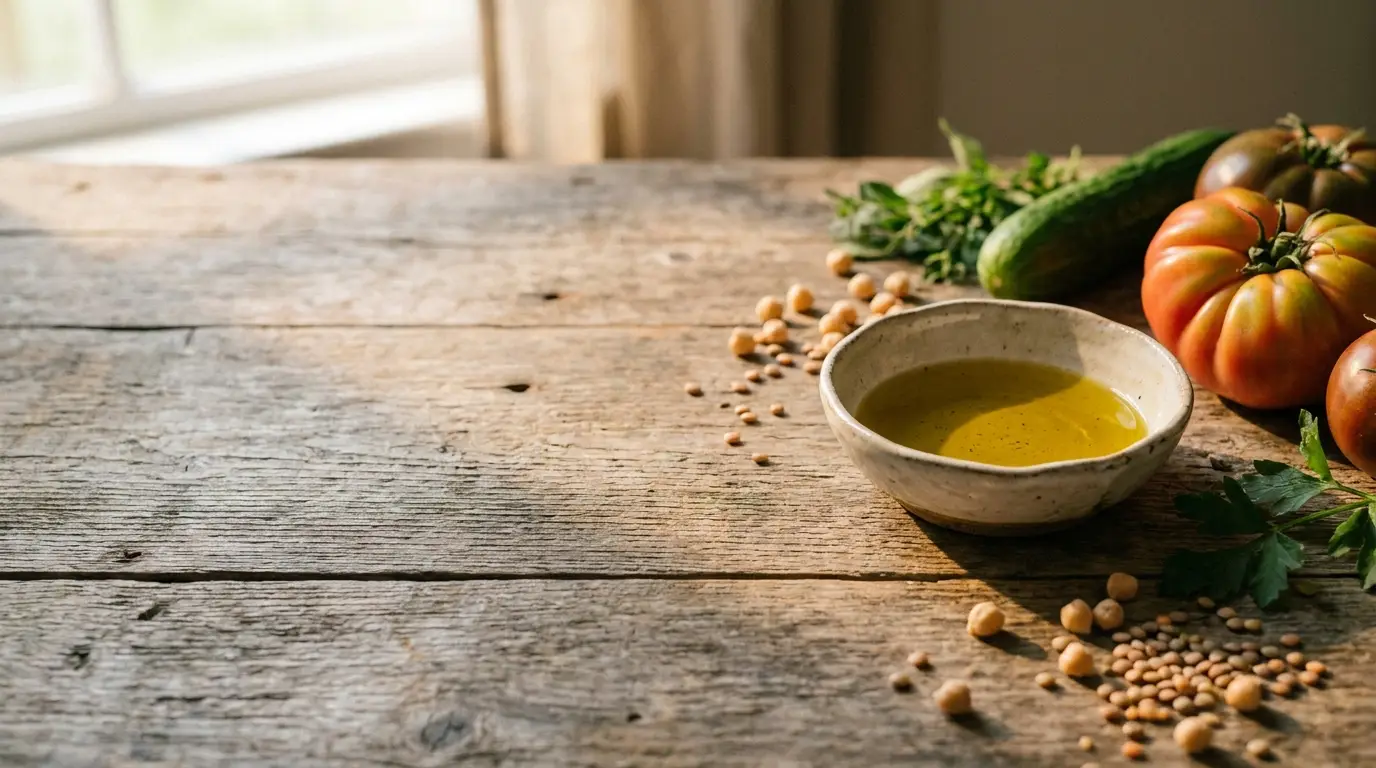
The Mediterranean diet is one of the eating patterns most closely associated with olive oil.
Rather than focusing on a single ingredient, Mediterranean-style eating traditionally brings together foods such as vegetables, fruits, legumes, grains and olive oil as part of an overall dietary pattern.
For anyone interested in learning more about olive oil health benefits, understanding its role within an overall balanced diet provides useful context beyond looking at olive oil as an isolated ingredient.
Does Extra Virgin Olive Oil Offer Nutritional Benefits?
Extra virgin olive oil is the highest-quality grade of olive oil and is valued for both its distinctive sensory characteristics and its nutritional profile.
It contains monounsaturated fats and naturally occurring antioxidants, while also offering the fruitiness and aroma associated with extra virgin olive oil.
These characteristics make EVOO particularly useful when the oil itself plays an important role in the final flavor of a dish.
For everyday meals, Bertolli Extra Virgin Olive Oils offer different options to suit a variety of tastes and cooking occasions, from homemade salad dressings and marinades to vegetables, pasta dishes and finishing recipes before serving.
Easy Ways to Use Extra Virgin Olive Oil
One of the simplest ways to incorporate extra virgin olive oil into your diet is to use it in recipes where its flavor can complement the other ingredients.
Try using it:
- Drizzled over fresh or roasted vegetables
- In homemade salad dressings
- Over grain or pasta dishes
- As part of a marinade
- In homemade sauces
- As a finishing touch before serving
These small additions can make olive oil a natural part of everyday cooking rather than an ingredient reserved for specific recipes.
Can Olive Oil Be Part of Your Everyday Cooking?
One of olive oil’s biggest advantages is its versatility in the kitchen.
It can be used across multiple cooking occasions, including sautéing, roasting, baking and finishing dishes. This makes it possible to incorporate olive oil into everything from a quick weekday dinner to a more elaborate weekend recipe.
Different varieties of olive oil also offer different characteristics, so choosing the right option can depend on the recipe, cooking method and flavor you’re looking for.
How to Make Olive Oil Part of a Balanced Diet
Incorporating olive oil into your routine doesn’t need to involve complicated recipes or major changes to the way you eat.
Simple ideas include using olive oil to roast vegetables instead of serving them plain, preparing homemade vinaigrettes for salads, adding it to marinades or using it as part of sauces and pasta dishes.
The key is to think about olive oil as an everyday cooking ingredient rather than something reserved exclusively for Mediterranean recipes.
Bringing the Benefits of Olive Oil to Everyday Meals
The health benefits of olive oil are best understood as part of an overall balanced eating pattern rather than as the result of a single ingredient.
With its unsaturated fats, naturally occurring compounds and long-standing role in Mediterranean-style eating, olive oil can be an easy and versatile addition to everyday meals.
Whether you’re preparing a salad, roasting vegetables, cooking pasta or simply finishing a dish before serving, incorporating olive oil into your routine is a simple way to combine flavor, versatility and balanced everyday cooking.