Food content has taken over social media, and everyone from home cooks to professional chefs wants a piece of the spotlight. If you love cooking, styling dishes, and sharing recipes, becoming a video creator could be the perfect path for you. Whether you dream of building a YouTube channel, growing a following on Instagram Reels, or creating short recipe clips for TikTok, this guide will walk you through everything you need to know to turn your passion for food into engaging visual content that people actually want to watch.
Why Food Video Content Is Booming
Written recipes are still valuable, but video has changed the way people consume cooking content. Watching someone chop, sauté, and plate a dish gives viewers confidence that they can recreate it themselves. It also builds trust, because people can see the process from start to finish instead of just reading instructions. This shift has opened doors for countless creators who never imagined they could turn a hobby into a career. A video creator has the unique advantage of showing personality, technique, and creativity all at once, something a blog post alone simply cannot achieve.
Getting Started as a Food Content Creator
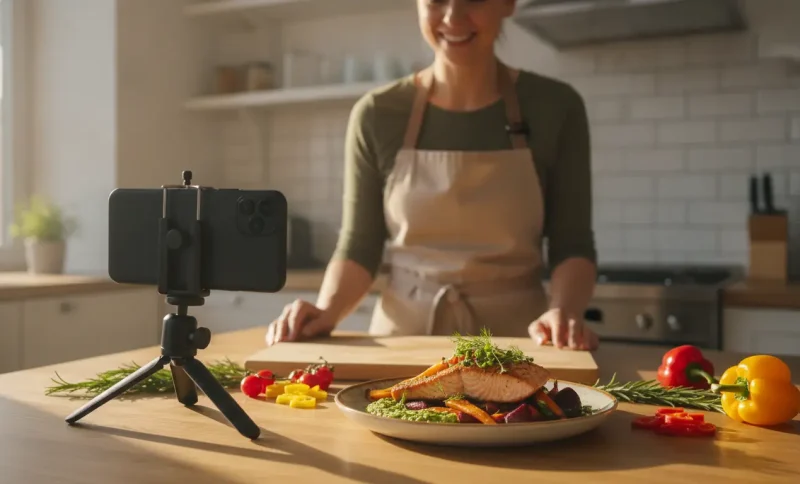
If you are new to this space, the idea of filming yourself cooking might feel intimidating at first. The good news is that you do not need expensive equipment or a professional studio to begin. Many successful creators started with nothing more than a smartphone and natural lighting from a kitchen window. What matters most in the early stages is consistency and authenticity. Viewers are drawn to creators who feel real, not overly polished or scripted.
As you grow more comfortable, you can slowly invest in better tools such as a tripod, ring light, or external microphone. These small upgrades can make a noticeable difference in production quality without requiring a huge budget. The goal is to keep improving step by step rather than waiting until everything is perfect before you start.
Choosing Your Niche Within Food Content
One of the biggest mistakes new creators make is trying to cover every type of cuisine or cooking style at once. Instead, it helps to find a niche that reflects your personality and expertise. Some creators focus on quick weeknight meals, others specialize in baking, and some build their entire brand around budget-friendly recipes or plant-based cooking. Narrowing your focus makes it easier for your audience to know what to expect from you, and it also helps algorithms recommend your content to the right viewers.
A successful video creator understands that consistency in theme builds a loyal audience faster than variety without direction. Once you have established your niche, you can slowly branch out and experiment as your channel grows.
Essential Tools Every Video Creator Needs
While you do not need professional gear to start, having the right basic tools will make your content creation process smoother. Here are a few essentials worth considering:
- A smartphone with a good camera, since most modern phones can shoot in high definition
- Natural or affordable artificial lighting to make your dishes look appetizing
- A simple editing app to trim clips, add music, and include captions
- A stable surface or tripod to avoid shaky footage
- A quiet space with minimal background noise for clear audio
As your skills develop, you might explore more advanced editing software or invest in a dedicated camera. But remember, the story and the food should always come before the equipment.
Filming Techniques That Make Food Look Irresistible
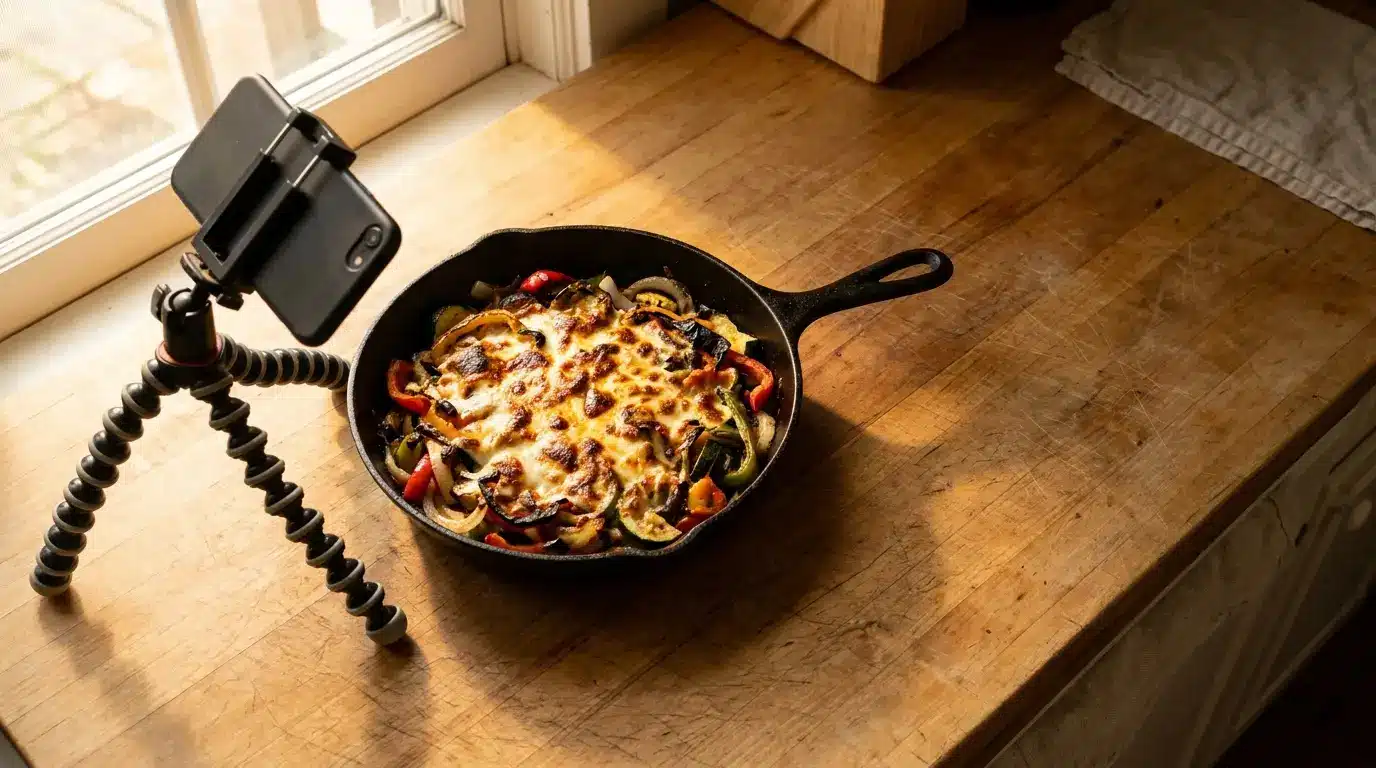
Presentation is everything in food videography. Close-up shots of sizzling pans, melting cheese, or drizzling sauce can instantly grab attention. Overhead shots work particularly well for showing the full cooking process, while side angles are great for capturing texture and steam. A skilled video creator knows how to mix these angles to keep the viewer engaged throughout the entire clip.
Lighting also plays a huge role in how appetizing your food looks on screen. Natural daylight tends to bring out the most accurate and vibrant colors, so filming near a window during the day is often the easiest way to achieve professional-looking results without extra equipment.
Editing Tips to Keep Viewers Watching
Editing can make or break your content, especially on platforms where attention spans are short. Fast-paced cuts, satisfying transitions, and well-timed music can transform a simple cooking clip into something people want to watch again and again. Many successful creators use jump cuts to remove dead space, keeping the pacing tight and engaging.
Adding on-screen text for ingredients and steps is also helpful, since many viewers watch videos without sound, especially when scrolling through social media. A thoughtful video creator always considers how their content will be experienced in different viewing conditions, whether that is with sound on, sound off, or on a small mobile screen.
Building an Audience and Staying Consistent
Growing an audience does not happen overnight. It requires patience, consistency, and a willingness to learn from analytics. Pay attention to which videos perform best, what times your audience is most active, and what kind of captions or hooks generate the most engagement. Posting regularly, even if it is just once or twice a week, helps train your audience to expect new content from you.
Engaging with comments and messages also builds a stronger connection with your followers. People love feeling like they know the person behind the camera, and that personal connection often turns casual viewers into loyal fans. A dedicated video creator treats their audience as a community rather than just numbers on a screen.
Turning Passion Into a Sustainable Career
Once your following starts to grow, there are several ways to monetize your content. Brand partnerships, sponsored posts, affiliate marketing, and ad revenue are common income streams for food creators. Some also branch out into selling digital products like recipe eBooks or online cooking classes. The key is to stay authentic to your brand rather than accepting every opportunity that comes your way, since audiences can quickly tell when a partnership feels forced.
Building a sustainable career as a video creator takes time, but the reward is being able to combine creativity, food, and community into something you genuinely love doing every day.
Final Thoughts
Becoming a successful food video creator is not about having the fanciest camera or the biggest following overnight. It is about consistency, authenticity, and a genuine love for sharing food with others. Start small, focus on your niche, and keep improving your filming and editing skills over time. With patience and dedication, anyone with a passion for cooking can grow into a respected and influential creator in this exciting space.