








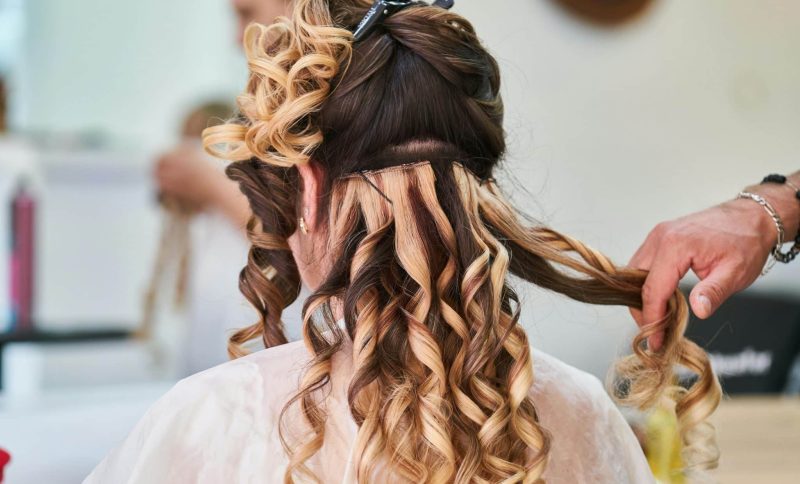
Finding the right halo hair extension shade makes a major difference between a natural look and one that appears mismatched.
A perfect color blend conceals the parting line, so natural hair and extensions move as one. The best match comes from comparing natural undertones, mid-length shades, and light reflection, rather than matching only at the roots.
Hair color often shifts from roots to ends due to sun exposure and daily styling, so the most natural match usually sits closer to the mid-section of the hair. Understanding how tone, depth, and highlights interact helps create balance and smooth transitions.
Testing colors under natural daylight can reveal subtle changes that artificial lighting can obscure.
This guide explains how to identify base color, analyze undertones, and choose a shade that blends evenly. It also covers how texture and natural light affect the final result, giving clear steps to reach a seamless finish.
Color Matching Fundamentals for Halo Hair Extensions
Accurate color matching helps halo extensions blend with natural hair so the finished style looks consistent and smooth from root to tip. Undertones, lighting, and existing highlights or color treatments all influence how the final shade appears once installed.
Assessing Your Natural Hair Color and Undertones
The foundation of a good color match begins with identifying the main tone and the underlying undertones of natural hair. Hair may appear warm, cool, or neutral depending on reflection under daylight. Warm tones show gold or red hints, while cool tones lean toward ash or beige.
People often overlook subtle undertones, which can make extensions look off even when the main color looks correct. Natural light gives the clearest view, so stepping outdoors or standing near a window helps reveal the true base tone.
Once you’ve identified the undertones in your hair, you can better match them to extensions, ensuring they blend seamlessly. For example, if you’re looking for high-quality red halo hair extensions, the key is to find a shade that mirrors the warmth or coolness of your natural hair’s undertones. Matching these details ensures a natural look without obvious lines or color differences.
Matching Extensions to Highlights, Lowlights, and Balayage
Modern hair often includes layered tones like highlights or lowlights that add texture and brightness. To match halo extensions with multi-tonal hair, it helps to choose a shade that mirrors the predominant color at the mid-length area of the strands.
For highlighted styles, blending works best when the extension color sits between the darkest and lightest parts of the natural hair. For balayage, matching the lighter ends creates a gradual flow of color.
Those with cool or ash-toned highlights should avoid warm or golden extensions, as the difference can appear harsh under certain light. Conversely, warm brunette tones mix best with golden or caramel-hued extensions.
Stylists often advise mixing two close shades for a more dimensional result. This prevents harsh color bands and gives a natural depth, especially in hair with more than one tone or previously treated color.
The Impact of Natural and Artificial Lighting on Color Match
Lighting conditions often shift how hair color appears. Direct sunlight tends to make shades look lighter, while indoor or fluorescent lighting can dull color or add unwanted warmth. Comparing shades under several types of light helps catch these differences before final selection.
For the most accurate view, people should test and photograph their hair in outdoor daylight, then compare that image to extension color charts. Indoor yellow light can distort tone by adding orange or green casts.
Cool-white LED lights often give a more neutral reading of color balance. Checking the shade under multiple environments prevents surprises after installation and keeps color shifts minimal once the hair moves from natural to artificial light.
To avoid uneven tones, stylists often match colors in the same lighting where the finished look will be most worn, like under household or studio lights. Small differences can make big visual changes.
Tips for Seamless Blending and Natural Look
A seamless blend depends on placement, styling method, and even haircut shape. Aligning the extension weft slightly below the crown helps the layers of natural hair fall smoothly over it.
Before securing the halo wire or band, brushing both the extensions and natural hair allows even distribution. Light styling with heat or waves further disguises the separation between real and added strands.
Selecting extensions that share similar thickness and texture makes a difference too. Straight hair pairs best with smooth strands, while textured hair requires slightly coarser fibers for balance.
Trimming the ends after attaching creates a tailored finish. Soft layering removes bulk and merges the two textures for a realistic appearance. Consistent care and mild shampoo maintain color accuracy longer, helping the extensions stay undetectable and natural.
Selecting and Blending the Right Halo Hair Extension Shade
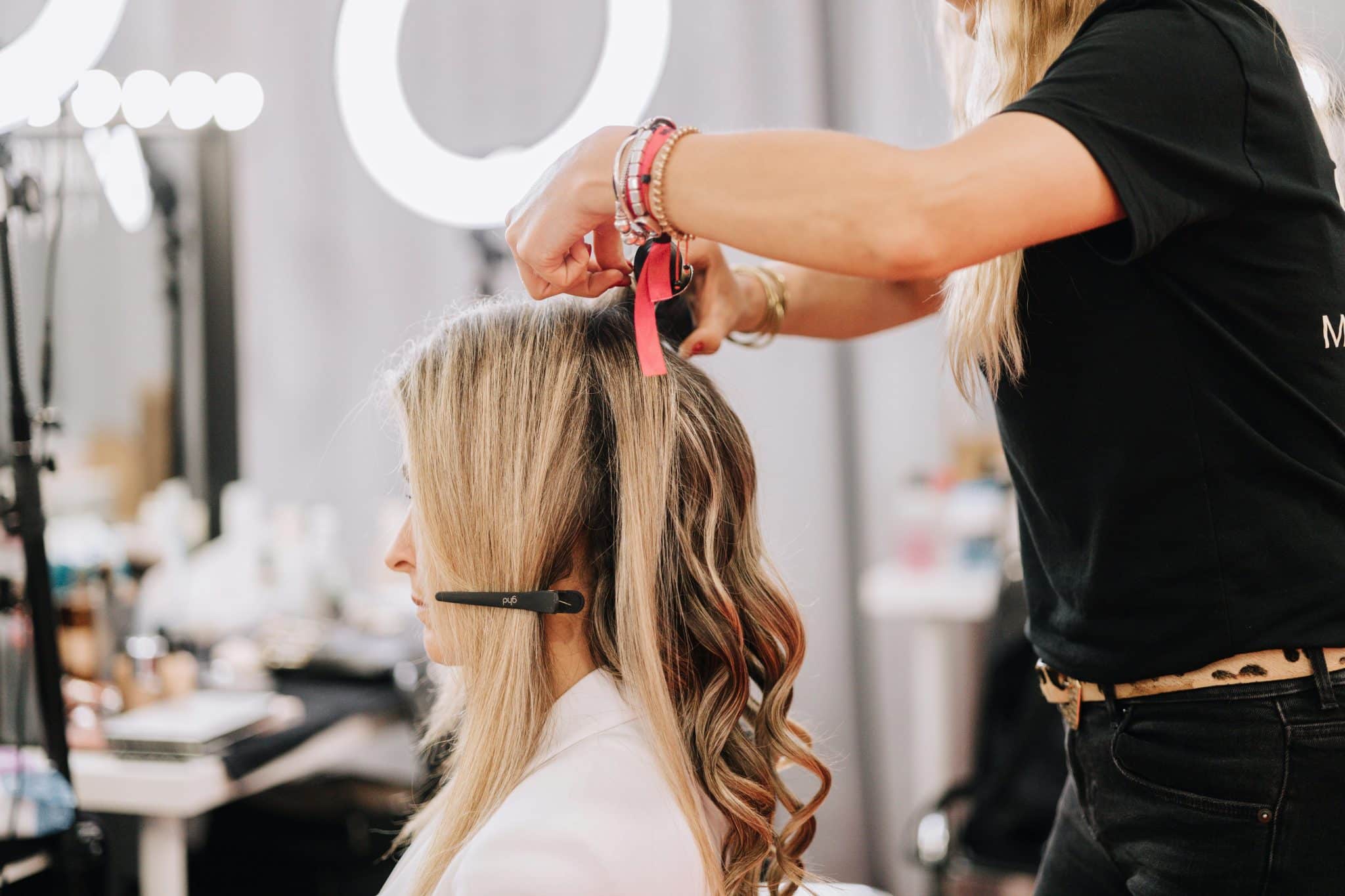
Matching Halo hair extensions to natural hair depends on more than picking a color that looks close. Undertones, lighting, and hair texture all influence how well the shades blend. Understanding color variations and using the right tools helps create a smooth, natural appearance that matches both tone and depth.
Choosing Between Single-Tone, Multi-Tonal, and Balayage Shades
Different shade types create different visual effects. Single-tone shades suit hair with a uniform color, such as natural dark brown or jet black. These give clean, consistent coverage without contrast. They blend best for those who rarely change their hair color.
Multi-tonal shades combine several similar hues across the strand. This slight variation mimics how natural hair reflects light. A person with natural highlights or slightly lighter ends will often achieve better blending with these shades.
Balayage shades include darker roots that fade to lighter tips. They work well for hair that already shows gradual color changes or length differences. Balayage Halo extensions help match layered coloring without a salon visit. For a realistic finish, matching the root color first usually gives the most seamless result.
Using Professional Color Match Tools and Color Rings
Color rings offer real-hair samples arranged by shade. They help individuals compare their natural hair to actual strands before purchase. By holding these samples near the mid-length and ends of natural hair, they can see small differences in undertone or depth that photos might hide.
Many stylists use online or in-person color match tools that analyze tone under natural light. These tools often divide shades into cool, neutral, or warm categories to simplify comparison. For example, a person with reddish undertones may find that warmer browns blend more smoothly than ash tones.
Testing several nearby shades always works better than choosing by name alone. Halo hair extensions made from human hair reflect light differently than synthetic fibers, so physical or high-resolution color rings tend to produce more reliable matches.
Photographing Your Natural Hair for Accurate Shade Selection
Accurate photos help color experts match extensions remotely. Hair should appear in natural daylight, not direct sunlight, to reveal its true tone. A clear, high-quality photo from the crown to the ends captures how shade depth changes with hair length.
Place hair down the back or over one shoulder rather than in front of the face. This angle displays mid-length tones that Halo extensions usually match. Avoid using flash or filters, since both can distort actual color by altering warmth or brightness.
For the best reference, take a few photos from different angles. Include one close-up of the ends and one of the overall length. These images allow specialists to suggest a precise shade or even a mix of two tones for the most natural look.
Conclusion
Color matching for Halo hair extensions depends on attention to tone, light, and natural shade variation.
Small shifts in undertone or depth often create the difference between a natural blend and a visible line. Testing in daylight helps reveal how subtle hues interact with real hair.
A thoughtful shade choice also supports texture balance and easy styling. Layers, soft curls, or a gentle trim help the extensions merge smoothly with natural strands. Even simple adjustments can make the overall look appear cleaner and more natural.
A clear focus on tone accuracy leads to long-lasting results. By comparing colors under both indoor and outdoor light, anyone can select a match that remains even in different environments. Proper care and small refinements allow the hair to move freely while maintaining a consistent color flow.
The most seamless match reflects the wearer’s natural hair tone, blends evenly, and keeps the style cohesive. Careful comparison, good lighting, and attention to small details guide the selection process and create a polished, realistic finish.