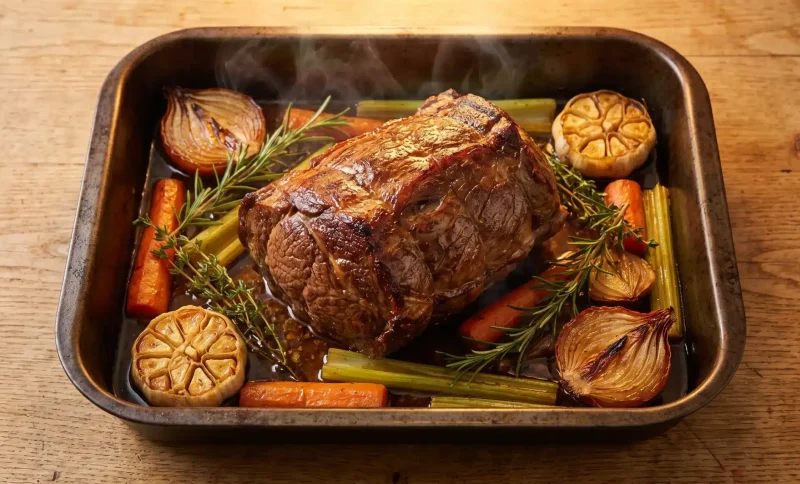
A well-cooked beef roast has plenty of flavour on its own, but aromatics can make it noticeably richer and more complex. Ingredients such as onions, garlic, herbs and root vegetables release fragrant compounds as they cook, surrounding the beef with layers of savoury flavour. By choosing aromatics carefully and using them at the right stage, you can enhance the meat without overpowering its natural character.
Aromatics Build a Richer Flavour Base
Aromatics work by releasing flavourful compounds when exposed to heat. As onions soften, garlic mellows and herbs warm in the roasting tray, their flavours combine with the beef juices and rendered fat. This creates a more rounded base that influences both the meat and any accompanying gravy or pan sauce.
When following a classic roast beef recipe with tips for the perfect roast, you can use aromatics to complement the cooking process rather than distract from the beef itself. Placing them around or beneath the joint allows their flavours to develop gradually while the roast cooks.
Onions and Garlic Add Savoury Sweetness
Onions are especially useful because prolonged roasting encourages caramelisation, the browning process that develops deeper, sweeter flavours. Their natural sugars become richer as they cook, balancing the strong savoury character of roasted beef.
Garlic behaves differently. Whole cloves or halved bulbs become softer and less sharp during roasting, developing a mild, nutty sweetness. You can place garlic directly in the roasting tray or tuck cloves near the beef so that their aroma mingles with the meat juices without becoming dominant.
Herbs Bring Freshness and Complexity
Woody herbs such as rosemary, thyme and sage stand up well to the extended heat of roasting. Their aromatic oils complement beef particularly well, adding earthy and slightly resinous notes that make the overall flavour feel more complete.
You can place sprigs beneath the beef, scatter them among the vegetables or combine finely chopped herbs with oil before rubbing them over the surface. Using herbs in moderation is important. You want them to support the beef rather than mask the flavour of the meat.
Root Vegetables Deepen the Roasting Juices
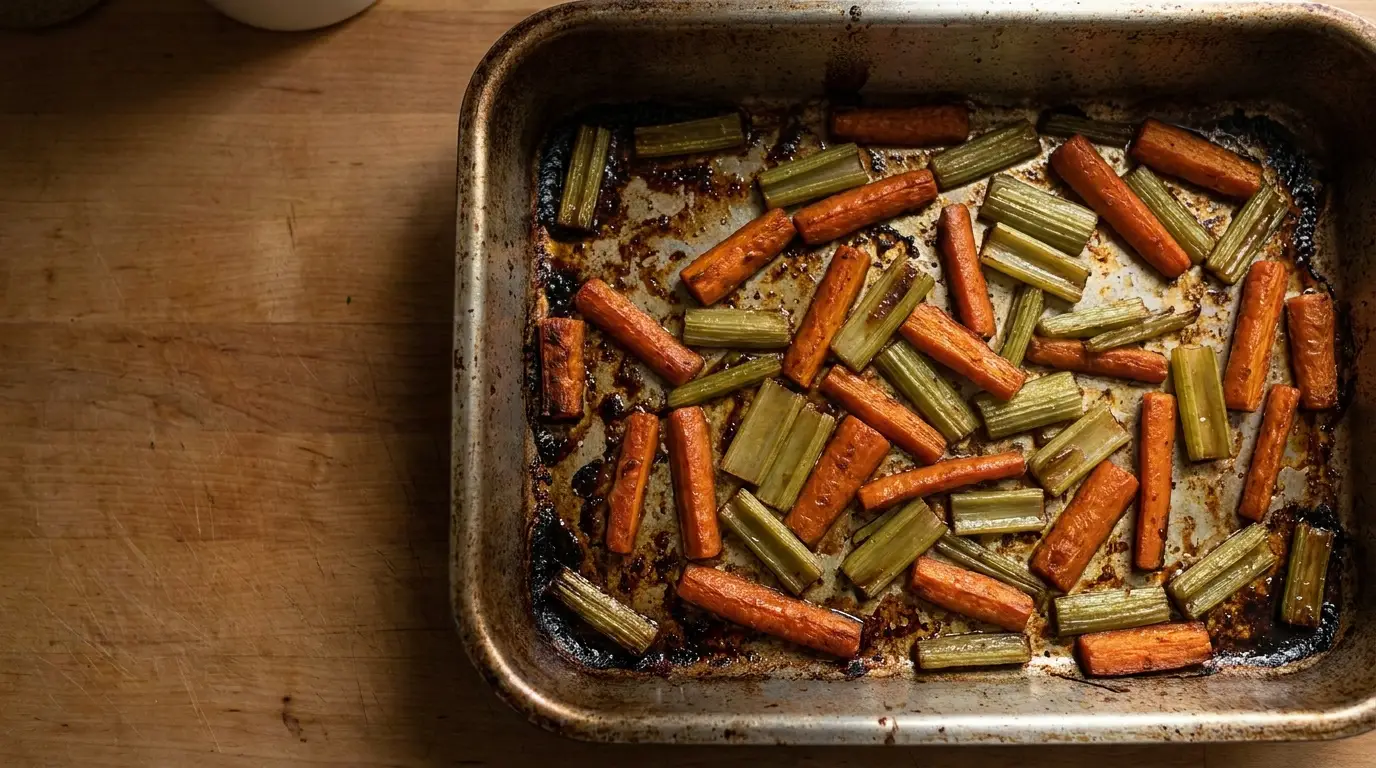
Carrots, celery and similar vegetables do more than provide a side dish. As they roast beneath the beef, they absorb fat and juices while releasing their own sweetness and savoury flavours into the tray.
Together with onions, these vegetables create a simple mirepoix-style base that can make the roasting juices more flavourful. Once the beef has rested, you can use the liquid left in the tray as the foundation for gravy, giving you a sauce that already contains concentrated flavours from the meat and aromatics.
Heat Transforms Aromatics as They Roast
The way aromatics taste before cooking can be very different from how they taste after an hour or more in the oven. Heat softens sharp flavours, concentrates natural sugars and encourages Maillard reactions, which create many of the browned, savoury flavours associated with roasted foods.
This is why simply placing aromatics in the tray can have such a noticeable effect. As their surfaces brown and their moisture evaporates, their flavours become more concentrated, adding complexity to the juices surrounding the beef.
Timing Helps Keep Aromatics Balanced
Not every aromatic needs to cook for the same length of time. Large pieces of onion, carrot and celery can usually roast alongside the beef from the beginning, while more delicate herbs may lose freshness if exposed to intense heat for too long.
You can add sturdy aromatics early and introduce more delicate ingredients later when necessary. This approach helps you build several layers of flavour while preventing garlic, herbs or smaller vegetables from burning and creating unwanted bitterness.
Let Aromatics Support the Beef
The best aromatics do not compete with a beef roast; they make its natural flavours more pronounced. By combining onions, garlic, herbs and vegetables thoughtfully, you create depth through sweetness, savouriness and gentle fragrance. Keep the quantities balanced, allow the ingredients to brown properly and use the resulting roasting juices, and you can give your beef roast a fuller, more developed flavour without making the cooking process unnecessarily complicated.