
You’re standing at the egg cooler, scanning cartons stamped with “organic,” “free-range,” “pasture-raised” and “cage-free.” The labels sound alike, yet the prices on the shelf suggest they promise different things. Some claims come with federal rules and farm audits behind them. Others are closer to marketing language.
Knowing the difference helps you spend your grocery budget on the standards you care about most. This guide explains what each label covers and why a hen’s feed shapes nutrition. It then points you to two top-rated USDA-certified organic egg brands that meet high standards for feed and hen care.
1. Decoding the Labels at the Egg Cooler
The egg aisle gets confusing because carton claims don’t all carry the same weight. Some terms are loosely defined marketing language, while others rely on federal rules or independent farm audits. A carton that says “farm fresh,” for example, tells you very little about how the hens live or what they eat.
USDA Organic is one of the most detailed federal standards you’ll find on a carton. Producers must feed their flocks 100% organic feed, which rules out genetically modified grain and synthetic pesticides. Organic hens also need access to the outdoors, and producers can’t give them antibiotics. Accredited certifiers inspect organic farms every year and review detailed records. That means the green-and-white seal reflects ongoing oversight rather than a one-time promise.
Organic rules set a baseline for outdoor access and space, but they stop well short of true pasture. That’s where a second certification comes in.
2. What Pasture-Raised Actually Means
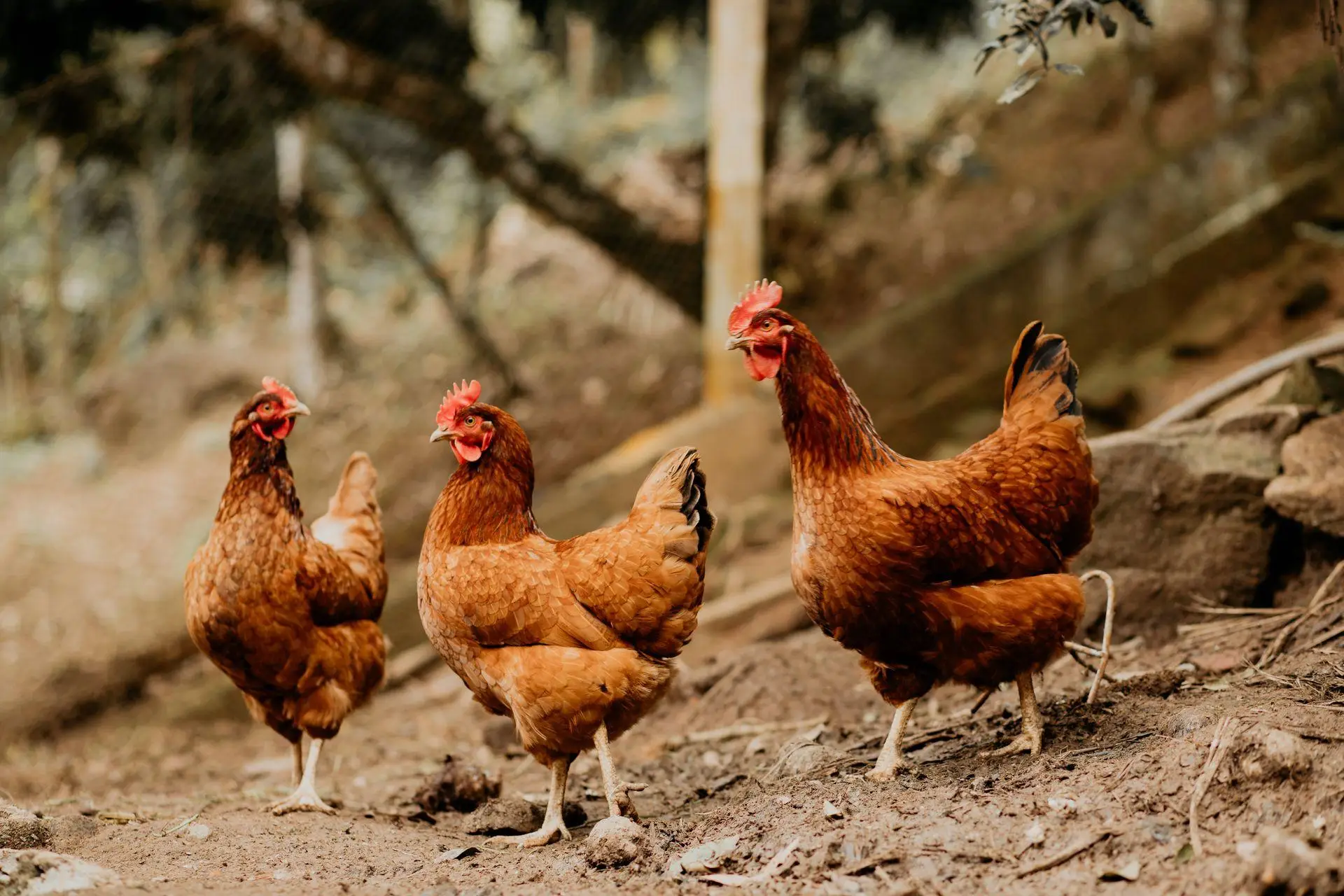
Image Source: Bruna Fossile on Pexels
Free-range sounds idyllic, but the term alone promises less than you might expect. Under USDA grading rules, free-range hens must be able to go outside throughout their laying cycle, but the rules set no minimum amount of outdoor space. Pasture-raised has no federal definition at all, so the claim only carries weight when an independent certifier backs it.
Certified Humane, a program run by the nonprofit Humane Farm Animal Care, sets one of the clearest benchmarks. Its pasture-raised standard keeps hens outdoors year-round and requires 108 square feet per bird on rotated land. Farmers move flocks through sections of the pasture so the rest of the field can recover. That rotation keeps hens foraging on fresh vegetation instead of bare ground.
Resting fields regrow grass and plants, and hens get room to scratch, dust bathe and explore. The two labels are verified separately, which means you’ll sometimes spot both on the same carton. When it does, you get verified organic feed and verified hen husbandry in a single purchase.
3. How Hen Diets Shape Egg Nutrition
Feed, not housing, shapes the nutritional makeup of an egg. Where a hen lives matters for her welfare, while what she eats determines what ends up in the yolk. Conventional layer feed often centers on corn and soybean meal. Organic feed uses similar grains, grown without synthetic pesticides or genetically modified seed. Hens with outdoor access also eat insects and plants, which adds variety to their diet.
Research on laying hens shows how diet directly affects eggs. When researchers swapped the oil source in hens’ feed, the fatty acid profile of the yolks shifted, including omega-3 levels. Flaxseed oil, for example, raised levels of the plant-based omega-3 fatty acid alpha-linolenic acid.
When nutrition is your priority, look at what the hens eat rather than where they live. Organic certification confirms the feed meets federal standards. Housing labels speak to how the hens live, while feed labels speak to what’s inside the shell.
4. Top-Rated Organic Egg Brands to Try
Once you know which labels uphold real standards, the next step is to find brands that meet them. These two top-rated brands pair USDA Organic certification with Certified Humane verification.
Sauder’s Eggs
Sauder’s Eggs serves as an extension of the family farms and farmers behind its eggs, helping them sell and market their flocks’ produce. Its USDA-certified organic eggs include an organic pasture-raised line of brown eggs. Hens in this line eat a vegetarian organic feed of non-GMO grain and forage for insects and vegetation on pasture.
Hen husbandry sits at the center of the brand’s approach. Every carton in the organic pasture-raised line carries both USDA Organic and Certified Humane verification, so separate certifiers check the feed and the hens’ living conditions. Sauder’s Eggs also offers an organic free-range line whose farm partners follow Certified Humane standards. Either option lets you confirm both standards from the label alone.
Pete & Gerry’s
Pete & Gerry’s offers another option that pairs USDA Organic certification with Certified Humane verification. The company partners with family farms, and its organic pasture-raised egg line meets Certified Humane pasture-raised standards. Hens in that line spend their days outdoors on a rotating pasture with room to forage and dust-bathe.
The brand also sells organic free-range brown eggs, which carry both certifications from separate third-party auditors.
With either brand, you can count on verified organic feed and hen husbandry standards.
Common Questions About Organic Eggs

Image Source: Natali Yakovleva on Pexels
A few questions come up often when you start comparing cartons. These quick answers cover the most common ones.
Are All Organic Eggs Pasture-Raised?
No. USDA Organic focuses on feed and farming practices and sets a baseline for outdoor access. Pasture-raised is a separate claim, and a third-party certification like Certified Humane verifies it. A carton may be organic without being pasture-raised, and the reverse is true as well.
Why Do Organic Eggs Cost More Than Conventional Eggs?
Organic feed typically costs more to produce because farmers grow it without synthetic pesticides or genetically modified seed. Annual inspections, recordkeeping and extra outdoor space add to operating costs too. The higher price reflects verified standards rather than just a label.
Does Shell Color Affect Egg Nutrition?
No. A hen’s breed determines shell color, while her feed shapes what’s inside. A brown egg and a white egg can offer the same nutrition when the hens eat the same diet.
Final Thoughts on Choosing USDA Certified Organic Eggs
The next time you’re at the egg cooler, start with the USDA seal to confirm the feed meets federal organic standards. Then look for a third-party welfare certification, such as Certified Humane, if outdoor space and hen husbandry matter to you. Keep in mind that feed shapes nutrition, while housing labels describe how the hens live.
Once you know which labels carry real standards, the choice gets simpler. Brands that pair both certifications make the check even easier. You can skip the guesswork, compare cartons with confidence and pick eggs that match your priorities for your table and the farms behind it.