The battery in an electric bike does not have a universal replacement date. Its useful life depends on use, charging, and storage, and its capacity can decline even while the bike is parked. For everyday riding, the more useful question is whether it still delivers the range you need—and whether a recent change points to ordinary wear, different riding conditions, or a problem that needs attention.
Battery Lifespan and Range Are Two Different Things
Battery lifespan describes how long the pack remains useful over its working life. Range is the distance you can ride on one charge. A mileage claim tells you about the second question, not how many years the battery will last. Keep those two measures separate when comparing bikes or deciding whether your current battery needs replacing.
Charge cycles measure accumulated use, not the number of times you plug in. Using half a battery’s capacity, recharging, and repeating that pattern adds up to roughly one full cycle—not two. A cycle-life figure also needs context: what capacity remains at that point, and under what conditions? It is not an expiration date.
Why Ebike Batteries Lose Capacity Over Time
Lithium-ion batteries age through use and the passage of time. As capacity falls, the pack holds less energy than it did when new. Leaving an ebike unused does not freeze that process, and storage conditions matter alongside how often you ride.
That distinction explains why a battery can reach a full-charge indication yet no longer support the same ride. Fully charged means full for its current condition; it does not mean restored to its original capacity. Nor does a shorter ride, by itself, tell you exactly how much capacity has been lost.
For gradual wear, the replacement decision is partly practical. A smaller energy reserve may become inconvenient sooner for someone with a long round trip than for someone making brief neighborhood rides. Judge that change against your own routine rather than replacing a battery simply because another rider did. Physical warning signs are a separate matter.
Does Shorter Range Mean You Need a New Battery?
Not necessarily. A colder day, a hillier route, extra weight, or more motor assistance can change how far a charge takes you. Tire pressure matters, too. A ride that uses more energy is not automatically evidence that the battery has permanently lost capacity.
Start with a fair comparison. On a battery with no damage or warning signs, note energy use on a familiar route under similar conditions. Keep assistance, load, and tire pressure reasonably consistent, within the bike and tire manufacturers’ limits. A few comparable rides are more informative than one unusually demanding outing; deliberately riding until the battery is empty is unnecessary.
If a substantial decline persists, ask the manufacturer or a qualified ebike service provider about an assessment. Your riding notes can help explain the change, but they are not a battery-capacity test. Do not open the pack or try to revive it by replacing individual cells yourself.
Unusual heat, swelling, leaking, an unfamiliar odor, or odd noises are reasons to stop using the battery—not to try another ride. Contact the manufacturer for safe handling guidance. If there is smoke or an active fire, move away, get others out, and call 911 rather than handling the pack.
Everyday Habits That Help Protect Your Battery
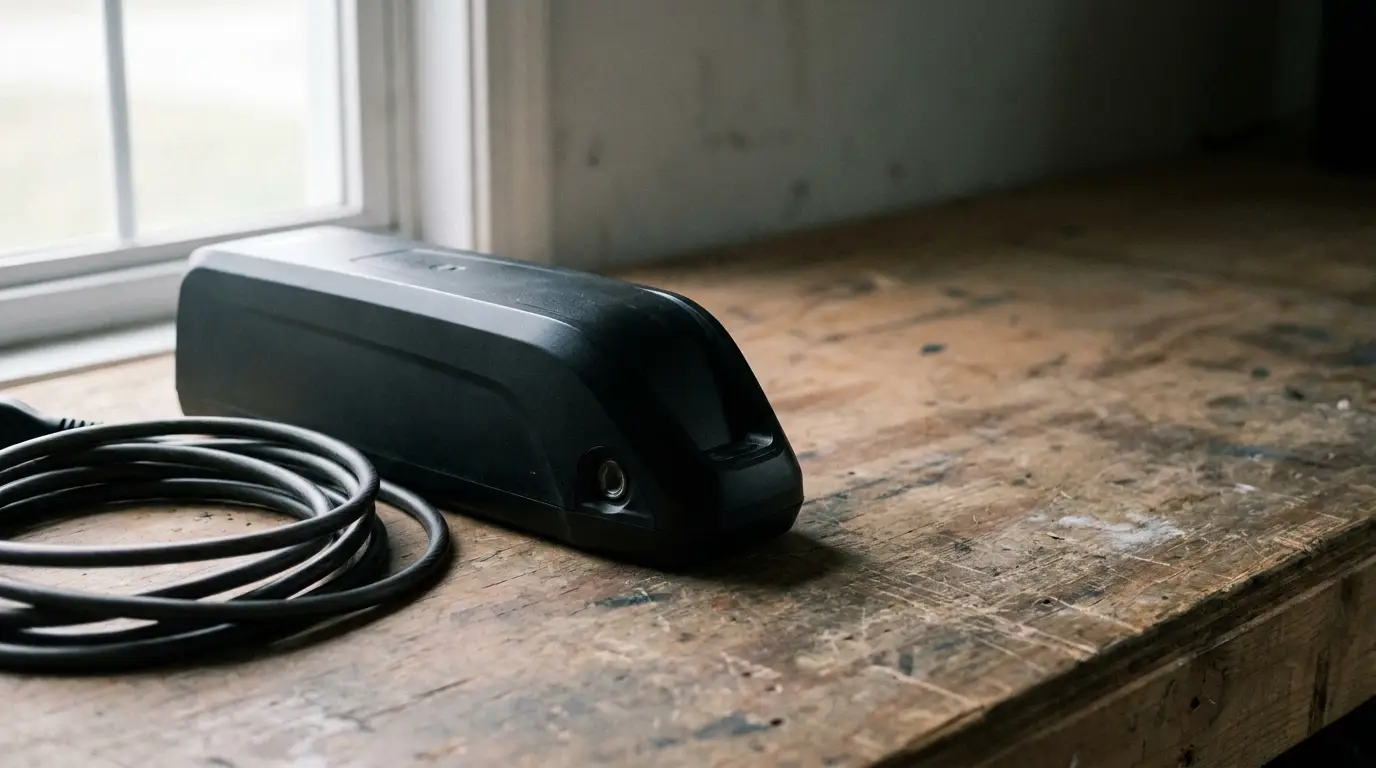
Start with the charger supplied with the bike. If it needs replacing, get a replacement confirmed by the manufacturer as compatible with your specific battery. A connector that fits is not enough: the U.S. Consumer Product Safety Commission warns that so-called universal chargers can still be electrically incompatible.
Charge while you are awake and present, not while you sleep or after leaving home. Follow the charging instructions and unplug when charging is complete. Make that part of the routine instead of leaving the bike connected indefinitely so it is always ready.
Keep the battery away from direct sunlight and hot cars. Before putting the bike away for an extended break, check its manual for storage charge level, temperature, and when to check or recharge it. Those instructions need to match the battery you own; another system’s preferred percentage is not automatically the right target.
Choose Battery Capacity Around Your Daily Mileage
When comparing a long range electric bike with your usual needs, start with the entire round trip and leave room for less favorable conditions. Watt-hours describe stored energy, not years of service. More capacity can provide additional range under otherwise comparable conditions, but a larger number alone does not prove a longer battery lifespan.
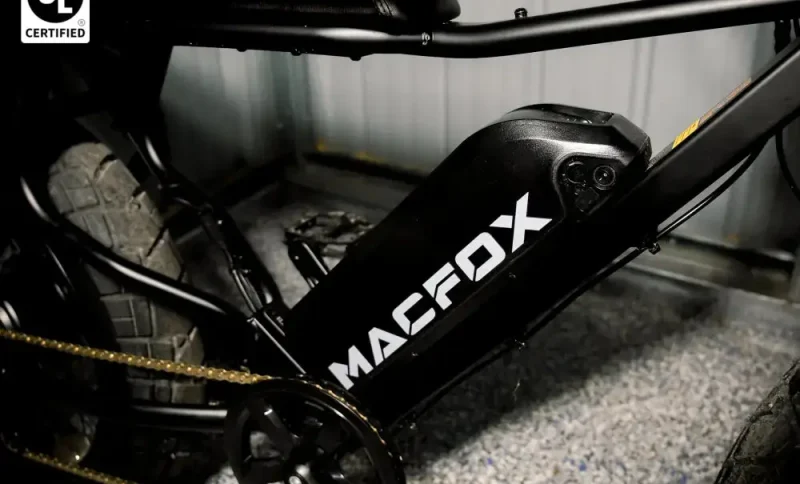
For a concrete example, the Macfox X7 electric bike has a 624 Wh battery and a single-battery range rating of up to 35 miles under the manufacturer’s stated laboratory conditions. For riders comparing it with their daily mileage, those figures are a starting point for assessing range headroom—not a promise of 35 miles on every ride or a measure of how many years the battery will last.
Choose enough range for your actual rides, follow the battery’s care instructions, and investigate changes rather than guessing from age alone. The goal is not to stretch a battery’s life at any cost. It is to keep the bike useful without overlooking when the battery needs professional attention.