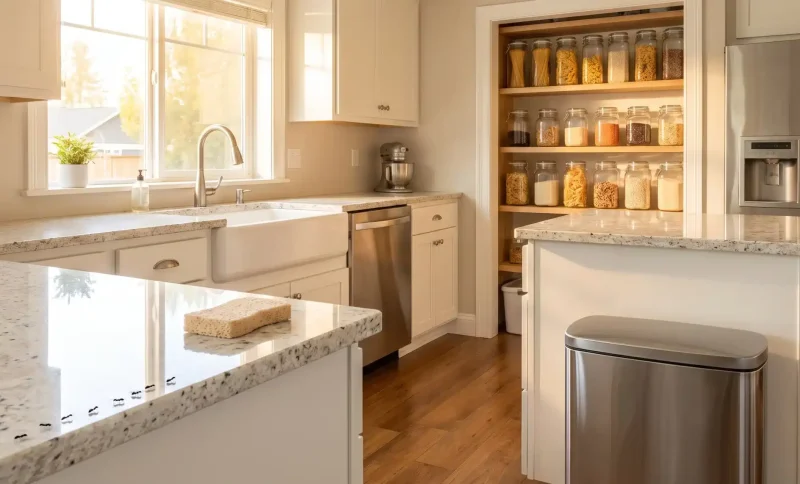
Food preparation and storage areas can become some of the most attractive places for pests inside and around a home. Kitchens provide easy access to crumbs, grease, spilled drinks, and food scraps, while pantries contain concentrated supplies that can remain undisturbed for weeks or months. Dining areas can collect small pieces of food beneath furniture, and outdoor cooking spaces often combine food residue, trash, moisture, and warmth. For ants, cockroaches, flies, rodents, and pantry pests, these conditions can provide dependable opportunities to feed.
Keeping these areas less appealing does not require a spotless home at every moment. Instead, consistent food management can reduce the resources that allow pest activity to develop and persist. Small amounts of residue matter because pests can exploit food sources that people may barely notice. A few crumbs under a refrigerator, an open bag of cereal, or residue around a trash container can be enough to provide repeated access to food.
Kitchens Need Consistent Food-Residue Control
The kitchen is often the first area homeowners should examine when pest activity appears. Ants can follow tiny food residues along counters and floors, while cockroaches may feed on grease, crumbs, and food particles around cabinets or appliances. Flies are attracted to exposed food and organic waste, and rodents can investigate anything edible that remains accessible overnight.
Regular surface cleaning helps remove these food sources before pests can depend on them. Countertops, cutting boards, stovetops, and food-preparation surfaces should be wiped after meals and cooking. Spills should be cleaned promptly, particularly sugary drinks, sauces, cooking oils, and other substances that can leave residue after they appear to have dried.
Floors also deserve attention because sweeping around visible areas does not always remove food particles from corners and edges. Cleaning beneath appliances can be especially useful. Refrigerators, ovens, dishwashers, and other large appliances can accumulate crumbs and grease in spaces that are rarely visible during ordinary cleaning.
For households dealing with recurring activity, pest control Marietta professionals can also help identify conditions that may be allowing pests to remain around kitchens or food-storage areas. Professional assistance can be useful when cleaning and food-storage improvements do not resolve repeated sightings or when activity suggests pests may be entering from hidden locations.
Pantries Should Make Food Difficult to Reach
Pantries can support pest activity even when they look clean. Many dry foods are stored for extended periods, giving insects time to locate and establish themselves. Pantry pests can affect products such as flour, cereal, grains, pasta, nuts, dried foods, and other packaged goods. Rodents can also investigate food stored in cardboard boxes or thin plastic packaging.
Sealed containers provide a practical barrier. Transferring susceptible dry goods into tightly closed glass, metal, or durable plastic containers can limit access and make it easier to notice signs of contamination. Original packaging should also be inspected for damage, especially if products have been stored for a long time.
Rotating pantry goods is another useful habit. Older products should be used before newer purchases, rather than allowing forgotten packages to remain at the back of a shelf. Homeowners should periodically inspect stored foods for unusual webbing, holes, clumping, insects, or other signs that a package may have been compromised.
The same approach can help reduce general pest pressure. Food should not remain open on shelves, and spilled grains or powders should be cleaned as soon as they are noticed. A well-organized pantry also makes it easier to identify problems early, before pests have access to numerous food sources.
Dining Areas and Trash Can Support Hidden Activity
Dining spaces can appear clean while still offering enough food for pests. Crumbs may collect underneath tables, chairs, rugs, or furniture, and small pieces of food can remain along floor edges after meals. Children and pets can make these hidden residues more common, particularly in households where meals and snacks are eaten in several areas.
Cleaning should therefore extend beyond the tabletop. Floors should be swept or vacuumed regularly, with extra attention given to areas beneath furniture and along wall edges. Spills should be wiped promptly instead of being left to dry. Pet food should also be managed carefully because bowls and scattered kibble can provide an accessible food source for ants, cockroaches, and rodents.
Trash management is equally important. Food waste should be placed in containers with secure lids, and garbage should not be allowed to accumulate unnecessarily inside the home. Outdoor trash containers should also remain closed and positioned away from doors when practical. Rinsing food containers before disposal can reduce lingering odors and residue.
These steps are especially helpful for homeowners seeking professional pest management in Marietta, as technicians can address active infestations more effectively when readily available food sources are reduced simultaneously. Sanitation does not replace professional treatment when an established infestation is present, but it can remove conditions that help pests survive between treatments.
Outdoor Cooking Areas Require the Same Attention
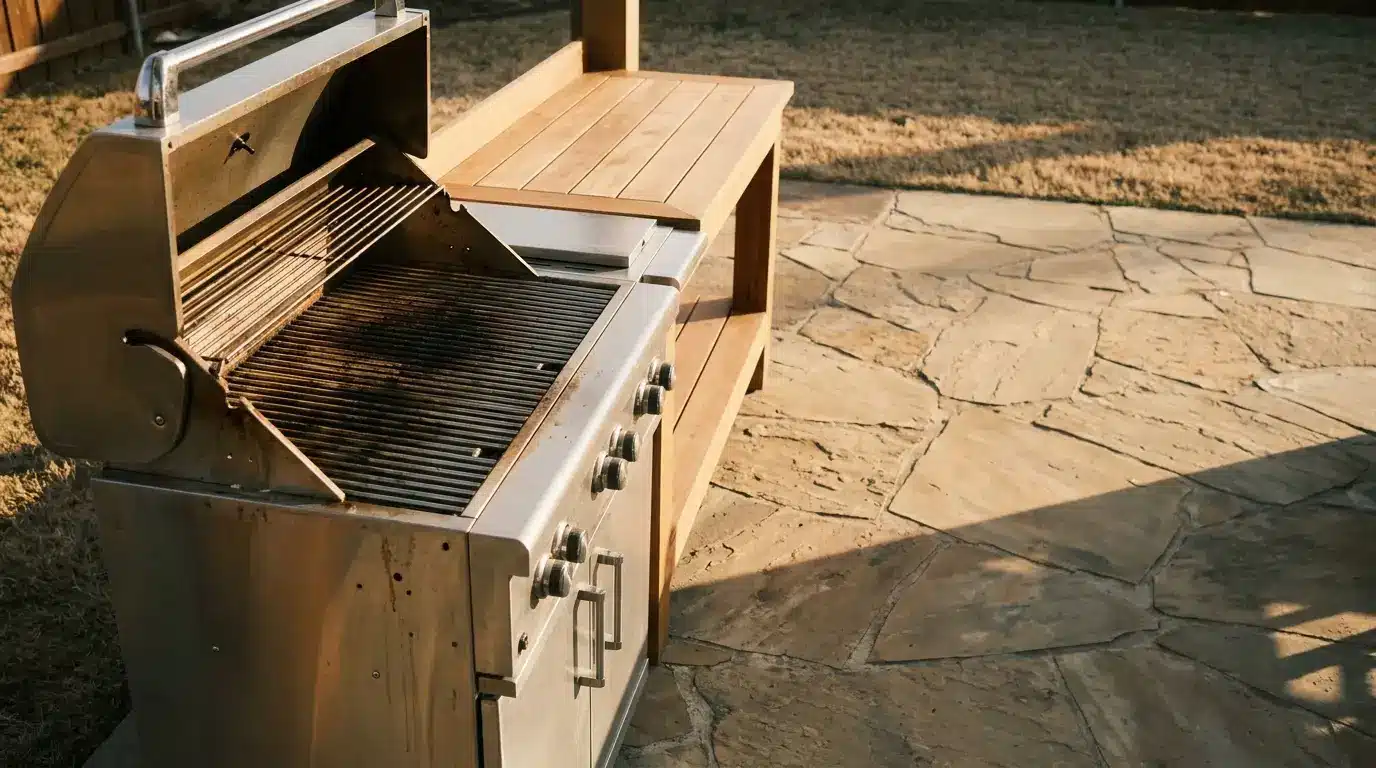
Outdoor kitchens, grills, patios, and cooking stations can attract pests just as readily as indoor food areas. Barbecue sauces, marinades, grease, meat scraps, spilled beverages, and discarded food can remain around grills and preparation surfaces after outdoor meals. Flies may be drawn to exposed waste, while ants and rodents can investigate food residue around patios, storage areas, and trash containers.
After cooking, food should be covered or brought indoors rather than left outside for extended periods. Grills and preparation surfaces should be cleaned according to the equipment manufacturer’s instructions, with particular attention to accumulated grease and food particles. Tables and counters should also be wiped down after meals.
Outdoor trash deserves special care because odors can attract pests from a wider area. Containers should have secure lids, and spilled garbage around the container should be cleaned promptly. Food scraps should not be left on the ground near a cooking area.
Pet food and birdseed can create similar problems outdoors. If these materials are kept near patios or kitchens, they should be stored in sealed containers rather than bags that rodents can chew through. Reducing accessible food around the entire property can make the area less attractive to persistent scavengers.
A Consistent Cleaning Routine Makes Food Less Accessible
Pest prevention works best when small cleaning tasks become ordinary household habits rather than occasional deep-cleaning projects. A practical routine can focus on the places where food is prepared, stored, eaten, and discarded.
- Wipe food-preparation surfaces after cooking and clean spills as soon as possible.
- Sweep or vacuum beneath appliances, tables, cabinets, and other areas where crumbs collect.
- Store dry foods in tightly sealed containers and rotate older pantry products forward.
- Empty indoor food waste regularly and keep trash containers securely closed.
- Clean outdoor grills and cooking surfaces after use, then remove leftover food and waste.
- Check pantry packages and stored pet food periodically for damage or pest activity.
The goal is to remove dependable food sources, not to create an unrealistic standard of perfect cleanliness. Pests are opportunistic, so reducing repeated access to food can make an area considerably less favorable for continued activity.
Professional Attention for Recurring Food-Area Pests
Good sanitation can reduce opportunities for pests, but it cannot always explain or eliminate recurring activity. Ant trails may indicate an entry point or nesting area elsewhere. Cockroaches can hide in cracks, cabinets, wall voids, and equipment spaces. Rodents may enter through openings that are difficult to identify from inside the kitchen. Pantry pests can also remain unnoticed until infested products are discovered.
When sightings continue despite careful food storage and cleaning, homeowners should look beyond visible crumbs and consider possible entry points, moisture sources, harborage areas, and hidden food supplies. Identifying the source is particularly important because repeatedly removing visible insects does not necessarily address an underlying infestation.
A professional inspection can help determine what type of pest is present and which conditions are contributing to the problem. Recommendations may involve sanitation changes, exclusion work, monitoring, or targeted treatment, depending on the pest and the location. Recurring activity around kitchens, pantries, dining spaces, or outdoor cooking areas deserves attention rather than being treated as an isolated sighting.
Final Thoughts for a Less Pest-Friendly Home
Food areas will always contain resources that pests find useful, but homeowners can make those resources harder to access. Sealed containers protect pantry goods, regular cleaning removes crumbs and spills, and careful trash management limits odors and food waste. Cleaning beneath appliances and rotating stored products can address less obvious sources that otherwise remain available for long periods.
The most effective approach is consistent rather than complicated. By paying attention to kitchens, pantries, dining areas, and outdoor cooking spaces as connected food sources, Marietta homeowners can reduce the conditions that encourage pest activity and identify recurring problems sooner.