Food is often the center of family memories. A favorite soup, a holiday dessert, or a weekly Sunday dinner can mean much more than just a meal. When you gather those recipes and the photos that go with them into one place, you turn ordinary moments into something lasting.
A photo book is a simple, beautiful way to preserve those stories. It lets you combine recipes, family traditions, handwritten notes, and candid meal photos in one keepsake that feels personal and meaningful. If you’ve ever wanted to save your family’s food history before it gets lost in scattered notebooks and phone albums, this is the perfect project to start.
Why a Recipe Photo Book Is Worth Making
A recipe photo book does more than store instructions. It captures the feeling behind the food – who made it, when it was served, and why it mattered. That extra context is what turns a recipe collection into a family archive.
It can also become a shared object, something people actually want to flip through. Unlike a folder of digital photos or loose recipe cards in a drawer, a printed book invites conversation. It brings back stories about grandparents, holidays, and the meals that shaped your family.
Start by Choosing the Right Recipes
Before you think about layouts or design, choose the recipes that belong in the book. The best selections are usually the ones with emotional value, not just the ones that taste good. Think about dishes tied to birthdays, holidays, Sunday dinners, or special family routines.
You do not need to include every recipe you’ve ever made. In fact, a smaller, focused collection often feels more personal. Try gathering a mix of family favorites, signature dishes from different relatives, and recipes that have been passed down through generations.
Look for the Stories Behind the Food
A recipe becomes more memorable when you know where it came from. Was it written on a card in your grandmother’s handwriting? Did your uncle always make it for reunions? Did everyone request it every Thanksgiving?
These details matter because they give the book its heart. Even a short note can make a page feel alive.
Gather Photos That Tell the Full Story
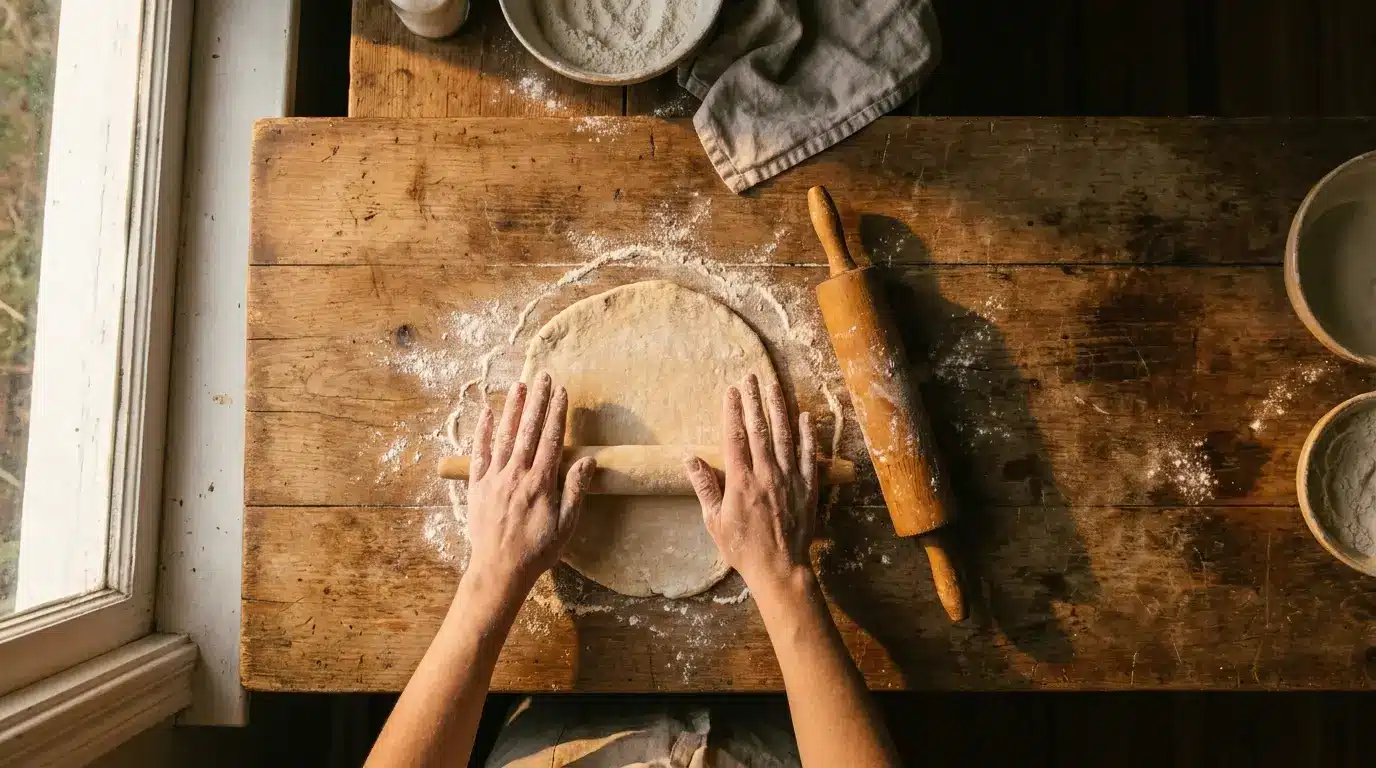
The photos you choose should show more than finished dishes on a plate. A great recipe photo book includes images that feel human and real. That might mean a photo of someone stirring batter, a crowded holiday table, or a child helping roll dough.
If you already have older family photos, look through them for meal-related moments. Phone snapshots work too, as long as they help explain the story. The goal is not perfect food photography – it is memory preservation.
If you need inspiration for formatting and presentation, browsing a photo book example can help you think about how to pair images with text in a polished way.
Mix Food Shots With Family Moments
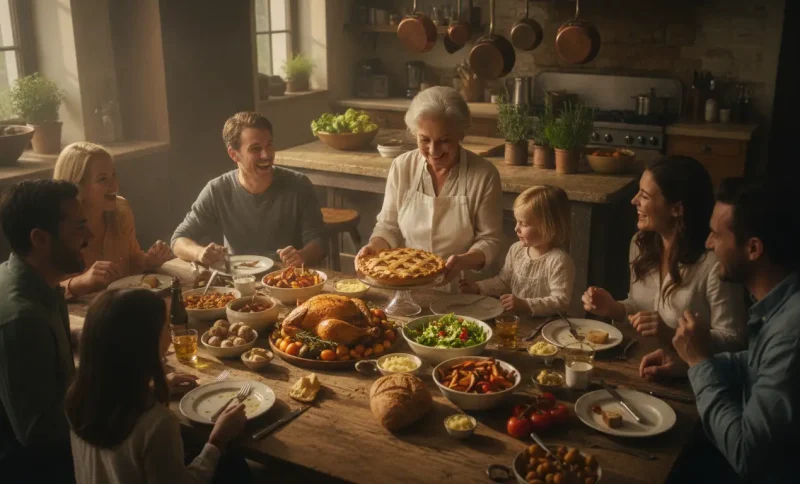
A page can include a close-up of the recipe itself, a photo of the finished meal, and a candid family picture from the same event. That combination gives readers context and makes the layout more interesting.
If you do not have every type of image, do not worry. A well-written caption can fill in the gaps and make a simple photo feel more meaningful.
Organize the Book in a Way That Feels Natural
The structure of the book should make it easy to follow, but it should also reflect your family’s style. Some people prefer organizing recipes by season, while others like to group them by occasion, relative, or type of dish.
For example, you might create sections for:
- Breakfasts and weekend brunch
- Holiday meals
- Desserts and baked goods
- Recipes from grandparents
- Everyday family dinners
There is no single right way to do it. What matters is creating a flow that feels intuitive and helps the reader move through family memories with ease.
Add Captions and Personal Notes
Captions are one of the most powerful parts of the book. A few lines can explain why a dish matters, who usually made it, or what family tradition it belongs to.
You can also include scanned versions of recipe cards, handwritten notes, or short memories from different family members. Those small touches help the book feel personal rather than generic.
Design the Pages for Readability
When people open the book, they should be able to enjoy both the photos and the recipes without effort. That means keeping the layout clear and uncluttered. Leave enough space around text, and make sure the recipe instructions are easy to read.
A clean design works best for most recipe books. Use consistent fonts, simple page backgrounds, and a repeating style for headings and ingredient lists. This brings the whole collection together visually, even if the photos come from different time periods.
Keep Text and Images Balanced
If a page has too much text, it can start to feel crowded. If it has too many photos, the recipe itself can get lost. The best pages usually strike a balance between the two, with the recipe as the anchor and the images adding warmth.
Think of each spread as a small story. One side can hold the recipe and note, while the other side shows the meal in context.
Decide Whether to Include Original Recipe Cards
One question many people ask is whether to retype the recipes or keep them in their original form. The answer is often both. Typed recipes are easier to read, but scanned cards or photographed handwritten notes add authenticity and family charm.
If the handwriting is hard to read, you can place the original card alongside a cleaned-up typed version. That way, you preserve the look of the original without sacrificing usability.
This is especially useful when the book is meant to be shared with younger relatives who may want to cook the recipes themselves.
Make It a Family Project
Creating a recipe photo book can be more meaningful when other relatives contribute. Ask family members to send their favorite food photos, stories about a dish, or memories tied to a special meal. Someone may remember details you forgot, like which cousin always asked for seconds or what song played during holiday prep.
Involving others also helps you create a richer, more accurate family history. The book becomes a shared record instead of just one person’s version of the story.
You might even discover new recipes or forgotten traditions during the process. That makes the project feel less like an archive and more like a conversation across generations.
Print and Share the Book With Intention
Once the layout is complete, think about how the book will be used. Will it sit on a coffee table, be gifted to relatives, or become a keepsake for future generations? Your answer can guide choices like cover style, paper quality, and size.
A sturdy printed book works especially well for recipes because it feels durable and permanent.
It is something people can revisit during the holidays or hand down over time, much like the recipes themselves.
Conclusion: Turn Family Meals Into Something Lasting
A photo book of your favorite recipes and family meals is more than a creative project. It is a way to protect memories, honor the people behind the food, and pass down traditions in a form that will last. The process does not have to be perfect – it just has to be personal.
Start with a handful of meaningful recipes, add the photos that tell their story, and build the pages one memory at a time. When you’re finished, you will have something far more valuable than a cookbook. You will have a family keepsake that can be shared, loved, and revisited for years to come.